
Reviewed · NUSA PENIDA TOURS
3-Day Freediving Level 1 Course
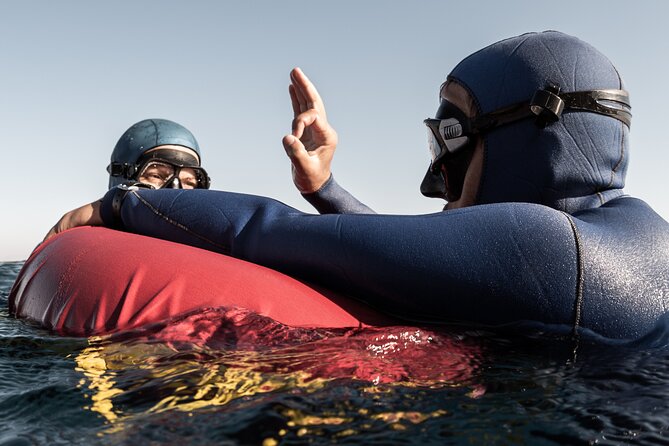
Nusa Penida is a fine place to learn freediving, but the real appeal is the careful progression from classroom theory to pool work and then open ocean sessions. In three days, most students reach 15 to 20 meters and hold their breath for more than two minutes, though those are course goals, not promises.
I like the tiny class size, capped at four students per instructor, and I like that you do not need to bring specialist equipment. The main consideration is the long daily schedule, from 8:30 a.m. to 4:30 p.m., with lunch not included and no private transport or accommodation provided.
Key points to know before booking
- Three full days of training: You receive land theory, two confined-water sessions, and three open-ocean sessions.
- Small groups: A maximum of four students per instructor allows close attention and a measured pace.
- Suitable for beginners: No previous freediving or water-sport experience is required, but you must be able to swim.
- Equipment is supplied: You do not need to buy fins, masks, or other freediving essentials for the course.
- A clear end goal: Most students reach 15 to 20 meters and a breath hold of more than two minutes.
- Useful take-home extras: The $450 price includes certification, digital learning materials, and underwater photos.
Why Nusa Penida works for a first freediving course
Freediving can look intimidating from shore. You leave the surface on one breath, descend quietly, and must stay calm while your body responds to pressure. This course treats that process as a skill to learn, not a stunt to perform.
The three-day format matters. A rushed half-day introduction might show you the basics, but it gives you little time to settle your breathing, improve your body position, or understand how pressure feels below the surface. Here, you have several sessions to repeat the same skills and build confidence gradually.
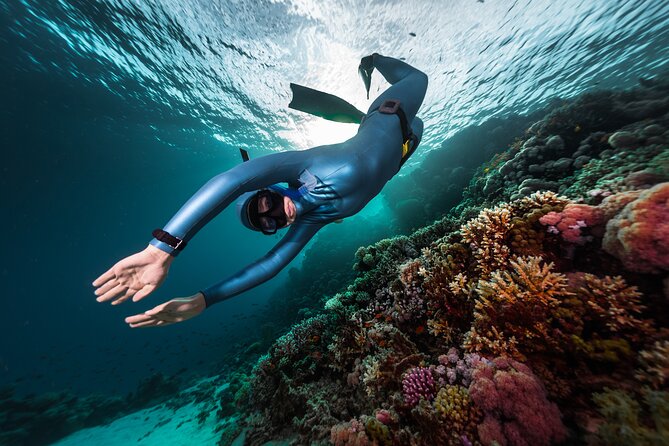
The setting also helps. Nusa Penida gives the course an ocean focus rather than keeping everything in a swimming pool. You will work first in controlled water, then take those techniques into the open sea, where coral and tropical fish provide a more memorable backdrop.
That said, the ocean is not a guaranteed swimming pool. Conditions can affect comfort and progress, and the stated depth of 15 to 20 meters is an indication of what most students achieve, not a fixed result for every person. Your instructor should be guiding your pace, not pushing you toward a number.
A few more Nusa Penida half-days to weigh up
- Nusa Penida & Gili Trawangan 3Days 2Night (Snorkeling)
★ 4.5 · 58 reviews - Best of Bali 3-Day Packaged Tour
★ 5.0 · 503 reviews - All inclusive Private 3 day tours package : Bali highlights
★ 5.0 · 348 reviews
Three days, from breathing theory to open water
Each day runs from 8:30 a.m. until 4:30 p.m., including a lunch break. That is a substantial block of time, so plan this as the main activity of your day rather than something to fit between sightseeing plans.
The course combines land-based theory with practical training. You learn why breath control matters, how to prepare for a descent, and how to stay calm as you move away from the surface. The classroom portion is not filler. It gives you the basic safety framework needed before you begin spending more time underwater.
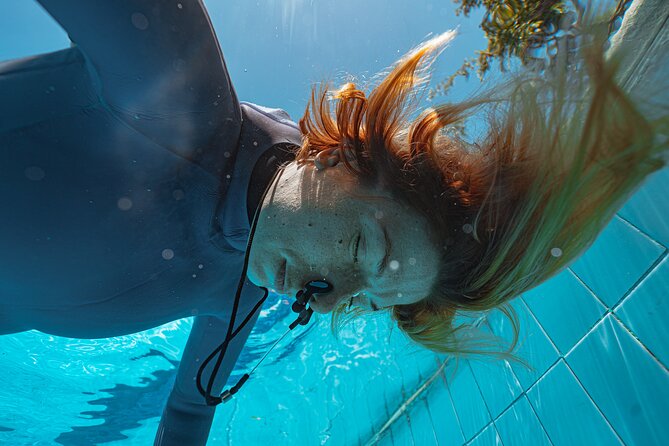
The practical program includes two confined-water sessions and three open-water sessions. Confined water gives you a more controlled place to work on technique. You can focus on breathing, body position, equalization, and relaxed movement without the full demands of the sea.
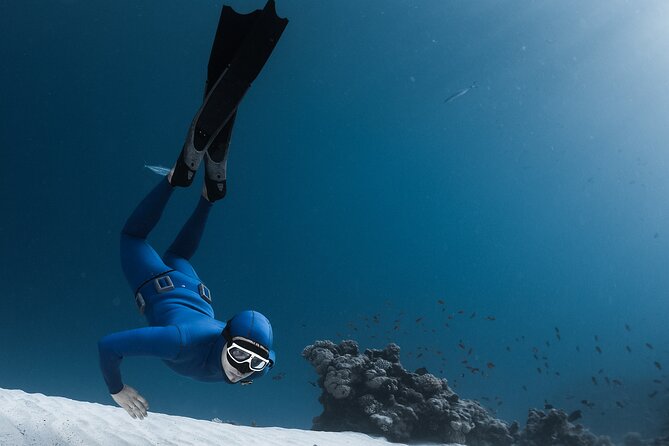
The open-ocean sessions then let you apply those skills in a natural setting. This is where the course becomes more than a pool lesson. You get to see coral and tropical fish while practicing your descent, and underwater photographs are included so you can take home a record of the experience.
The exact order of every exercise is not specified, so you should expect the instructor to adjust the pace to the group. That is a positive feature of a four-person maximum. If you need extra time with one skill, there is a better chance of getting direct correction than in a large class.
What the small class size changes
A maximum of four students per instructor is one of the strongest practical features here. Freediving requires attention to small details. A slight change in posture, fin movement, or breathing pattern can affect how relaxed and efficient you feel.
In a large group, you may spend more time waiting and less time receiving useful feedback. With four or fewer people, your instructor can watch each person closely and respond to individual concerns. That is especially valuable if you are nervous about staying underwater without breathing.
The instructors named in the course feedback include Sabli, Artem, Roberto, Seva, Hamza, Gaston, Gas, and Chiara. Their reported teaching styles vary, but the consistent themes are patience, clear explanations, encouragement, and close attention to safety. Artem is described as considerate while still helping students move toward a challenge. Roberto is noted for helping a nervous beginner become comfortable gradually. Seva is praised for combining humor with careful instruction.
You should not book based on a promise of a particular instructor unless the school confirms that person for your dates. Still, the range of positive comments about different staff members suggests that the experience is not dependent on just one teacher.
What you are likely to learn by the final afternoon
The course is designed to give you a foundation, not make you an expert in three days. By the end, you should understand the basic principles of safe freediving and have practical experience in both confined and open water.
The headline targets are a breath hold of more than two minutes and a descent to 15 to 20 meters. Those numbers are impressive for a beginner, but they should be viewed as possible outcomes for most students rather than a test you must pass.
I would pay more attention to how relaxed and controlled you feel than to the depth number alone. The point of a Level 1 course is to help you build a safe relationship with the water. A shorter descent completed calmly can be more useful than a deeper one reached while tense.
The course welcomes people with no previous experience in water activities. You do need to be able to swim, and a moderate level of physical fitness is recommended. That makes this a good starting point for a curious beginner, but not a passive sightseeing activity. You will spend long days learning, practicing, and repeating skills.
More Nusa Penida island days:
- ️Nusa Penida by Private Boat – Snorkeling 4 spots, Swim with Mantas + Land Tour
★ 5.0 · 6,424 reviews - Nusa Penida All-Inclusive Day Trip
★ 5.0 · 3,489 reviews - Nusa Penida day trip: boat, 4 snorkeling, Manta rays & Land tour
★ 5.0 · 2,033 reviews - Bali Nusa Penida West Private All-Inclusive Tour
★ 5.0 · 1,277 reviews
Equipment, photos, and what the $450 covers
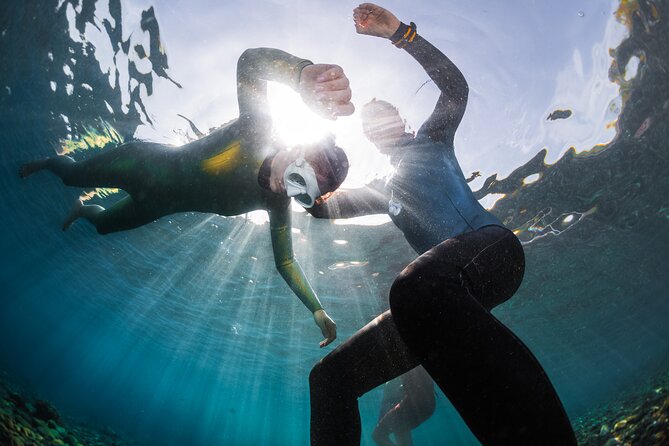
At $450 per person, this is not a cheap casual excursion. It is a three-day instructional course with equipment, certification, digital learning materials, and underwater photos included.
The supplied equipment is important because you do not need to purchase specialist gear before arriving. That reduces the cost and guesswork for a first course. You can try freediving with the proper essentials, then decide later if you want to invest in your own equipment.
Certification adds value if you plan to continue training. It gives you a formal record of completing the Level 1 course, while the digital materials let you revisit the theory after you leave Nusa Penida.
The underwater photos are a pleasant extra rather than the main reason to book. You will be able to take home images of yourself among coral and tropical fish, which is unusual for a structured beginner course and helps capture the quiet, weightless feel of the activity.
The price does not include lunch, accommodation, or private transportation. You must get yourself to Freedive Nusa at Jl. Ped-Buyuk No. Desa, Ped, Nusa Penida, Bali 80771, and the activity finishes back at that meeting point. If you are staying elsewhere on the island, allow enough time to reach class each morning. The course itself does not arrange your private transfers.
The real value of three days in the water
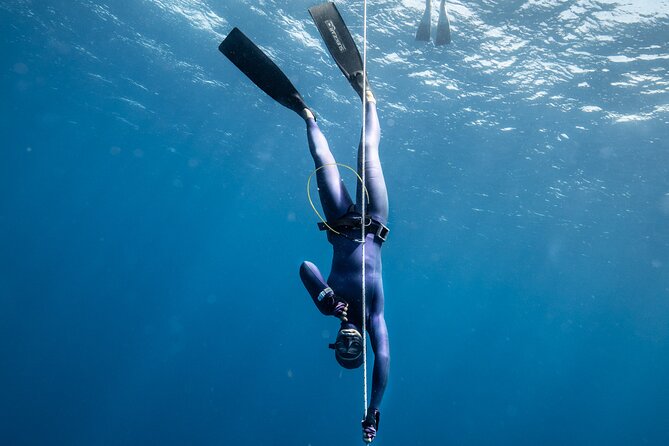
The best argument for the price is repetition. You are not simply shown how to hold your breath and sent home. The mix of theory, two confined-water sessions, and three open-ocean sessions gives you time to notice what works for your body.
That structure can also prevent a common beginner mistake: trying to force progress. Breath holding can feel like a contest, but good training depends on staying relaxed and recognizing your limits. The school’s small groups and measured approach are designed to help you progress without turning the course into a race.
I also like the fact that the course welcomes people who are new to water activities. Many beginner programs quietly assume that you already understand masks, fins, pressure, or breath control. This one presents itself as an introduction for anyone who can swim.
Still, you should be honest about your comfort level. If you dislike being underwater, feel uneasy in open water, or want only a short recreational outing, three full days may feel demanding. The course is rewarding because it asks for time and concentration.
Who will get the most from this course
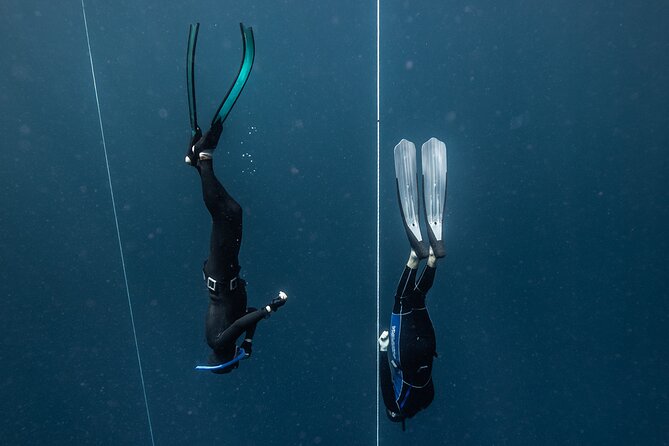
This course suits you best if you want a real introduction rather than a quick photo stop. It is a good match for a swimmer who is curious about breath work, underwater movement, and structured training.
It also suits solo visitors and couples. The four-person limit keeps the group small, and the instructors are used to supporting students with different confidence levels. One person may arrive excited, while another may need more time to become comfortable. The course is built to handle that range better than a large group outing.
You may also find it useful if you plan to continue freediving after Bali. The certification and digital materials give you a starting point, and one student specifically planned to continue practicing in Korea after the course. Another completed both Wave 1 and Wave 2 training with the school and later joined a Komodo trip, showing that the Level 1 program can lead naturally to further instruction.
This is less suitable if your Bali schedule is tight. The daily hours leave little room for other major plans, and missing a session could reduce the value of the progressive format.
Practical details that affect your decision
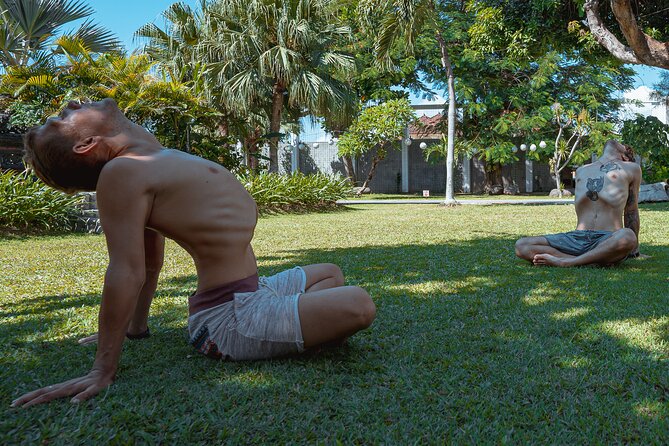
The activity is available daily from 8:30 a.m. to 4:30 p.m. The mobile ticket makes it simple to keep the booking on your phone, and confirmation is provided at the time of booking.
You should arrive ready for a physically active day and bring money or arrangements for lunch, since lunch is not included. You will also need to organize accommodation and transportation independently.
The course offers free cancellation if you cancel at least 24 hours before the start time. Cancellations or changes made less than 24 hours before the start are not accepted for a refund, with cut-off times based on local time.
The meeting point is both the start and finish. This keeps the day straightforward, but it also means you should not assume pickup from your hotel. Check your route to Ped before booking, especially if your accommodation is in another part of Nusa Penida.
My call: a strong choice for serious beginners
I would recommend this course if you want to learn freediving properly and can give it three full days. The small class size, supplied equipment, patient instruction, formal certification, and balance of pool and ocean practice make the $450 price easier to justify.
I especially like the calm progression. You start with understanding, move into controlled practice, and then work in the ocean. The underwater photos and tropical setting add pleasure, but the real value is having enough time to build confidence rather than being hurried toward a single impressive number.
Book it if you can swim, have moderate fitness, and want a structured challenge. Skip it if you only want a brief ocean activity or need a tightly packed itinerary. For a first serious step into freediving, Freedive Nusa offers a clear, supportive introduction on Nusa Penida.
FAQ
Is previous freediving experience required?
No. The course is designed for beginners, including people with no previous water-sport experience. You must be able to swim.
How long is the course each day?
The course runs for three days, from 8:30 a.m. to 4:30 p.m., including a lunch break.
How deep can I expect to go?
Most students can reach about 15 to 20 meters by the end of the course. This is a typical result, not a guaranteed depth for every student.
How long can I expect to hold my breath?
Most students can hold their breath for more than two minutes at the end of the three days. Your result will depend on your comfort, technique, and progress.
How many students are in each group?
The course has a maximum of four students per instructor.
Is equipment included?
Yes. The use of freediving equipment is included in the price.
Are certification and learning materials included?
Yes. The course includes freediving certification and digital learning materials.
Are lunch, accommodation, and transportation included?
No. Lunch, accommodation, and private transportation are not included. The course starts and ends at Freedive Nusa, Jl. Ped-Buyuk No. Desa, Ped, Nusa Penida, Bali 80771, Indonesia.
Just added around Nusa Penida
- Bali : Nusa Penida with Lunch ,car, driver★ 5.0 · 7 reviews
- Bali 2 Days Package Nusa Penida and Ubud Tour with All Inclusive★ 5.0 · 13 reviews
- Bali 2 Days and 1 Nights of Nusa Penida and Lembongan Tour★ 5.0 · 13 reviews
- All Inclusive Nusa Penida Tour Package★ 5.0 · 10 reviews
- All Inclusive Nusa Penida Private Tour★ 5.0 · 15 reviews
- Snorkeling 4 Spots, Manta Rays, Tembeling Pool & Kelingking Beach★ 4.5 · 15 reviews
- Bali: Nusa Lembongan Snorkeling-Island Tour Daytrip-All Inclusive★ 5.0 · 3 reviews
- Nusa Penida West trip with snorkeling at 3 spot with Free Meals★ 5.0 · 15 reviews
Nusa Penida Tours, compared.
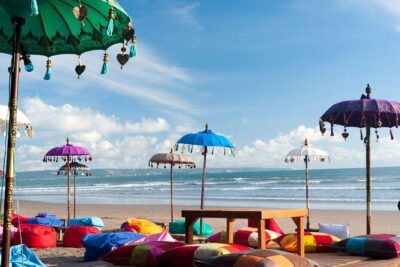
️Nusa Penida by Private Boat – Snorkeling 4 spots, Swim with Mantas + Land Tour
Read our review →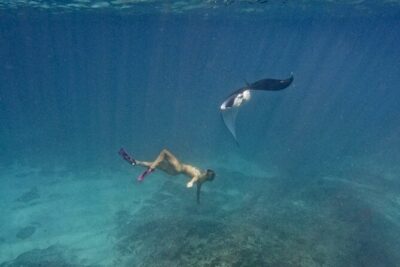
Nusa Penida day trip: boat, 4 snorkeling, Manta rays & Land tour
Read our review →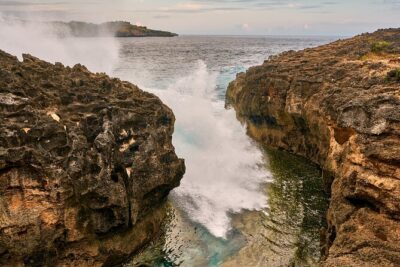
Bali Nusa Penida West Private All-Inclusive Tour
Read our review →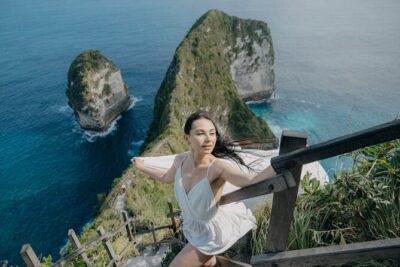
Nusa Penida Snorkeling Adventure (Private & All-Inclusive)
Read our review →
Open Water Course in Nusa Lembongan – Get Certified on remote island (next Bali)
Read our review →
️ Nusa Penida Instagram Tour: The Most Famous Spots (Private All-Inclusive)
Read our review →Browse the lists this tour appears in