
Reviewed · SEMINYAK TOURS
Balinese Cooking Class in Seminyak
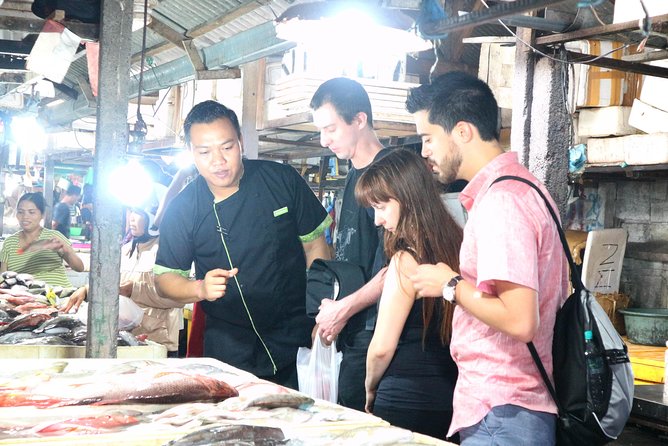
The most memorable part of this Balinese cooking class may happen before you reach the stove. On the optional morning visit, you go with the chef to Jimbaran fish market and nearby produce stalls, learn how to judge fresh fish, and help choose ingredients for the meal.
I like the direct, hands-on format, where you chop, mix, steam, and cook rather than simply watch. I also like the calm setting at The Amala, the included Seminyak transfer, and the small maximum group of 10. The main thing to consider is that some preparation can involve a fair amount of chopping, and one class had food served cooler than expected.
Key points at a glance
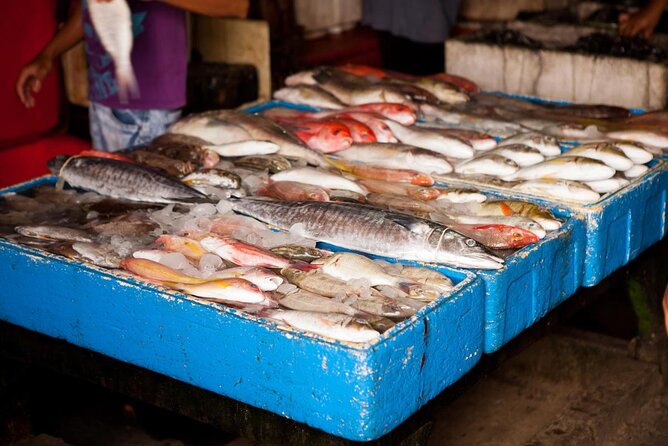
- Jimbaran market visit: Add a morning trip with the chef to buy fish, herbs, spices, and produce before cooking.
- Three menus: Choose between two meat and seafood menus or a vegetarian menu, with one menu shared by the whole group.
- Chef-led instruction: Chefs including Putu, Manik, Evi, and Christ have helped participants understand the ingredients and cooking methods.
- A meal you prepare yourself: The class ends with lunch or dinner made during the session, not a separate restaurant meal.
- Useful keepsakes: You receive a certificate and keep the cooking apron.
- Seminyak convenience: Round-trip private transfer within the Seminyak area is included, with a morning or afternoon start.
Cooking Balinese food at The Amala in Seminyak
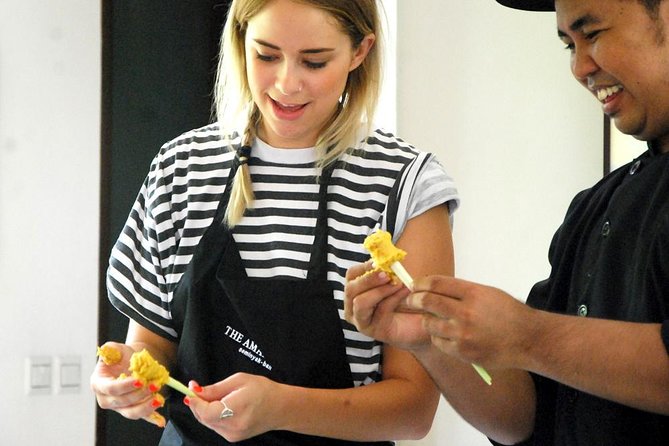
This is a practical introduction to Balinese home-style cooking, held at The Amala Boutique Retreat on Kunti I in Seminyak. The class lasts about three hours and is limited to a maximum of 10 people, though smaller groups are possible. One participant even attended alone and received a very personal session.
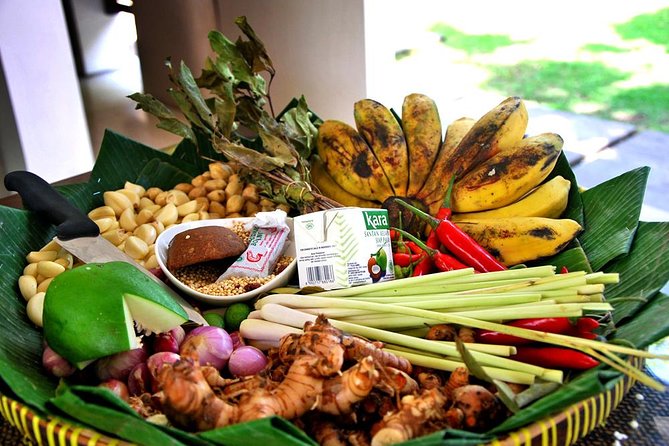
You will work through a three-course menu with a local chef. The point is not fancy restaurant technique. It is learning how Balinese dishes come together through fresh ingredients, spice mixtures, banana leaves, coconut, palm sugar, seafood, and herbs.
The chef first introduces the ingredients and equipment. Then you help prepare the food under supervision. Several participants found the explanations clear and easy to follow, especially when the chef explained substitutes for ingredients that can be difficult to find outside Bali.
The tone is friendly rather than formal. Chef Putu is named often in the experience feedback, along with Manik, Evi, and Christ. The exact chef may depend on the session, but you can expect a local instructor who guides the group through the recipes and answers questions as you cook.
More Balinese cooking classes in Seminyak:
- Balinese Cooking Class & Tanah Lot Temple Visit – Private & All-Inclusive
★ 5.0 · 24 reviews - Balinese Cooking Class at The Santai Umalas Kerobokan
★ 5.0 · 20 reviews - PRIVATE Authentic Balinese Cooking Class in Ubud at Putu’s Home
★ 5.0 · 644 reviews
The optional 9:30 a.m. Jimbaran market visit
The market add-on is available with the morning class only. It begins at about 9:30 a.m., before the cooking session starts at 11 a.m. You meet the chef and visit Jimbaran fresh fish market, where you can help purchase ingredients for the class.
This is the part I would add if your budget and schedule allow. A cooking class teaches technique, but the market visit gives you a better sense of how the meal begins. You see the fish and produce before they are cleaned, chopped, seasoned, and plated.
The chef can point out how to choose fresh fish. One useful tip shared during a class was to look at the redness of a red snapper’s eyes. You also get to see herbs and produce that may look unfamiliar if you usually shop in Australia, North America, or Europe.
Some sessions include a nearby vegetable market as well as the fish market. That makes the morning more than a quick ingredient run. It connects the finished meal to the local food shops and gives you a chance to ask about spices, fish, and produce in their everyday setting.
There are two practical catches. The market option requires at least two people on a booking. A solo booking can still arrange it with an extra charge of Rp100,000 net. Also, the market visit is only offered with the morning session, so choose the 11 a.m. class if this is important to you.
Choosing between the three menus
You do not select separate dishes as an individual. The whole group prepares the same menu, so check the options before booking if you have strong food preferences.
Menu 1: lawar, steamed fish, and coconut pancake
Menu 1 begins with lawar salad, made with green beans, fresh coconut, and chicken. The main course is tum ikan, fish steamed in a banana leaf. Dessert is dadar gulung, a green-tinted coconut pancake filled with palm sugar and grated coconut.
This is a good choice if you want a clear taste of several Balinese staples in one sitting. The banana-leaf steaming technique is especially useful to watch because it shows how flavor and presentation can come from simple local materials.
More cooking classes in Seminyak:
- Nia Bali Seminyak Cooking Class
★ 5.0 · 127 reviews - Cooking class in the comfort of your own personal villa. Yes, I’ll come to you!
★ 5.0 · 80 reviews - Traditional Tempeh Making & Cooking Balinese Cuisine
★ 5.0 · 18 reviews - Bali Cooking Class Experience with All Inclusive
★ 5.0 · 12 reviews
Menu 2: papaya soup, chicken satay, and fried banana
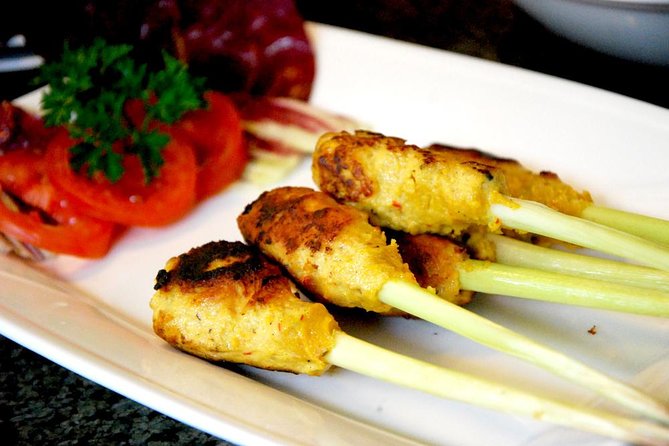
Menu 2 includes jukut gedang mekuah, a young papaya soup with seafood. You then prepare sate lilit ayam, chicken satay wrapped around a lemongrass stick and served with steamed rice. The dessert is godoh biu, Balinese fried banana.
This menu has a wider mix of textures and cooking methods. You work with soup, grilled or cooked satay, rice, and a sweet fried dessert. It is also a filling option. One group specifically found there was no shortage of food after preparing Menu 2.
Vegetarian menu: gado-gado, pepes tahu, and black rice pudding
The vegetarian menu replaces meat and fish with gado-gado, a vegetable salad with peanut dressing, and pepes tahu, bean curd steamed in a banana leaf. Dessert is bubur injin, a Balinese black rice pudding.
This is not simply a meat menu with the main ingredient removed. It gives you three distinct vegetarian dishes and still covers key Balinese methods, including steaming in banana leaf and making a rich peanut dressing.
The menu choice matters because the same menu is prepared by everyone in the class. If your group includes vegetarians and meat eaters, confirm the arrangement before booking.
What the three-hour class is really like
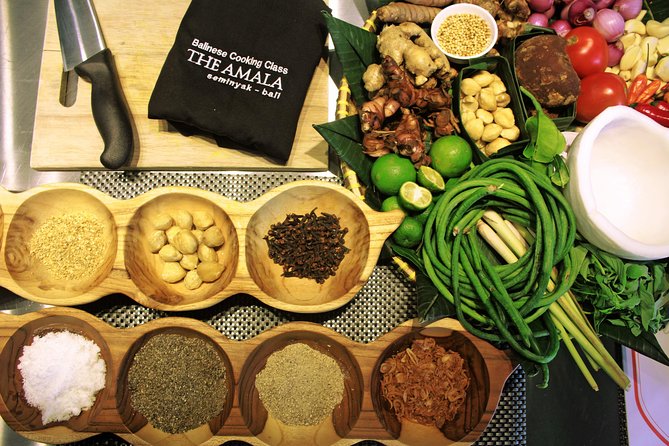
The morning session begins with the market visit at 9:30 a.m. if you add it. You return to The Amala for the 11 a.m. introduction, when the chef explains the ingredients and cooking tools.
At about 11:30 a.m., preparation begins. You can expect to cut ingredients, help build the spice base, prepare the dishes, and follow the chef’s instructions. The class is participatory, but it is not a private cooking lesson for every individual dish. You will take turns with different parts of the meal while the chef and staff keep the work moving.
That distinction is worth knowing. If you want to spend every minute actively cooking, you might find that some of the class involves watching, waiting, or chopping ingredients. One participant felt the session mainly involved chopping, while others appreciated the chance to take part without the pressure of a demanding professional kitchen.
The afternoon follows the same pattern, beginning at 4 p.m. with the introduction and starting food preparation around 4:30 p.m. The meal is served at about 6 p.m. The timing works well if you prefer a later start or want to keep your morning free, but the afternoon option does not include the Jimbaran market trip.
At the end, you sit down and eat what you have prepared. This is one of the strongest parts of the format. You are not handed a sample plate while the kitchen does the real work. Your lunch or dinner is the result of the steps you just followed.
Why the setting matters
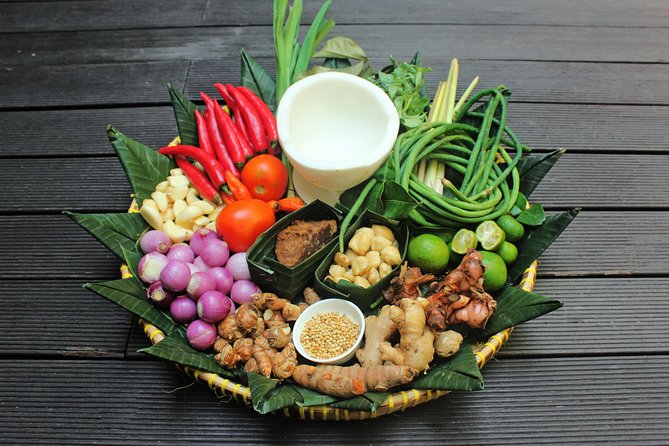
The Amala provides a quieter, polished setting than a plain demonstration kitchen. The class takes place at a boutique retreat, and the outdoor dining area is prepared for the final meal. Several participants singled out the beautiful venue and calm atmosphere.
That setting adds comfort, but it can also make the experience feel less like a visit to an ordinary Balinese household. The market trip helps balance that out. It supplies the everyday food context that a refined venue cannot provide on its own.
Staff support is another plus. Chef and assistants help people feel at ease, explain the steps, and prepare the dining area after the cooking is complete. The atmosphere suits beginners, couples, friends, and families with older children.
The minimum age is 12. The minimum booking is two people, though the class may have fewer participants than its 10-person limit. If you want a very small group, ask about the expected size before you commit.
Food quality and the hands-on balance
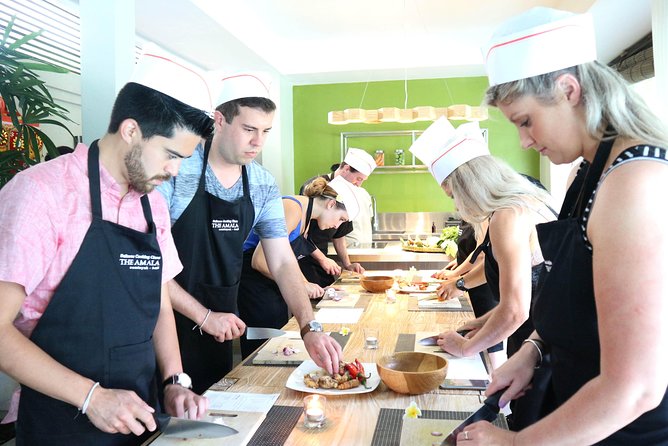
The finished food is the main reward, and the menu provides a substantial meal. Reports from the class repeatedly describe the dishes as delicious, with particular praise for the chicken satay, seafood dishes, desserts, and the vegetarian food.
The chef also explains how to make a Balinese spice base and how to adjust the recipes for ingredients available at home. That makes this more useful than a one-off meal. You leave with recipes, practical tips, a certificate, and the apron you wore during class.
Still, keep your expectations realistic. This is a short class, not a full culinary course. You will learn the structure of several dishes, but you will not master every Balinese spice blend or technique in three hours.
The class may also move quickly near the end. One person found the food had cooled by the time the group sat down, possibly because the staff were trying to clear the cooking area and prepare the final dining setup. If eating the food piping hot is your top priority, mention it to the chef or staff when the meal is ready.
Pickup, timing, and the price
The price is $66.67 per person. For a roughly three-hour class with a full meal, private round-trip transfer within Seminyak, instruction, an apron, and a certificate, I consider that a reasonable mid-range price for a hotel-based cooking experience.
The value improves if you use the included transfer. You meet at The Amala Boutique Retreat, at Jl. Kunti I No. 108, and the activity ends back there, but round-trip private transfer within the Seminyak area is included. That removes one small transport problem and makes the outing easier to fit into a busy Bali day.
Do not assume the included transfer covers every part of southern Bali. A participant staying in Nusa Dua reported an additional Rp250,000 charge for transport. The stated inclusion is for the Seminyak area, so confirm any pickup outside that zone before booking.
The market visit costs extra in certain cases. It requires at least two people per booking, and a solo participant pays an added Rp100,000 net. For two or more people booking the market option, check the final price and inclusions at the time of reservation.
Free cancellation is available if you cancel at least 24 hours before the local start time. Changes or cancellations inside that window are not accepted for a refund. Poor weather may lead to a new date or a full refund.
Who should book this cooking class?
I would choose this class if you want a relaxed cultural activity that ends with a proper meal. It suits you especially well if you enjoy food but do not have much cooking experience. The chef-led format gives you enough guidance to participate without requiring advanced knife skills or previous knowledge of Balinese cuisine.
It is also a good choice for anyone who wants recipes to try at home. The focus on spice preparation, fresh produce, banana-leaf steaming, peanut dressing, coconut, and palm sugar gives you more than a generic Southeast Asian cooking lesson.
The morning market option makes the class a stronger choice for food-focused visitors. You learn how ingredients are selected before you cook them, and the chef’s tips about fish and produce add real local detail.
I would think twice if you want a long, intensive workshop with every person cooking every dish from start to finish. The three-hour format is short, and some participants may spend part of it chopping or watching the chef handle a step.
It is also less suitable if you are staying well outside Seminyak and do not want to pay for a transfer supplement. In that case, check the transport cost first, since it can change the value of the experience.
Should you book the Seminyak Balinese cooking class?
Yes, I would recommend it for most food-loving visitors staying in or near Seminyak. The strongest combination is the morning class with the Jimbaran market visit, followed by Menu 1 or Menu 2 and lunch at The Amala.
Choose the vegetarian menu if you want a complete meat-free meal. Choose Menu 2 if you want the broadest mix of soup, satay, rice, and dessert. If you prefer a quieter afternoon and do not care about the market, the 4 p.m. option gives you the same core cooking experience.
The class is not perfect. The market add-on and out-of-area transport can affect the final cost, and the meal may not be served as hot as you expect. But the personal instruction, handsome setting, included Seminyak transfer, generous food, useful recipes, certificate, and apron make this a worthwhile three-hour introduction to Balinese cooking.
FAQ
How long is the Balinese cooking class?
The experience lasts approximately three hours. The morning cooking session runs from about 11 a.m. to 1 p.m. after the optional market visit, while the afternoon session runs from about 4 p.m. to 6 p.m.
Is hotel pickup included?
Round-trip private transfer is included for hotels within the Seminyak area. The meeting point is The Amala Boutique Retreat on Jl. Kunti I in Seminyak. Pickup outside Seminyak may involve an extra charge.
Is the Jimbaran market visit included?
The market visit is an optional add-on available with the morning session only. It begins at about 9:30 a.m. and requires at least two people per booking. A solo booking requires an additional Rp100,000 net charge.
What food menus are available?
You can choose Menu 1, Menu 2, or the vegetarian menu. Menu 1 includes lawar salad, steamed fish in banana leaf, and dadar gulung. Menu 2 includes young papaya seafood soup, chicken satay, rice, and fried banana. The vegetarian menu includes gado-gado, steamed bean curd in banana leaf, and black rice pudding.
Can children join the class?
The minimum age is 12 years. The activity also requires a minimum booking of two people and allows a maximum of 10 participants.
What do I receive after the class?
You eat the three-course meal you prepared for lunch or dinner. You also receive a certificate from the chef and keep the cooking apron as a souvenir.
More Workshops in Seminyak
- Canggu: Surfing lesson with ISA certified instructor
★ 5.0 · 102 reviews - The funniest private 2 hour surf lesson, Canggu
★ 5.0 · 70 reviews - Kuta Seminyak Scooter Lessons
★ 5.0 · 40 reviews - Bali Seminyak Silver Class Activity and Take Your Own Creation
★ 5.0 · 37 reviews
Just added around Seminyak
- Bali Airport Transfers | Bali Airport Welcome pick up | Bali Airport Taxi★ 4.0 · 27 reviews
- Kuta Seminyak Scooter Lessons★ 5.0 · 40 reviews
- Surf lesson | Energy surfschool krui★ 5.0 · 3 reviews
- Ubud Private Tour★ 5.0 · 36 reviews
- Best of North Bali: Banyumala Waterfall, Handara Gate and Temple★ 5.0 · 4 reviews
- Zero Gravity Flotation Therapy in Canggu Bali by Solace Float★ 5.0 · 36 reviews
- Nusa Penida West trip with snorkeling at 3 spot with Free Meals★ 5.0 · 15 reviews
- West Nusa Penida Island Snorkeling Tour – From Bali Island★ 4.0 · 5 reviews
Seminyak Tours, compared.

Bali Full-Day Traditional Village Sightseeing Trip All Inclusive
Read our review →

Ubud Hot Springs and Waterfall Private Guided Tour
Read our review →
Bali Secret Waterfall Tour – Private and All-Inclusive
Read our review →

Bali Blue Lagoon Snorkeling – Lunch and Transport All Inclusive
Read our review →

Bali Blue Lagoon Snorkeling with Private Transfer & Lunch
Read our review →Browse the lists this tour appears in