
Reviewed · KUTA TOURS
Mount Ijen Crater Trekking Tour from Bali
The great prize here is Ijen’s blue fire, a rare sight best viewed in the darkness before dawn. From Bali, you cross to East Java by ferry, hike uphill for one to two hours, and reach the mountain in time to look for electric-blue flames glowing from the sulphur vents.
I like the honest local contact with sulphur miners, who carry enormous loads of yellow sulphur in bamboo baskets. I also like the small group, capped at 10 people, plus the included flashlight, gas mask, breakfast, lunch, transport, and ferry crossings. The catch is simple: this is a 23-hour overnight effort, not a relaxed day trip. The climb, late-night drive, crater conditions, and long return journey demand strong fitness.
Key points before you book
- Blue fire before sunrise: You may see Ijen’s blue flames in darkness, but weather conditions can prevent it.
- A real physical test: The roughly 3-kilometer route takes about one to two hours uphill over both steep and flatter sections.
- A long Bali to Java journey: Hotel pickup begins around 5:00 pm, with a ferry crossing from Gilimanuk to East Java and a return ferry the next day.
- Close contact with sulphur mining: You’ll see miners carrying 60 to 80 kilograms in bamboo pole baskets and working with iron rods.
- Small-group format: The group has a maximum of 10 people, allowing more direct attention from the local trekking guide.
- Strict preparation rules: Long trousers, hiking or sports shoes, warm clothing, gloves, a hat, a mask, and personal medicine are recommended.
Why Ijen’s blue fire makes this trip special
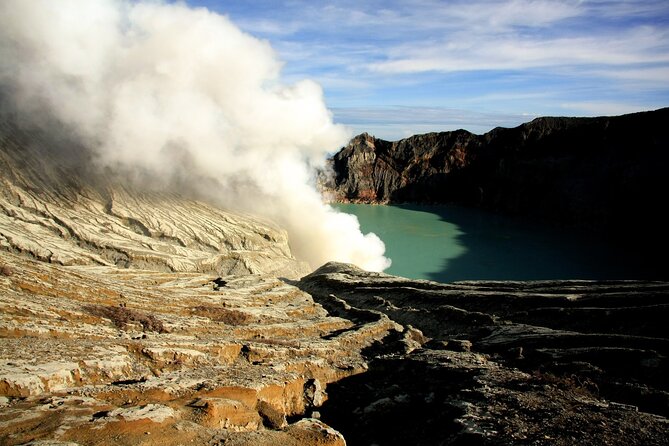
Ijen is not simply a crater viewpoint with a nice morning panorama. The blue fire gives the excursion a clear purpose. In the dark, sulphur gases burn with a blue glow, creating the unusual sight that draws people across the Bali Strait.
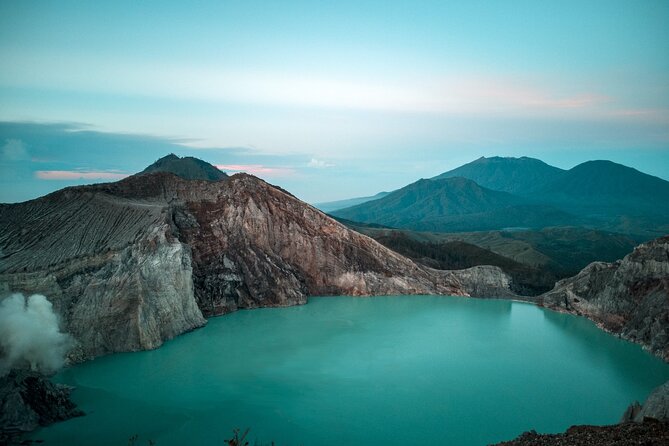
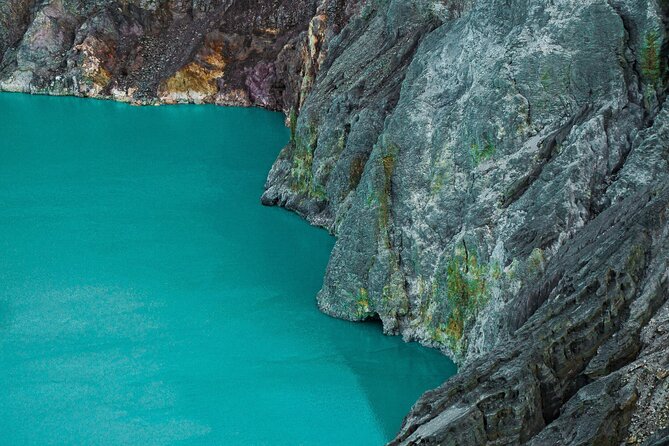
You should keep expectations sensible. The blue fire is dependent on weather conditions, and there is no guarantee you will see it. Visibility, wind, and conditions around the crater can affect the experience. If the flames cannot be viewed, the trek still leads to Ijen Crater, Java’s largest acid lake, with strong views from the summit viewpoint after daylight arrives.
The blue fire also changes the nature of the walk. You are not hiking at a leisurely morning pace. You leave the starting point late at night, receive a safety briefing, and walk by flashlight. The darkness adds atmosphere, but it also makes the rough uphill route feel harder.
More walks and treks around Kuta:
- Mount Batur Sunrise Trekking Private Tour with Breakfast and Hotel Transfer
★ 5.0 · 885 reviews - Private Tour Mount Batur Sunrise Trekking and Natural Hot Spring
★ 5.0 · 431 reviews - Mount Batur Sunrise Trekking Open Trip All-Inclusive
★ 4.5 · 63 reviews
From South Bali to Gilimanuk Harbor at 5:00 pm
Pickup is offered from selected hotels in Kuta, Legian, Seminyak, Jimbaran, and Nusa Dua. The listed start time is 5:00 pm, though your exact pickup time is confirmed after reconfirmation.
The first part of the trip is a road transfer across Bali to Gilimanuk Harbor in the west. From there, you board a ferry to East Java. The ferry crossing is not a small detail. It is what turns this into an overnight cross-island expedition rather than a standard Bali excursion.
You are expected to arrive in East Java around midnight, then continue by road directly to the trekking start point. A driver and tour escort handle the journey from Bali to Banyuwangi, while a local guide takes over for the mountain trek.
This schedule has one clear benefit: you can start the climb in the cool darkness and reach the summit before dawn. The cost is sleep. You should be ready for a late-night drive, a night hike, and a return to Bali the following afternoon.
One practical issue is group timing. If other members have not yet arrived, you may wait at a house or building before setting off together. That wait can feel frustrating after the long drive, but the group departure helps keep the trek organized and ensures that the guide can manage everyone as one unit.
The 3-kilometer night climb to Ijen Crater
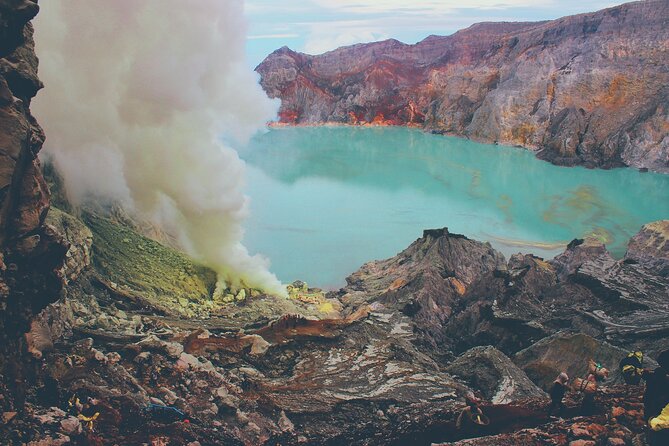
At the trailhead, the local trekking guide provides a safety briefing and equipment that includes a flashlight and gas mask. The route to the summit covers about 3 kilometers, or roughly 1 mile, and takes around one to two hours.
The trail includes uphill and flatter sections. Even though 3 kilometers may sound short, the timing and terrain make this a serious walk. You are climbing overnight after several hours of transport, and the visit to the crater can include difficult conditions. The ascent is not suitable for someone looking for an easy stroll.
Wear proper sportswear and hiking shoes. Long pants, a sweater or jumper, gloves, and a hat are recommended because the mountain can feel cold before sunrise. A mask is part of the stated crater rules, and you should carry any medicine you need.
The tour requires strong physical fitness. It is not recommended for children aged 15 and under, older people, or anyone with heart complaints, asthma, or another serious medical condition. The operator also asks for a health certificate from a doctor, valid for no more than three days before the tour. If you do not have one, you may be taken to a nearby doctor.
That medical requirement is worth taking seriously. I would not treat this as a casual add-on to a Bali beach holiday. Exercise or physical activity the day before is recommended, but it is better to assess your fitness well before booking.
Meeting the sulphur miners on the trail
One of the most striking parts of the route is seeing the sulphur miners at work. They carry blocks weighing about 60 to 80 kilograms, or 132 to 176 pounds, in bamboo pole baskets balanced across their shoulders.
This is not a staged cultural stop. The miners are doing demanding physical work on the mountain. You may see them using traditional iron rods to break sulphur, without modern safety equipment. Their presence gives the trek a human dimension that a simple viewpoint visit would miss.
You should watch your footing and avoid getting in the way. The mountain is their workplace, and the loads they carry are far heavier than anything you will bring on the trail. The contrast between your guided visit and their repeated labor is hard to miss.
The encounter can also make the tour more sobering. I like that the experience does not present Ijen as just a dramatic photo stop. It shows the difficult work behind the yellow sulphur blocks, while also making clear why you need to follow safety instructions around the crater.
A few more Kuta half-days to weigh up
- Nusa Penida day trip: boat, 4 snorkeling, Manta rays & Land tour
★ 5.0 · 2,033 reviews - Bali Nusa Penida West Private All-Inclusive Tour
★ 5.0 · 1,277 reviews - Individual Bali Day Trip with Private Driver and Free WiFi
★ 5.0 · 755 reviews - Waterbom Bali Tickets – Single Day Pass
★ 4.5 · 620 reviews
Blue fire in the darkness, then daylight over the crater
After the climb, the group aims to view the blue fire before dawn. Your flashlight and gas mask are especially important during this part of the visit. Conditions can be demanding, and the weather may determine whether the flames are visible.
Once the pre-dawn portion is finished, you stop for a light breakfast on the mountaintop. It is a modest meal, but the timing matters. You will have been walking in the night, and a little food before the descent is useful.
As daylight improves, the guide takes you back down for a closer look and photo opportunities around the crater area. Ijen Crater contains Java’s largest acid lake, making the morning viewpoint a different experience from the blue fire. The darkness focuses attention on the glowing sulphur gases, while daylight lets you see the scale and color of the crater.
Do not assume you can roam freely. The stated Ijen rules limit visitors to a maximum of 500 meters from the crater. You must not throw rubbish, seeds, cigarette ends, or start a fire. These rules are basic, but important in a harsh volcanic setting where careless behavior can create real danger.
The crater section is also where fitness matters again. The descent can be challenging, particularly after the night climb, and the return uphill or back along the route can test tired legs. One review of the experience described both the ascent and descent into the crater as difficult, with conditions that require a decent level of fitness.
Returning through Banyuwangi and back to Bali
After the crater visit, you descend and transfer to Banyuwangi Harbor for the late-morning ferry to Bali. The return crossing begins the final stage of a long day.
Lunch at a local restaurant is included before the final hotel drop-off in the afternoon. The meal is described as Balinese food, while drinks are not included. Dinner is also not included, so you should plan for that before departure or bring money for food during the journey.
The included meals help the value of the tour. So do hotel pickup and drop-off, ferry transport, the Bali-to-East-Java driver and tour escort, the local trekking guide, equipment, taxes, and handling charges. At $153.85 per person, the price is not low, but the tour covers a large amount of transport and coordination across two islands.
The value depends on what you would otherwise arrange yourself. If you had to organize Bali transfers, ferry crossings, a Banyuwangi transfer, a local mountain guide, trekking equipment, breakfast, and lunch separately, the package could save you effort and reduce the chance of a missed connection. You are paying for a long, tightly timed operation as much as for the walk itself.
The weak point is comfort. A small group does not turn the journey into a restful one. You still face the late departure, midnight arrival, night climb, morning descent, return ferry, lunch, and afternoon drop-off.
How the small group affects the experience
The maximum group size is 10 people. That is a useful limit for a night trek, where people can spread out and energy levels may vary.
A small group also gives the guide a better chance to monitor the pace and safety of each person. The trekking staff were described as friendly and attentive to safety, which matters more here than polished commentary. You need someone who will tell you when to slow down, use your mask, or take care on difficult ground.
The Bali driver also plays an important role because the trip involves so much road and ferry travel. Courteous driving can make a long transfer easier, though the quality of the local trekking guidance may feel more average than exceptional. If you want a highly interpretive mountain guide with extensive explanation at every stop, you may find the guiding style fairly basic.
For me, the best fit is someone who values access and logistics over luxury. You get a local guide, the right basic equipment, and a manageable group. You should not expect a private vehicle, a quiet itinerary, or a polished resort-style service.
What to pack for an overnight volcanic trek
Pack for cold, darkness, exertion, and a full day on the move.
- Long trousers and a warm sweater, sweatshirt, or jumper
- Sports shoes or proper hiking shoes
- Gloves and a hat
- A mask and any personal medicine
- A small amount of water and money for drinks
- A phone or camera, protected from dust and sulphur conditions
- A doctor’s health certificate valid for no more than three days before the tour
The gas mask and flashlight are supplied, but you should still arrive prepared rather than relying on thin holiday clothing. Bali may be warm at pickup, while Ijen before dawn can feel cold.
Do not smoke or plan to light a fire at the crater. Do not throw rubbish or seeds. Follow the 500-meter access limit and the guide’s directions.
Mount Ijen closes on the first Friday of each month for cleaning, so avoid that date. The tour also requires good weather. If poor weather causes cancellation, you are offered another date or a full refund.
Free cancellation is available if you cancel at least 24 hours before the local start time. Changes or cancellations inside that period are not refunded, so check the forecast and your health before the deadline.
Who should book this Ijen tour?
I would recommend this excursion to a fit adult who wants a demanding volcanic experience and is willing to trade sleep and comfort for something unusual. It suits you if the blue fire, sulphur mining, and cross-island journey sound more appealing than a relaxed Bali day.
The tour is also a good match if you prefer having transport and guides arranged for you. The ferry crossings and midnight transfer would be awkward to coordinate independently, especially when the timing of the pre-dawn trek matters.
I would think twice if you have asthma, heart problems, serious medical conditions, poor stamina, or trouble with steep walking. It is not recommended for children aged 15 and under or older people. The long route and crater conditions are not softened by the fact that the distance is only about 3 kilometers.
Should you book it?
Book this Mount Ijen tour if you want a rare natural sight and understand that it comes with a hard climb, little sleep, and a long return to Bali. The blue fire and working sulphur miners offer more than a standard scenic stop, while the small group, equipment, meals, and transport make the $153.85 price easier to justify.
Skip it if you want a comfortable overnight excursion or cannot meet the fitness and health requirements. Ijen is rewarding because it is demanding, not because it is easy. Go prepared, accept that weather may hide the blue flames, and you’ll know exactly what kind of adventure you are booking.
FAQ
How long does the Mount Ijen tour take?
The experience lasts approximately 23 hours, beginning with late-afternoon pickup from Bali and ending with hotel drop-off the following afternoon.
What time does the tour start?
The listed start time is 5:00 pm. Your exact pickup time is confirmed after reconfirmation.
Which Bali hotels offer pickup?
Pickup and drop-off are offered from selected hotels in Kuta, Legian, Seminyak, Jimbaran, and Nusa Dua.
How do I reach Mount Ijen from Bali?
You are transferred to Gilimanuk Harbor in West Bali, cross by ferry to East Java, and continue by vehicle to the trekking starting point.
How long is the trek to the summit?
The route is approximately 3 kilometers, or 1 mile, and usually takes about one to two hours.
Is the blue fire guaranteed?
No. The blue fire can be viewed depending on weather conditions, so visibility is not guaranteed.
What equipment is provided?
You receive a flashlight and gas mask, along with a safety briefing before the trek.
Are meals included?
A light breakfast and lunch are included. Drinks and dinner are not included.
Is the tour suitable for children or people with medical conditions?
The tour has a minimum age of 16 and is not recommended for children aged 15 and under, older people, or anyone with heart complaints, asthma, or other serious medical conditions.
Just added around Kuta
- Ubud Highlights Rice Terraces, Temple, Waterfall & Monkeys forest★ 5.0 · 23 reviews
- Your Fragrance Selection: Bali Perfume Workshop and Creations★ 5.0 · 3 reviews
- Waterbom Bali Tickets with Private Transfers★ 4.5 · 39 reviews
- Experience West Nusa Penida Private Tour★ 4.5 · 14 reviews
- Premium White Water Rafting and Jungle Buggies in Bali★ 4.0 · 15 reviews
- Bali Atv Riding through Cave and Waterfall★ 5.0 · 18 reviews
- Nusa Penida 4 Spot Snorkeling with Manta and Island Tour★ 4.5 · 11 reviews
- West Nusa Penida Day Trip★ 5.0 · 8 reviews
Kuta Tours, compared.
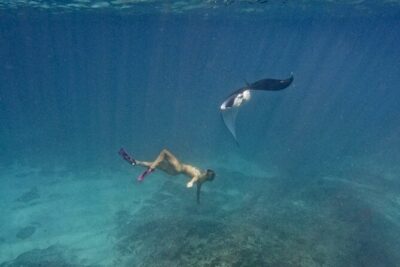
Nusa Penida day trip: boat, 4 snorkeling, Manta rays & Land tour
Read our review →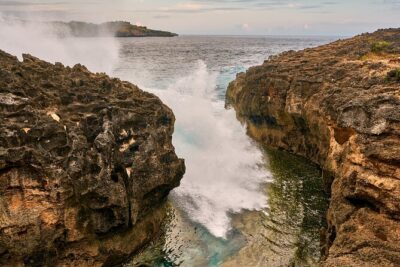
Bali Nusa Penida West Private All-Inclusive Tour
Read our review →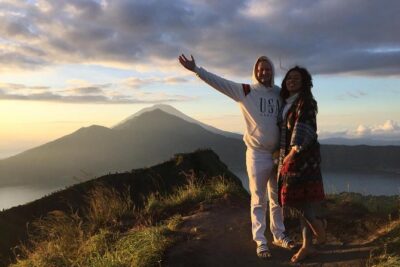
Mount Batur Sunrise Trekking Private Tour with Breakfast and Hotel Transfer
Read our review →
Individual Bali Day Trip with Private Driver and Free WiFi
Read our review →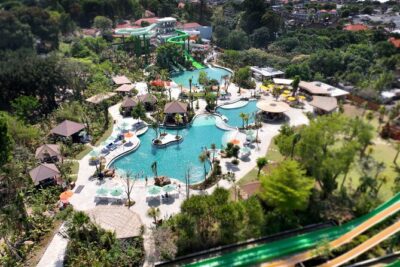
Private Tour Mount Batur Sunrise Trekking and Natural Hot Spring
Read our review →
Private Tour Bali Beaches and Uluwatu Temple with Dinner
Read our review →
All inclusive Private 3 day tours package : Bali highlights
Read our review →Browse the lists this tour appears in