Reviewed · UBUD TOURS
Bali: Ubud Palace Legong Dance Show Ticket
Ubud’s Legong dance is less a stage show than a finely controlled piece of living Balinese culture. For 90 minutes, young dancers use darting eyes, exact hand gestures, sudden turns, and delicate steps to tell an old royal story while a gamelan orchestra supplies the metallic pulse. I especially like the ornate gold costumes and the way the dancers’ faces and eyes carry as much meaning as their movements. The outdoor setting near Ubud Palace adds a memorable sense of place.
I also like the remarkable value. At about $6 per person, this is one of Ubud’s easiest cultural evenings to add to your plans. The main catch is the seating: arrive 45 minutes early at a minimum, and preferably an hour or more, because the small performance area can fill well before showtime. Phones held in the air, limited chairs, heat, and occasional standing can take some polish off an otherwise beautiful night.
Key points to know before booking
- Legong Kraton began as a court dance: The performance reflects the discipline and elegance once associated with Balinese royal palaces.
- The music is part of the attraction: A live gamelan orchestra drives the dancers with sharp, unusual rhythms that may take a few minutes to get used to.
- Arrive 45 to 75 minutes early: Good seats disappear quickly, and some people may end up standing or sitting on the floor.
- The setting is outdoors: You get an ornate Ubud setting, but airflow can be limited and the evening may feel hot.
- Bring cash and a camera: Drinks and snacks may be sold inside, and the ticket covers the show only.
- The performance is a bargain, with basic facilities: The $6 price is excellent, but do not expect reserved seats, hotel transport, or a polished theater setup.
Why Legong matters in Ubud
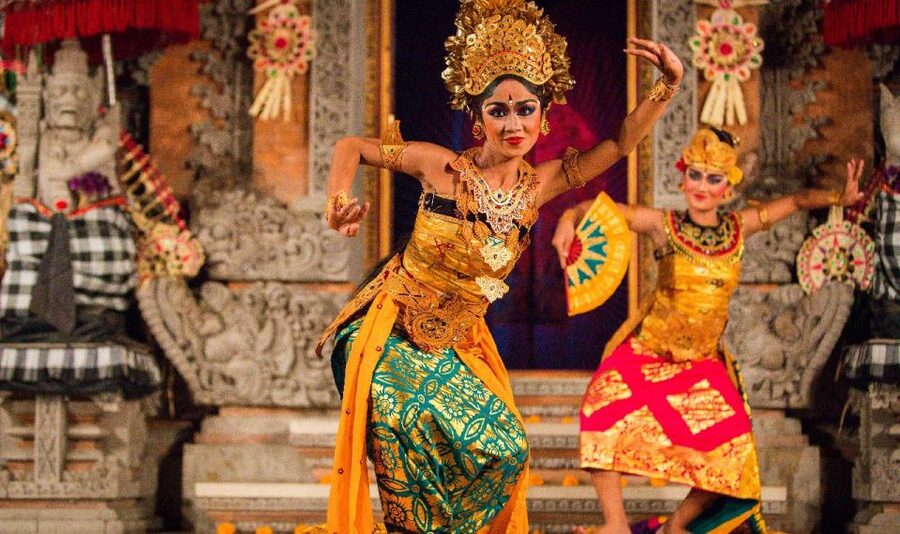
Legong, also called Legong Kraton, is one of Bali’s best-known classical dances. It developed in the 19th century as a refined court performance, so its movements are not casual folk steps. Every tilt of the head, position of the fingers, angle of the wrist, and shift of the eyes has a purpose.
That precision is what makes the dance so striking. From a distance, the movements can look light and effortless. Watch closely, though, and you will see how much control they require. The dancers hold their bodies in poised positions, then switch quickly into sharp, almost birdlike motions.
The performance presents an old royal tale involving love, conflict, and destiny. You may not follow every character or plot turn without preparation. The gestures are expressive, but the story is not always easy to track from the stage alone. A printed pamphlet can help, so read it before or during the performance rather than treating it as an afterthought.
The exact program may include related classical scenes or a Ramayana episode. One account describes watching Ramayana, while other descriptions focus on Legong and several costume changes. That suggests the evening can contain more than one dance section. Go for the movement, music, costumes, and atmosphere first, and treat the story as an added reward.
More shows in Ubud:
- Bali: Ubud Kecak and Fire Dance Show Tickets
★ 4.4 · 2,631 reviews - Half-Day Tour: Uluwatu Temple and Kecak Fire Dance Show
★ 5.0 · 63 reviews - Private Tour: Full-Day Tanah Lot and Uluwatu Temples with Kecak Fire Dance Show
★ 5.0 · 57 reviews
Reaching the palace and finding the entrance
You are told to go directly to the ticketing counter at Ubud Palace. Hotel pick-up and drop-off are not included, so you need to arrange your own way to central Ubud and allow time for traffic and walking.
Online ticket collection can be slightly confusing. The online-booking entrance may be on the other side of the complex from the regular ticket area, so look for staff or signage rather than joining the first line you see. Once you find the correct counter, entry is generally straightforward.
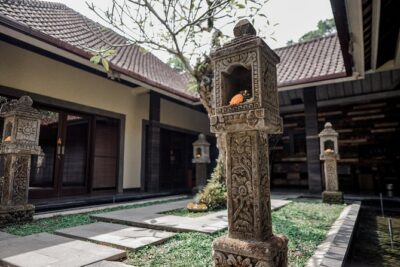
The name Ubud Palace can also create a small expectation problem. The performance uses an outdoor stage associated with the palace area, but one account specifically notes that the stage is across the road rather than inside the actual palace buildings. You still get an ornate historic setting and a strong connection to Ubud’s royal center, but this is not a candlelit tour through palace rooms.
For the easiest evening, reach the area well before the posted start time. Give yourself room to find the counter, confirm your entry, locate the performance area, and choose a seat without rushing.
Why arriving early matters so much
The most useful advice is simple: do not arrive at the last minute. The official suggestion may be around 45 minutes before the performance, but one hour is safer, and 75 minutes gives you the best chance of a front or central position.
The venue is small, and tickets may also be sold locally on the day. That means the room can look full surprisingly early. Arriving 30 minutes before the performance may leave you with few choices. Arriving late can mean a side seat, a place on the floor, or standing for much of the show.
The best view is not always directly in front. Several people find the seats at the sides offer a clearer, less obstructed view of the dancers. At the same time, the show is usually aimed toward the front, so far-side seats can make some formations harder to appreciate. If you want the safest compromise, arrive early and choose a central seat with a clear line to the stage.
Some mats are placed on the ground in front of the stage. These can offer a close view, but the arrangement may involve buying a drink from a local vendor to sit there. The seating is informal, so do not expect assigned chairs or theater-style rows.
What happens during the 90-minute performance
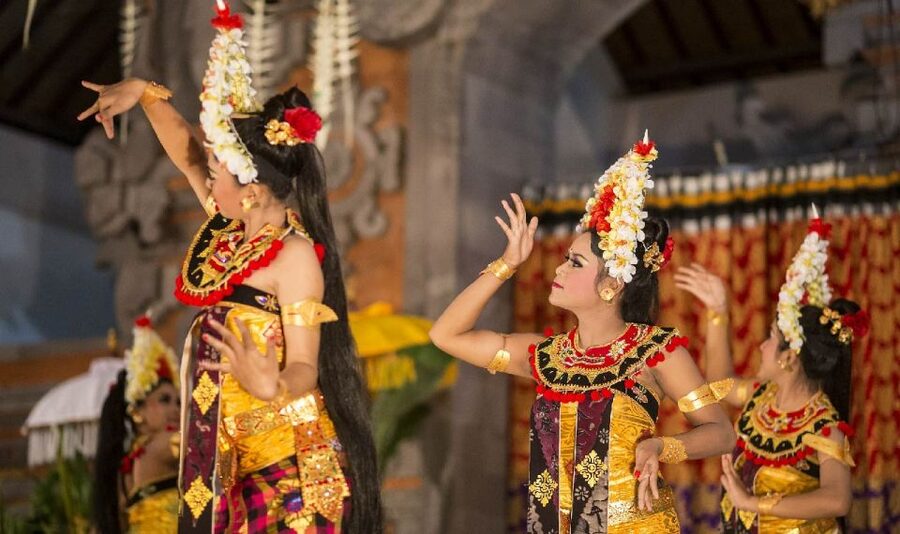
The evening centers on dance and gamelan music rather than a guided introduction. The orchestra’s instruments create a bright, metallic sound with sudden changes in pace. The music can feel unfamiliar at first, but it soon becomes clear how closely the dancers respond to its rhythm.
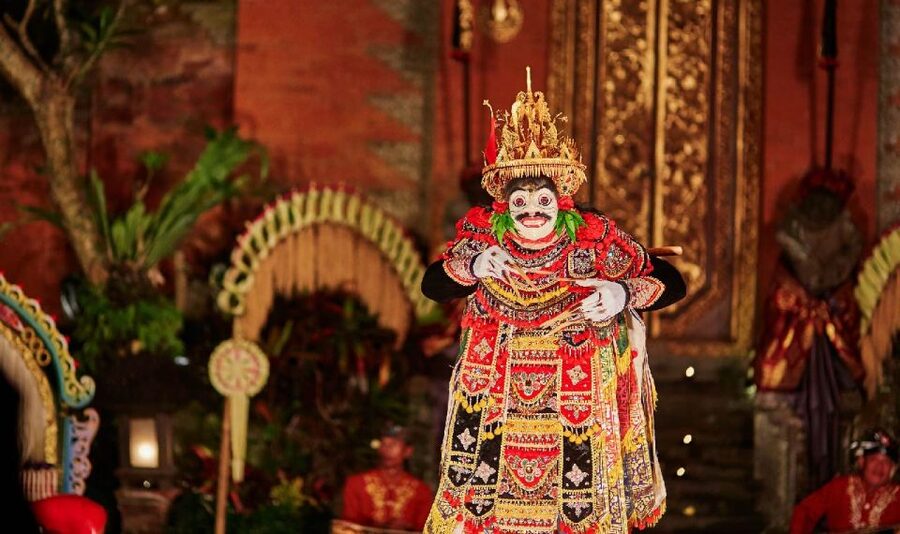
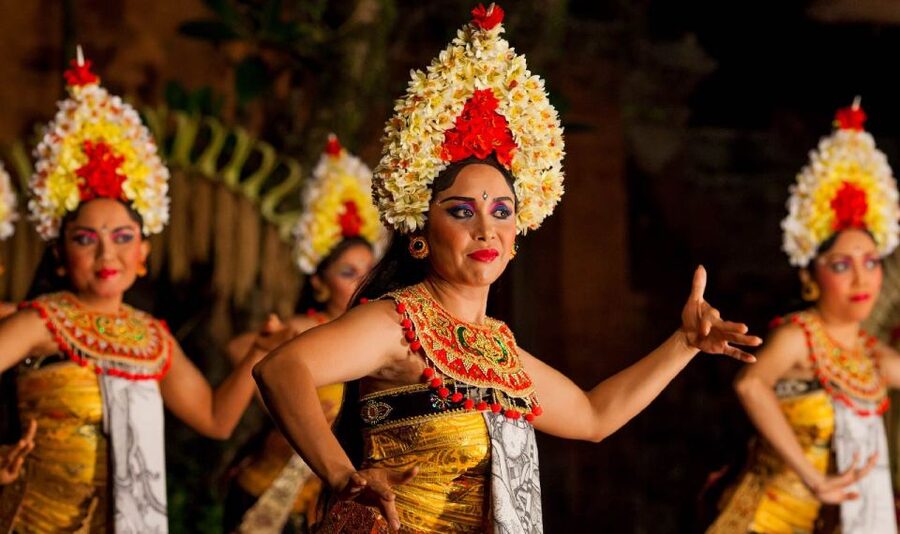
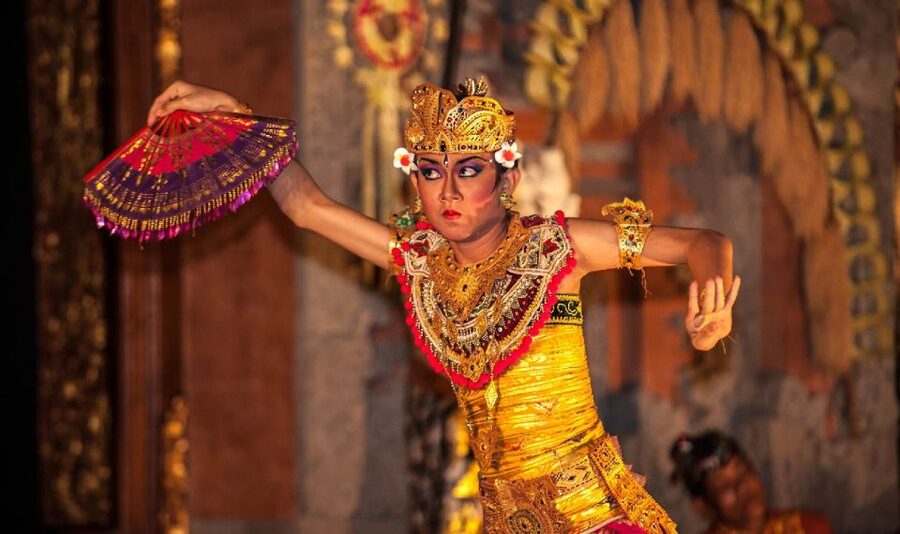
The young female dancers wear elaborate costumes with gold details and ornate headdresses. These outfits are not just decoration. Their stiff structure and heavy-looking headpieces make the dancers’ quick, exact movements even more impressive.
Watch the hands first. Fingers extend, curl, and pause in precise shapes. Then watch the eyes. A fast sideways glance can signal alarm, attraction, suspicion, or command. The dancers also use small shoulder movements, angled knees, and tightly controlled footwork to distinguish characters and moods.
The storytelling is highly stylized. You should not expect dialogue, spoken explanations, or a straightforward Western-style play. Instead, you read the story through posture, expression, costume, music, and repeated gestures. If you have read about the tale beforehand, the performance becomes much easier to follow.
The program is listed as lasting 90 minutes. Plan carefully around dinner, since one 7 PM performance was reported to finish around 9:15 PM. The stated duration and actual end time may not always match exactly, so avoid booking a restaurant reservation too close to the scheduled finish.
You can leave if you need to, but leaving early means missing part of the performance and may be awkward once dancers are on stage. A full 90 minutes is a long time for young children or anyone with a short attention span. Adults interested in music and culture will likely find the length worthwhile.
A few more Ubud half-days to weigh up
- All-Inclusive Ubud Private Tour
★ 5.0 · 14,344 reviews - Best of Ubud Full-Day Tour with Jungle Swing
★ 5.0 · 8,571 reviews - Ubud: Monkey Forest, Jungle Swing, Rice Terrace, and Water Temple
★ 5.0 · 7,160 reviews - Best of Ubud 1-Day Private Tour
★ 5.0 · 4,451 reviews
Costumes, expressions, and the human skill behind the show
The costumes are one of the easiest details to appreciate without any background in Balinese art. Gold fabric, ornate headdresses, strong makeup, and changing outfits give each section a distinct visual character.
The faces are just as important. A dancer may hold a calm expression, then shift quickly into fear, anger, or fascination. The eyes can seem almost startlingly intense. From a good seat, you can see how much storytelling happens in the face rather than through large stage props.
I find the contrast between grace and energy especially appealing. Legong is delicate, but it is not slow or sleepy. The movements can be sudden and highly exact, with the dancers changing direction in time with the orchestra. Their control reflects years of practice, even though the show itself is presented as an accessible evening activity.
The orchestra deserves equal attention. If you focus only on the dancers, you miss half the performance. The musicians provide the pace and mood, creating tension during conflict and a softer tone during more tender scenes.
The sound is distinctive, not background music. If you prefer quiet performances or familiar Western melodies, the gamelan may take adjustment. If you are open to an unfamiliar musical system, it becomes one of the night’s strongest features.
Comfort, crowds, and the outdoor setting
The palace setting gives the show much of its charm, but the facilities are basic. The performance is outdoors, and airflow can be limited. One practical tip is to bring a small hand fan, particularly on a warm evening.
There may be drinks and snacks available inside the performance area. Bring cash, since the activity information specifically recommends it and small local vendors may not take cards. A drink can also help if you arrive early and spend time waiting for the show to begin.
Toilets may not be available within the performance area, so plan ahead before taking your seat. This matters because leaving during the show can mean navigating past people in a tight seating arrangement.
Phones are another issue. Some audience members film the entire performance, and raised screens can block your view. You cannot control what others do, but arriving early helps you choose a position with fewer obstructions. If you want to record a short clip, be considerate and keep the screen low.
The crowding is the main weakness of this experience. The performance itself earns the high praise, but the infrastructure does not always match the number of people who want to see it. You are paying for access to a cultural performance, not a plush theater seat.
How to get more from the story
You do not need specialist knowledge to enjoy Legong, but a few minutes of preparation helps. Read the story in the pamphlet provided at the venue. Pay attention to the names of the main figures and the basic conflict before the dancers begin.
If the program includes a Ramayana section, knowing the broad outline can also help. You may still lose track of who is who, especially when several dancers appear in elaborate costumes. That is normal. The performance works on two levels: as a story and as a display of movement, expression, and sound.
Try not to spend the entire time filming. The dance depends on quick eye movements and subtle hand positions, details that are easy to lose through a phone screen. Watch the opening section directly, then decide if you really need a recording.
The best approach is to notice one element at a time. Start with the gamelan rhythm. Then watch the hands, followed by the eyes and facial expressions. By the second half, the movements will feel less mysterious and more readable.
Who will enjoy this Ubud evening most
This show suits you if you want an affordable cultural activity in central Ubud. It is especially good for first-time visitors who want to see a traditional Balinese art form without committing to a full-day tour or a costly dinner show.
It also works well after a day of sightseeing. The performance is in the heart of Ubud, and its evening timing makes it easy to pair with dinner before or afterward. Just leave enough space in your schedule for the late finish.
Families can attend, but children may find 90 minutes demanding. The show is visual and colorful, yet the story is stylized and the seating can be uncomfortable. If you are bringing children, an early arrival and a seat with a clear view will make the experience easier.
You may want to skip it if you strongly dislike crowds, basic seating, outdoor heat, or unfamiliar music. You should also think twice if you need a guaranteed seat or a tightly timed evening connection. The low price does not remove those practical limits.
Is the $6 ticket good value?
Yes, provided you judge the ticket by the performance rather than the facilities. Six dollars buys access to skilled dancers, live gamelan music, elaborate costumes, and a culturally important art form in a memorable Ubud setting.
Comparable cultural evenings can cost much more, especially when transport, meals, or private guides are added. Here, the low price lets you add a serious traditional performance to your plans with little financial risk.
The trade-off is that you pay separately for transport, food, drinks, and possibly a more comfortable waiting experience elsewhere. There is no hotel pick-up or drop-off, and children pay the same rate as adults.
I consider this an unusually strong value for anyone already staying in or near Ubud. The price is not a reason to overlook the show’s shortcomings, but it makes the basic seating and crowded entrance easier to accept.
Booking details worth knowing
The ticket is valid for all passport holders, but only on the date selected at booking. The activity is non-refundable, so check your plans carefully before paying.
The ticket covers the show only. Transport, hotel transfers, food, and drinks are not included. Bring your camera if you want photos, but be prepared for filming restrictions or obstructed views caused by other phones.
Weapons and sharp objects are not allowed. The experience is listed in English for its booking information, but there is no indication of a live guide or spoken tour during the performance. You attend the show independently after collecting your ticket.
Should you book the Ubud Palace Legong show?
I would book it if you want a short, inexpensive way to see serious Balinese dance in an atmospheric setting. The costumes, gamelan orchestra, expressive faces, and precise gestures make the evening memorable, and the $6 price is hard to argue with.
Book it with the right expectations. Arrive at least 45 minutes early, and aim for an hour or more if a good seat matters. Bring cash, consider a hand fan, read the story pamphlet, and leave room in your schedule in case the performance runs beyond the listed 90 minutes.
Skip it only if basic facilities and crowded seating would outweigh the cultural value for you. For most people who are curious about Bali’s traditional arts, this is a smart Ubud choice, as long as you treat the wait and seating as part of the deal.
FAQ
Where does the Legong dance show take place?
You should go directly to the ticketing counter at Ubud Palace. The performance uses an outdoor stage connected with the palace area, though one account notes that the stage is across the road rather than inside the palace buildings.
How long is the performance?
The activity is listed as valid for 90 minutes. A 7 PM performance may finish around 9:15 PM, so allow extra time when planning dinner or onward arrangements.
How much does the ticket cost?
The listed price is $6 per person.
Is hotel transportation included?
No. Hotel pick-up and drop-off are not included, so you must arrange your own transport to and from Ubud Palace.
How early should I arrive?
Arrive at least 45 minutes before the show. Arriving one hour to 75 minutes early gives you a better chance of finding a good seat, since the venue can fill quickly.
Are seats reserved?
No reserved seating is specified. Seating is basic and limited, and you may need to sit on a mat or stand if you arrive late.
Do children pay the same price?
Yes. Children are charged at the same rate as adults.
Can I cancel the booking?
No. The activity is non-refundable, and the ticket is valid only on the selected date.
What should I bring to the show?
Bring a camera and cash. Drinks and snacks may be available at the venue, but they are not included with the show ticket. Weapons and sharp objects are not allowed.
Just added around Ubud
- Overnight Mount Ijen Blue Fire Trekking Tour From Bali★ 4.0 · 14 reviews
- Keliki Village Tour And Rice Field Walk Including Lunch Or Dinner★ 5.0 · 3 reviews
- Ubud Tour with all includes★ 5.0 · 3 reviews
- Jungle Buggy Adventure and Ubud Tour★ 5.0 · 6 reviews
- Exclusive Ubud Jewelry Making: Craft with a Pro Silversmith!★ 5.0 · 37 reviews
- Mount Batur Jeep Tour★ 5.0 · 30 reviews
- Jungle Swing – Volcano – Water Temple – Monkey Forest and Waterfall Tour★ 5.0 · 11 reviews
- Jatiluwih in detail (1 h. e-bike tour in the rice terraces)★ 4.0 · 5 reviews
Ubud Tours, compared.



Monkey Forest, Jungle Swing, Rice Terrace, and Water Temple
Read our review →

Uluwatu Sunset, Kecak Dance, and Dinner Jimbaran Beach
Read our review →
Tanah Lot and North Bali Tour: Scenic Journey
Read our review →