Reviewed · KUTA TOURS
PADI Open Water Course
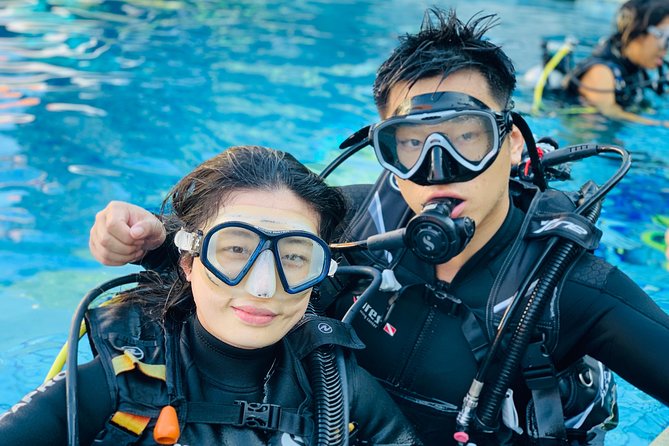
The most useful thing about this PADI Open Water Course is that it gives you a full beginner certification in three days, not just a one-time underwater outing. You learn the basics, practice in a pool, then complete four open-water sessions around Padang Bai and Tulamben, with a maximum of three participants.
I like the small group limit and the practical support, including hotel pickup, an air-conditioned minivan, lunch, drinks, and snacks. I also like that instructors such as Gede Ariawan, Muli, Sia, and Julian have been praised for patience, especially with first-time students and people who are not confident swimmers.
The main consideration is the commitment. This is a real certification course, so three full days of study and training are required. You also need to follow medical rules closely, including avoiding scuba activity within 18 hours of flying.
Key points to know before booking
- Three full days of training: The course combines knowledge development, pool practice, and four open-water sessions.
- Two Bali locations: Padang Bai and Tulamben give you different settings for completing your certification.
- Small maximum group: The course accepts no more than three participants, allowing closer instruction.
- Patient named instructors: Gede Ariawan, Muli, Sia, and Julian are among the instructors connected with the course.
- Transport and meals included: Hotel pickup, drop-off, an air-conditioned minivan, lunch, bottled water, tea, coffee, and snacks are covered.
- Certification depth limit: After qualifying, you can scuba safely to a maximum depth of 18 meters.
What the three-day PADI course really involves
This is not a quick try-out session. It is the standard beginner route to becoming an independent PADI Open Water Diver, with the training needed to use scuba equipment and manage yourself underwater to a maximum depth of 18 meters.
Your three days are divided into three parts: knowledge development, pool training, and four open-water sessions. That order matters. You first learn the basic rules and procedures, then practice skills in a controlled setting before using them in the sea.
I see this structure as a good fit for someone who wants a lasting qualification rather than a holiday snapshot. You finish with a certification that can be used for future scuba activities, though the course still demands focus, physical readiness, and a willingness to repeat skills until they feel natural.
The group limit of three is one of the most useful details here. Beginner instruction can become stressful when one guide must watch a large group, especially during equipment checks and underwater exercises. With only a few participants, you should have a better chance to ask questions and receive direct corrections.
Several instructors are associated with the course. Gede Ariawan has been especially praised for patient, personal instruction, while Muli has helped students with buoyancy control and encouraged those who were not strong swimmers. Sia and dive guide Agus have also been noted for patient, professional support. Julian is another instructor connected with the center’s open-water program.
Instructor assignments can change, so you should not assume that you will receive a specific person. Still, the range of positive comments about different members of the team suggests that the teaching approach is not dependent on just one guide.
A few more Kuta half-days to weigh up
- Nusa Penida day trip: boat, 4 snorkeling, Manta rays & Land tour
★ 5.0 · 2,033 reviews - Bali Nusa Penida West Private All-Inclusive Tour
★ 5.0 · 1,277 reviews - Mount Batur Sunrise Trekking Private Tour with Breakfast and Hotel Transfer
★ 5.0 · 885 reviews
Knowledge development before you enter the water
The first stage covers the ideas you need for safe scuba use. You will learn how the equipment works, how to manage yourself underwater, and why depth, air spaces, and health rules matter.
The supplied information does not give a precise classroom timetable, so you should ask Neptune Scuba Diving how much theory is completed at the center and how much can be done online before arrival. One detailed account indicates that completing PADI theory online before reaching Bali can leave more time for practical work during the trip.
That can be a smart option for a three-day schedule. Doing the reading and quizzes in advance may make the course days less rushed, but you still need to understand the material, not simply click through it. If you are new to scuba, give yourself enough time to review the lessons carefully.
The medical questionnaire is an important part of this stage. You must be in good respiratory and circulatory health, and your body air spaces must be normal and healthy. A current cold or congestion, coronary disease, epilepsy, certain heart or asthma conditions, severe medical problems, or alcohol and drug use can prevent participation.
If you have any health concern, consult a doctor before booking. This is not a formality to brush aside. Problems with pressure changes can become serious underwater, so answer the questionnaire honestly and allow time for medical advice if needed.
The minimum age is 10. The course is open to most people who meet the health requirements, but age alone does not guarantee suitability. You should be comfortable following instructions and prepared for several stages of training.
Pool training builds confidence before the sea
Pool practice is the bridge between theory and open water. It gives you a controlled place to become familiar with the equipment and learn the basic skills before dealing with the conditions at Padang Bai or Tulamben.
For a nervous beginner, this may be the most valuable part of the course. You can focus on breathing, buoyancy, equipment use, and standard procedures without the added pressure of a larger natural setting. Patient teaching matters here, and the instructors connected with this program have received particular praise for helping new students work through uncertainty.
One useful example comes from students who began with little scuba experience and limited swimming confidence. The instruction from Gede and Muli was described as patient and encouraging, with special attention to buoyancy control. That does not mean you can arrive without preparation, but it does suggest that beginners are not expected to perform perfectly on the first attempt.
You should expect to repeat skills. That is a good sign, not wasted time. The point of pool training is to make key actions familiar enough that you can carry them out calmly later.
The course takes place in Bali, where heat and travel time can affect your energy. Hotel pickup and transport by air-conditioned minivan remove some of the practical strain, especially if you are staying away from the meeting point in Sanur. Even so, plan on a full training day rather than a relaxed half-day outing.
Padang Bai and Tulamben give the course two settings
The four open-water sessions take place at Padang Bai and Tulamben. Using two locations gives the course a broader setting than completing every session in one place, and it lets you apply the same skills in different underwater conditions.
Padang Bai is one of the course locations, but no specific site or marine feature is promised in the supplied details. You should treat it as a training location first, not book this course expecting a particular reef, wreck, animal sighting, or underwater photograph.
Tulamben is the second location and is also used for the four required open-water sessions. The trip gives you a chance to see more of Bali beyond your hotel area, though the main purpose remains certification. Your time underwater will be shaped by instruction and skills practice, not simply sightseeing.
This distinction is important. A certified recreational scuba trip usually focuses on enjoying the underwater setting, while an Open Water course asks you to monitor yourself, follow procedures, and demonstrate specific skills. You may enjoy the scenery, but your attention must remain on safe practice.
The program includes four open-water sessions. That is enough for the required progression, but the pace can feel full. You will be learning, traveling, setting up equipment, and managing your energy across three days. A good night’s rest is more useful here than trying to pack every evening with extra plans.
Some participants have continued with additional scuba sessions after completing the course, including trips with Neptune in Tulamben and Nusa Penida. Those extra activities are not part of the $530 course, but the option may appeal to you if you want to build experience after certification.
Same base, a completely different kind of day:
- Individual Bali Day Trip with Private Driver and Free WiFi
★ 5.0 · 755 reviews - Waterbom Bali Tickets – Single Day Pass
★ 4.5 · 620 reviews - Private Tour Mount Batur Sunrise Trekking and Natural Hot Spring
★ 5.0 · 431 reviews - Private Tour Bali Beaches and Uluwatu Temple with Dinner
★ 5.0 · 363 reviews
What the $530 price includes
At $530 per person, this is a substantial purchase, but it covers more than instruction alone. The package includes taxes, fees, bottled water, lunch, coffee or tea, snacks, a driver or guide, a professional guide, hotel pickup and drop-off, and transport in an air-conditioned minivan.
The included transport has real value in Bali. Reaching Padang Bai and Tulamben can involve road travel, and arranging separate transfers would add cost and planning. Hotel pickup also makes the early part of the day simpler, especially if you are unfamiliar with the area.
Meals and drinks are small details that matter during a physical course. You do not need to budget separately for lunch or basic refreshments, though you should still ask about dietary needs if that is important to you. Bottled water is included, which is useful in Bali’s warm climate.
The price does not include souvenir photos. That is a minor extra rather than a hidden core cost, but underwater photos can be tempting, so decide in advance if you want to spend more. The essential instruction, transport, food, and course support are included.
The best value comes if you genuinely want certification. If you only want to try scuba once, a shorter introductory activity may be a better financial choice. If you plan to scuba again, the certification can make future sessions more practical because you will not need to repeat beginner training each time.
The course is commonly booked about 11 days ahead. That does not guarantee availability, but it is a useful planning signal. I would avoid leaving this until the last moment, particularly if you have a fixed Bali itinerary or need time to check medical suitability.
Pickup, timing, and the Sanur meeting point
The listed meeting point is Neptune Scuba Diving Bali on Jalan Suka Merta in Sanur Kauh, Denpasar Selatan. The activity ends back at the meeting point, while hotel pickup and drop-off are offered as part of the package.
Confirm your pickup details after booking. The stated operating hours are 7:00 AM to 6:00 PM from Monday through Sunday, but the actual pickup time for your course should be arranged directly with the operator.
An air-conditioned minivan is included for transport. This is more comfortable than organizing several separate rides, and it keeps the course group together. The group maximum of three also means the vehicle arrangement should not involve a large crowd, though the listing does not promise private transport.
The course runs for approximately three days. Do not place an important flight immediately after the final session. The safety guidance says scuba activity within 18 hours of flying is not recommended, so leave the proper interval before departure.
That rule also affects your arrival plan. If you are flying into Bali, do not assume you can land and start underwater training right away without checking the schedule. The operator can confirm the correct timing for your course.
Who will get the most from this course
This is a strong match for you if you want a recognized beginner certification, prefer guided instruction, and can set aside three consecutive days. It is also well suited to a couple or small group of friends who want close attention instead of a crowded class.
You do not need to be an experienced swimmer based on the information provided, and students with limited swimming confidence have received patient instruction. Still, you need to meet the health requirements and be able to participate in the training safely.
The course may also suit families with older children, since the minimum age is 10. A parent or guardian should consider the child’s maturity, comfort with equipment, and ability to follow detailed safety instructions. The age rule alone does not answer those personal questions.
I would be more cautious about booking if you have a tight Bali schedule, a flight soon after the final session, or a medical condition that has not been assessed. The cancellation terms allow a full refund if you cancel at least 24 hours before the start time, but changes or cancellations inside that window are not accepted for a refund.
The teaching style is the main reason to consider it
The strongest feature here is not a promised reef or luxury vehicle. It is the repeated emphasis on careful instruction from different members of the Neptune team.
Gede Ariawan is linked with instruction for both adults and a 15-year-old student, and his approach has been described as patient and thorough. Muli has been praised for helping with buoyancy control and encouraging a student who did not consider themselves a strong swimmer. Sia, Agus, and Julian are also associated with professional support during the course.
That matters because beginner scuba can feel awkward at first. Equipment is unfamiliar, breathing underwater takes adjustment, and small problems with buoyancy can make you feel less in control. A guide who explains a skill clearly and gives you time to repeat it can change the whole experience.
The five-star rating from 16 reviews and a 100 percent recommendation figure point to a very strong satisfaction record, though the sample is small. I would treat that as encouraging evidence about the staff and organization, not as a promise that every student will find the course effortless.
You still play a large part in the outcome. Read the PADI material, arrive rested, disclose health issues, listen closely, and speak up when you do not understand something. The best instructors can support you, but they cannot replace your own attention.
Should you book the Neptune PADI Open Water Course?
Book it if you want to leave Bali with a real beginner scuba certification and you value patient instruction, small groups, included transport, and a structured three-day plan. The combination of pool work, four open-water sessions, and locations at Padang Bai and Tulamben gives you a proper foundation rather than a brief introduction.
At $530, the course makes the most sense for someone who expects to scuba again. The included meals, drinks, vehicle, guides, and hotel transfers soften the cost, while the small group limit and strong record of patient teaching add practical value.
Think twice if you only want a single underwater outing, have uncertain medical clearance, or cannot protect the required 18-hour gap before flying. For a prepared beginner with three days available, Neptune offers a focused and well-supported path to certification in Bali.
FAQ
How long does the PADI Open Water Course take?
The course lasts approximately three days. It includes knowledge development, pool training, and four open-water sessions.
Where does the course take place?
The course starts at Neptune Scuba Diving Bali in Sanur Kauh, Denpasar Selatan. The four open-water sessions take place at Padang Bai and Tulamben, and the activity ends back at the meeting point.
What is the maximum depth after certification?
Once certified as a PADI Open Water Diver, you can scuba safely to a maximum depth of 18 meters.
Is hotel transportation included?
Yes. Hotel pickup and drop-off are included, along with transport by air-conditioned minivan.
Are meals and drinks included?
Yes. The package includes lunch, bottled water, coffee or tea, and snacks.
What is the minimum age?
The minimum age is 10 years.
Can I fly soon after completing the course?
Scuba activity within 18 hours of flying is not recommended. Plan your flight schedule around this safety interval.
Just added around Kuta
- Your Fragrance Selection: Bali Perfume Workshop and Creations★ 5.0 · 3 reviews
- Ubud Highlights Rice Terraces, Temple, Waterfall & Monkeys forest★ 5.0 · 23 reviews
- Waterbom Bali Tickets with Private Transfers★ 4.5 · 39 reviews
- Experience West Nusa Penida Private Tour★ 4.5 · 14 reviews
- Premium White Water Rafting and Jungle Buggies in Bali★ 4.0 · 15 reviews
- Nusa Penida 4 Spot Snorkeling with Manta and Island Tour★ 4.5 · 11 reviews
- Bali Atv Riding through Cave and Waterfall★ 5.0 · 18 reviews
- West Nusa Penida Day Trip★ 5.0 · 8 reviews
Kuta Tours, compared.
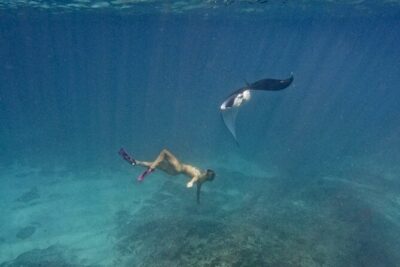
Nusa Penida day trip: boat, 4 snorkeling, Manta rays & Land tour
Read our review →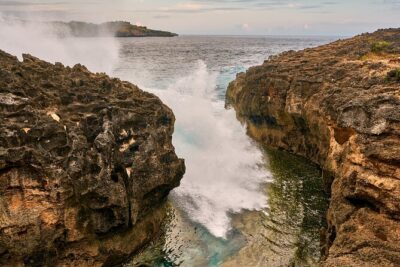
Bali Nusa Penida West Private All-Inclusive Tour
Read our review →
Mount Batur Sunrise Trekking Private Tour with Breakfast and Hotel Transfer
Read our review →
Individual Bali Day Trip with Private Driver and Free WiFi
Read our review →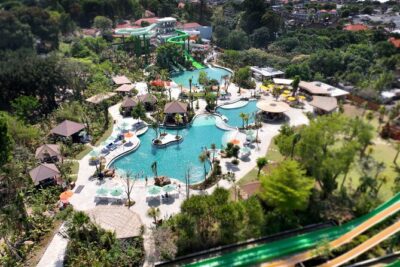
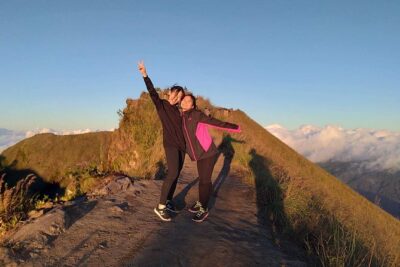
Private Tour Mount Batur Sunrise Trekking and Natural Hot Spring
Read our review →
Private Tour Bali Beaches and Uluwatu Temple with Dinner
Read our review →