
Reviewed · NUSA PENIDA TOURS
Reef Rehabilitation Course and Snorkeling
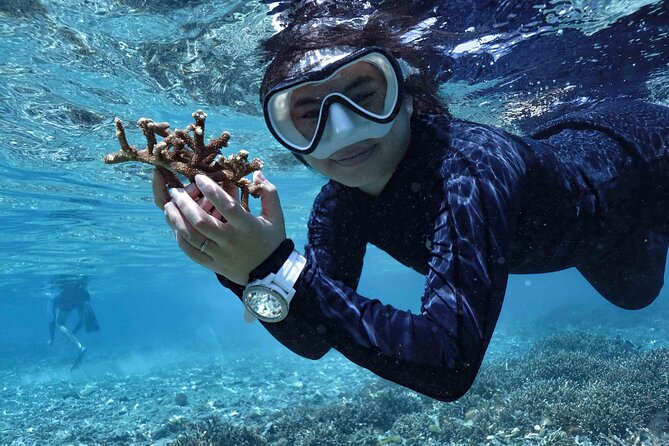
The most unusual part of this Nusa Penida outing is the scale of your hands-on work. You do not simply look at a reef or pay for a symbolic coral certificate. You collect fragments, prepare ropes, learn underwater knots, and plant 70 corals across 4 square meters of seabed.
I like the clear local connection, with Nyoman, Festi, and the team sharing their seven-year restoration work. I also like the useful mix of three guided snorkeling sessions, reef education, a local lunch, and practical conservation. The main consideration is physical: you need to swim comfortably and have moderate fitness, and six hours in the water can feel long if you prefer a relaxed beach day.
Key points at a glance
- Plant 70 corals yourself: Each participant helps restore about 4 square meters of reef by hand.
- Learn before you work: A coral presentation explains coral biology, ocean conditions, nurseries, and reef recovery.
- Three guided snorkeling sessions: You see the nursery, collect fragments, and help place prepared coral on the seabed.
- Real community involvement: Saturday departures include a visit to a local school, English teaching, and conservation work with children.
- A useful all-in price: Lunch, snorkeling equipment, restoration materials, and a gift for local children are included.
- Small-group setting: The maximum group size is 10, which suits an active conservation lesson better than a large boat excursion.
A six-hour lesson with a job to do
This is a rare kind of water activity because you have a clear task from the start. The goal is not simply to see fish, take pictures, and head back to shore. You learn how coral restoration works, then help carry out the work yourself.
The local team has spent seven years developing its coral restoration effort. That background matters. Reef work depends on conditions such as water movement, coral health, and the way fragments are secured. You are not being handed a souvenir fragment and sent home. You are shown how the pieces are collected, tied, and placed.
The experience begins at Ecotourism Nusa PenidaBuyuk on Jalan Ped, Nusa Penida. It also ends back at this meeting point, so plan your day around getting there and returning there. Transport to or from the meeting point is not listed as part of the experience, so you should arrange that separately if needed.
The group limit of 10 is a real advantage. You should have a better chance to hear the explanation, ask questions, and get help with the underwater work than you would in a large activity group. It also keeps the conservation work more focused and less disruptive.
More snorkelling spots near Nusa Penida:
- ️Nusa Penida by Private Boat – Snorkeling 4 spots, Swim with Mantas + Land Tour
★ 5.0 · 6,424 reviews - Nusa Penida day trip: boat, 4 snorkeling, Manta rays & Land tour
★ 5.0 · 2,033 reviews - Nusa Penida Snorkeling Adventure (Private & All-Inclusive)
★ 5.0 · 1,197 reviews
Understanding coral before touching it
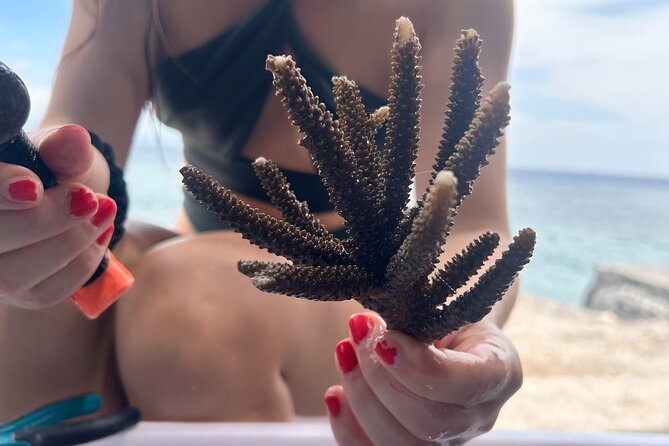
The first teaching session covers coral biology, the value of coral ecosystems, and the ocean conditions that affect reef recovery. This introduction gives the rest of the day some purpose. Once you know why coral fragments are grown in nurseries and how damaged areas can be repaired, the practical work makes more sense.
I especially like that the course deals with both the living organism and the surrounding ecosystem. Coral is not just a colorful object on the seabed. It provides structure for marine life, and its health depends on water conditions and careful handling.
The presentation is also useful for anyone who has snorkeled before but never understood what they were seeing. You will learn what a nursery does, why fragments are cultivated, and how restoration teams move coral from a growing area to a reef site.
The tour is educational, but it does not appear designed as a classroom lecture lasting all morning. The teaching leads directly into the water and the work. If you want a long scientific course with detailed marine biology, you may find the format fairly introductory. If you want enough background to take part responsibly, it should fit well.
Seeing the coral nursery up close
One of the strongest parts of the day is the nursery visit. Here you see how coral fragments are cultivated before they are placed on the reef. That makes the restoration process easier to understand than a simple before-and-after explanation.
The nursery also gives you a chance to see the care needed to rebuild a damaged area. You will not plant random pieces wherever you like. The work follows a process: inspect and collect fragments, prepare the materials, secure the coral, and place it in the restoration area.
This stop connects the lesson to the sea beneath you. You can see that reef repair is gradual and physical. A restored area is built from many small actions rather than one dramatic fix.
The exact nursery layout and coral species are not specified, so you should not expect a particular coral garden or a guaranteed list of marine animals. The emphasis is on the restoration method and your participation.
Three snorkeling sessions with a purpose
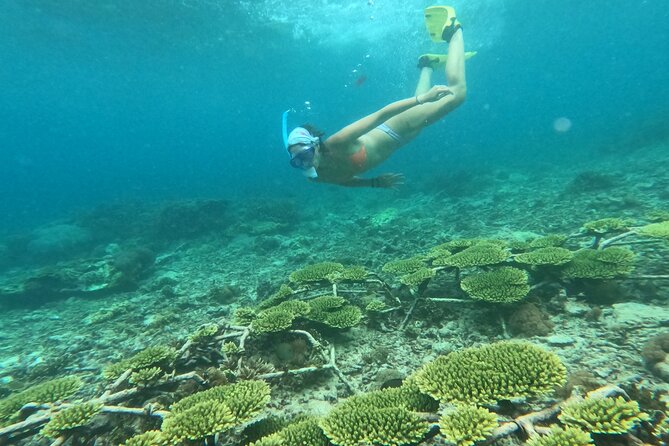
The experience includes three guided snorkeling sessions, each tied to the conservation work. That is more useful than one short swim because the water time is divided around different stages of the activity.
The first session helps you see the nursery and understand where coral fragments are grown. You then harvest fragments for planting. The next steps involve preparing ropes and attaching coral pieces, followed by planting the finished sections on the seabed.
The snorkeling is therefore active rather than purely scenic. You may spend time handling materials, following instructions, and concentrating on the work. If you want a carefree swim with no task, this may feel more structured than a standard snorkeling trip.
You need to swim comfortably. The tour does not say that it is suitable for non-swimmers, and the planting work takes place in the water. Snorkeling equipment is provided, which removes the need to bring your own mask and related gear, but you still need to feel at ease in the sea.
A moderate fitness level is required. The six-hour duration includes teaching, snorkeling, preparation, lunch, and conservation work, but it is still a full half-day activity. Consider your comfort with repeated time in the water before booking.
More Nusa Penida island days:
- Nusa Penida All-Inclusive Day Trip
★ 5.0 · 3,489 reviews - Bali Nusa Penida West Private All-Inclusive Tour
★ 5.0 · 1,277 reviews - Open Water Course in Nusa Lembongan – Get Certified on remote island (next Bali)
★ 5.0 · 864 reviews - Nusa Penida One Day Trip with All-inclusive
★ 4.5 · 743 reviews
Harvesting fragments and preparing the ropes
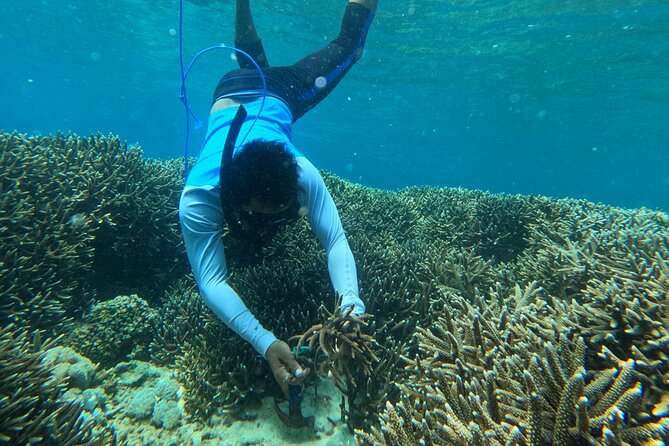
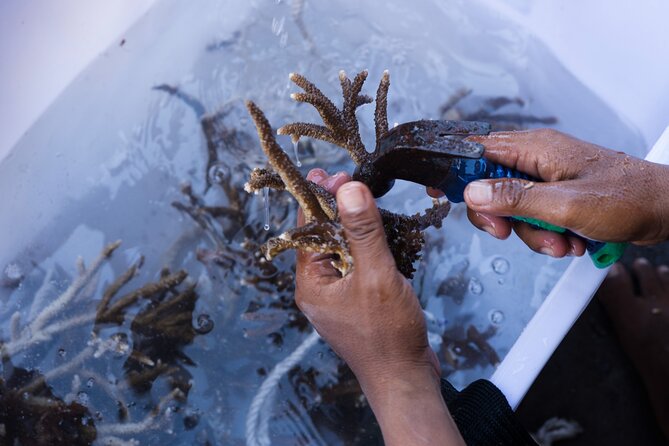
After seeing the nursery, you help harvest coral fragments for the restoration work. The practical value of this step is clear: you get to handle the material that will later become part of the reef.
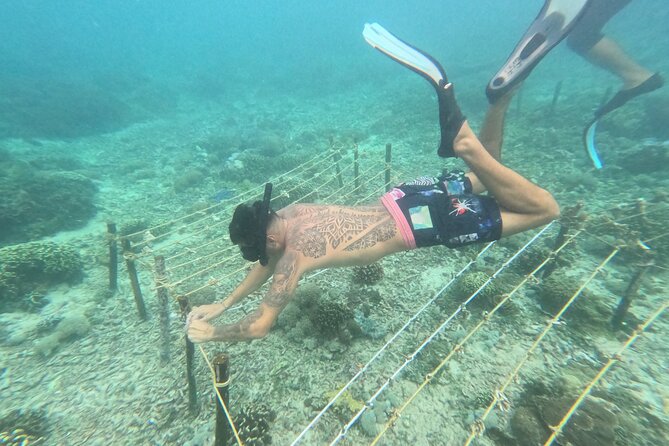
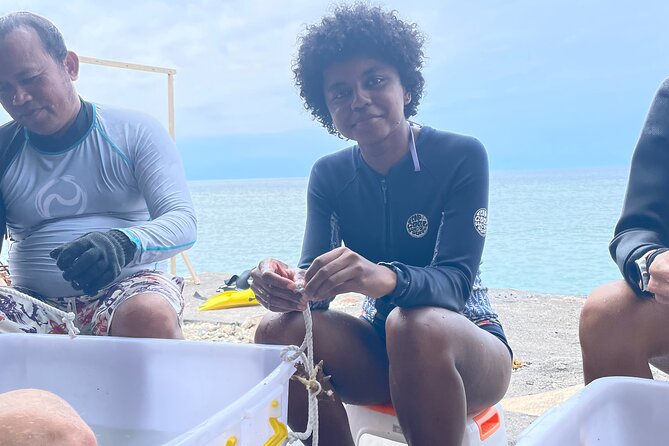
The ropes are prepared using the collected fragments. You also learn how to tie knots underwater. This small skill makes the activity feel more like fieldwork than a staged demonstration. You are learning a technique needed to secure the coral in place.
The knot lesson may be one of the most memorable details for people who enjoy learning by doing. It also requires patience. Underwater knots can be awkward, especially when you are managing equipment, watching your hands, and following safety instructions.
Do not expect every part of the process to be quick or tidy. Coral restoration involves careful handling and repeated steps. The pace may feel slower than a typical sightseeing tour, but that is part of the point. The reef benefits from careful work, not rushed gestures.
Planting 70 corals across 4 square meters
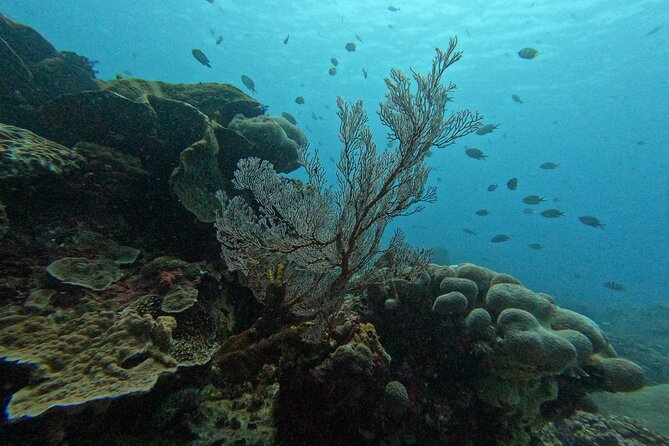
The main task is planting 70 corals per person, covering about 4 square meters of reef. This is an unusually specific personal contribution. You can understand the scale of your work because you are given both a coral count and an area.
That number also explains why the activity takes several hours. You are not placing one coral for a photograph. You are helping prepare and secure many fragments, with the team guiding the process.
The work gives you a stronger connection to the site than a standard snorkeling stop. You can leave knowing exactly what you contributed, rather than simply feeling that part of the ticket price may support conservation.
At the same time, you should keep expectations realistic. Planting corals does not guarantee that every fragment will survive. Ocean conditions can change, and reef restoration is a long process. The value of the activity is your direct contribution and the local program behind it, not a promise of instant reef recovery.
Lunch at Coral Cafe
Lunch at Coral Cafe breaks up the water work and gives you time to rest. It is included, so you do not need to budget for a separate meal during the activity.
A local lunch also adds a community element to the day. This is not just a marine lesson detached from island life. The experience connects reef work with local food, local staff, and the wider community around Nusa Penida.
The meal details are not specified, so you should not book expecting a particular menu or dietary arrangement. If you have strict dietary needs, ask the operator before the day begins. Personal expenses are not included, so bring money for anything beyond the provided lunch.
Saturday adds a school and community visit
If you join on a Saturday, the program includes a visit to a local school. The group teaches English and takes part in conservation activities such as beach cleanups with the children.
This is one of the most distinctive features of the experience. It places reef care in a broader setting. Coral restoration is not treated as an isolated underwater project. It becomes part of a local effort involving children, education, and care for the coastline.
The school visit also changes the balance of the day. Saturday participants should expect more than snorkeling and reef work. The exact timing of the school visit is not provided, so keep your schedule open for the full six hours.
A gift to the local children and school is included. That gives you a simple way to support the community beyond the coral planting itself.
What the $62.61 price really covers
At $62.61 per person, the price is reasonable for a six-hour, small-group activity that combines instruction, three snorkeling sessions, lunch, equipment, materials, and hands-on labor. You are paying for more than water time.
The restoration materials are included, which is important because you are taking part in a real planting process rather than watching from the side. Snorkeling equipment is also supplied, so the main extra costs are personal expenses and getting to the meeting point.
The value is strongest for you if conservation is a main reason for booking. A cheaper snorkeling trip may give you more free swimming, but it will not offer the same direct role in reef repair. A formal conservation program might cost much more, but this experience gives you an accessible way to take part without committing to a long volunteer stay.
The price is less compelling if you mainly want scenic snorkeling or a quiet day on the water. Much of your time is spent learning, preparing materials, and following restoration steps. That structure is the reason to book, not an inconvenience to overlook.
The activity is typically booked about 38 days ahead. That suggests you should reserve early if your Nusa Penida dates are fixed, especially because the group is capped at 10 people.
Who should book this reef course
I would recommend it to you if you:
- Swim comfortably and have moderate physical fitness.
- Want a conservation activity with a clear personal contribution.
- Enjoy learning practical skills, including underwater knot tying.
- Prefer a small group to a large commercial excursion.
- Want local community contact as part of your time in Nusa Penida.
- Can give the activity a full six hours.
It suits adults and families with older children who can swim comfortably, though no minimum age is provided. For younger children or anyone uneasy in open water, the physical demands may be too much.
It is also a good fit for first-time conservation participants. You do not need to arrive as a marine specialist. The coral presentation explains the basics, and the team guides you through the work.
You may want a different activity if you cannot swim, dislike repeated snorkeling, or want a flexible schedule. The day has a defined sequence, and your involvement is essential to the experience.
Practical details before you reserve
Confirmation is provided at booking, and the activity uses a mobile ticket. The meeting point is Ecotourism Nusa PenidaBuyuk, Jalan Ped, Nusa Penida, Klungkung Regency, Bali 80771. The activity returns to that same point.
Service animals are allowed. You should still check with the operator about practical arrangements before booking, since the tour includes water work and a coral restoration site.
Free cancellation is available if you cancel at least 24 hours before the local start time. Cancellations made less than 24 hours before the start, along with late changes, are not accepted for a refund.
The most useful preparation is simple: arrive ready to swim, allow the whole six-hour window, and do not plan a tight connection afterward. Bring money for personal expenses, and ask ahead about food if you have special dietary needs.
Should you book the Nusa Penida reef course?
Book this experience if you want your snorkeling day to have a purpose. The combination of coral education, nursery work, underwater knots, lunch, and 70 planted corals gives you a clear sense of contribution for the price.
The strongest reasons to choose it are the small group, the local team’s seven years of restoration work, and the chance to help with a real reef project rather than make a symbolic donation. Saturday adds an especially personal community connection through the school visit and beach conservation work.
Skip it if you want mostly free swimming, cannot swim comfortably, or prefer a short and unstructured outing. For the right person, this is a thoughtful and practical way to spend half a day in Nusa Penida, with something useful left behind after you return to shore.
FAQ
How long does the reef rehabilitation course last?
The experience lasts approximately six hours.
Where does the activity start?
It starts at Ecotourism Nusa PenidaBuyuk, Jalan Ped, Nusa Penida, Klungkung Regency, Bali 80771, Indonesia.
Where does the activity finish?
The activity ends back at the same meeting point.
How many corals does each participant plant?
Each participant plants 70 corals, covering about 4 square meters of reef.
Is snorkeling equipment provided?
Yes. Snorkeling equipment is included.
Is lunch included?
Yes. Lunch at Coral Cafe is included.
Do I need to know how to swim?
Yes. You should be able to swim comfortably to take part.
How large is the group?
The activity has a maximum of 10 participants.
What happens on Saturdays?
Saturday departures include a visit to a local school, English teaching, and conservation activities such as beach cleanups with the children.
Can I cancel for a full refund?
Yes, if you cancel at least 24 hours before the experience start time. Late cancellations and changes made less than 24 hours before the start are not accepted for a refund.
Just added around Nusa Penida
- Bali : Nusa Penida with Lunch ,car, driver★ 5.0 · 7 reviews
- Bali 2 Days Package Nusa Penida and Ubud Tour with All Inclusive★ 5.0 · 13 reviews
- Bali 2 Days and 1 Nights of Nusa Penida and Lembongan Tour★ 5.0 · 13 reviews
- All Inclusive Nusa Penida Tour Package★ 5.0 · 10 reviews
- Snorkeling 4 Spots, Manta Rays, Tembeling Pool & Kelingking Beach★ 4.5 · 15 reviews
- All Inclusive Nusa Penida Private Tour★ 5.0 · 15 reviews
- Bali: Nusa Lembongan Snorkeling-Island Tour Daytrip-All Inclusive★ 5.0 · 3 reviews
- Nusa Penida West trip with snorkeling at 3 spot with Free Meals★ 5.0 · 15 reviews
Nusa Penida Tours, compared.
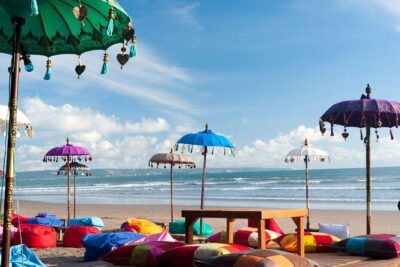
️Nusa Penida by Private Boat – Snorkeling 4 spots, Swim with Mantas + Land Tour
Read our review →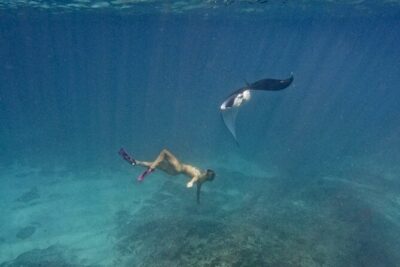
Nusa Penida day trip: boat, 4 snorkeling, Manta rays & Land tour
Read our review →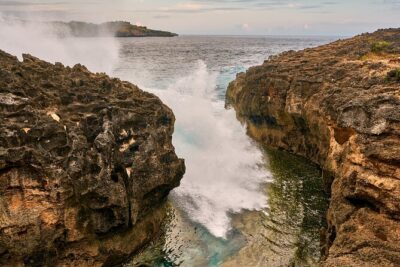
Bali Nusa Penida West Private All-Inclusive Tour
Read our review →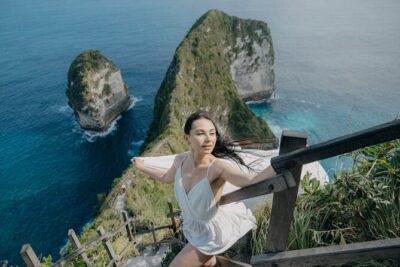
Nusa Penida Snorkeling Adventure (Private & All-Inclusive)
Read our review →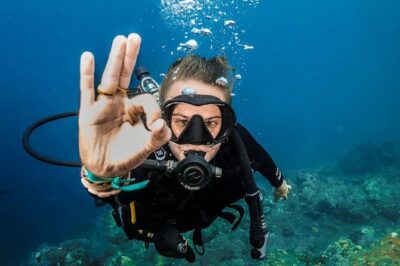
Open Water Course in Nusa Lembongan – Get Certified on remote island (next Bali)
Read our review →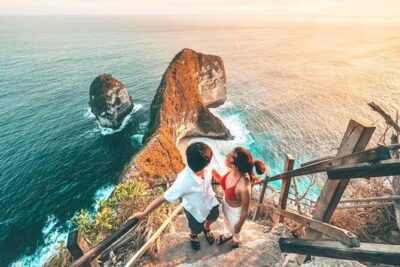
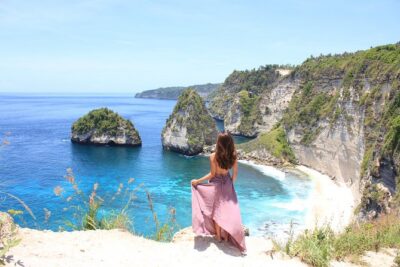
️ Nusa Penida Instagram Tour: The Most Famous Spots (Private All-Inclusive)
Read our review →Browse the lists this tour appears in