
Reviewed · NUSA DUA TOURS
Ubud Pottery Ceramic Class in Bali
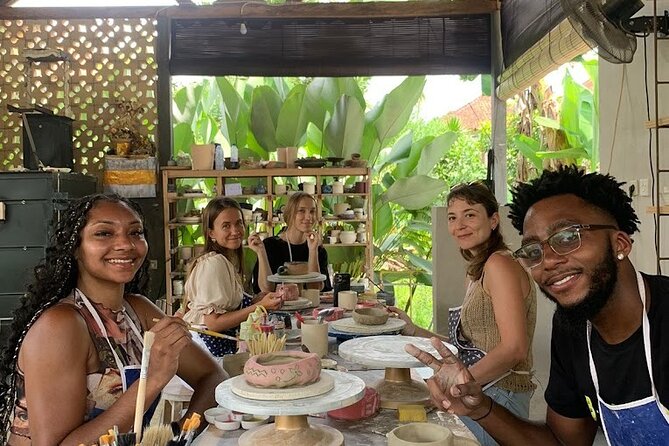
The best part of this class is that you do not just watch a craft demonstration. You sit down with 2kg of clay and make things yourself, using both the pottery wheel and hand-building methods. The class is led by local artisans in a garden setting, so the three hours feel practical and personal rather than like a quick photo stop.
I like the small maximum group of 10, which gives the mentors room to teach beginners properly. I also like the chance to make two pieces, one by hand and one on the wheel, while learning why different clays suit different jobs. The main consideration is the location: the studio is in Singapadu, around 30 minutes from central Ubud, and traffic can make that trip longer.
Key points before you book
- Two pottery methods: Make one piece by hand and another on the wheel, according to the class details.
- 2kg of clay included: You have enough material for a hands-on session rather than a token practice piece.
- Small class size: The maximum is 10 people, useful when you need help with centering clay or shaping a form.
- Garden studio setting: Tana Ampo Pottery Studio is in Central Singapadu, Sukawati, outside central Ubud.
- Plan four spare days: If you want to take your finished work home, allow at least four remaining days for the process.
- Three hours for about $31.31: That is a fair price for instruction, materials, and two making techniques, though personal expenses are extra.
Making pottery instead of simply seeing Bali
Bali offers plenty of activities built around looking: temples, rice fields, markets, and dance performances. This class gives you something different. You put your hands into the material and learn how a useful object begins as a lump of clay.
That matters because pottery is not just a souvenir craft. It is a working art form, used for jars, flower pots, vessels, and decorative pieces. The class introduces you to the basic decisions behind those objects: how clay behaves, how a form stays balanced, and how pressure from your fingers changes the final shape.
You should arrive ready to make mistakes. Clay is soft, stubborn, and wonderfully forgiving for beginners. Your first bowl may lean, your wheel-thrown piece may wobble, and your carefully intended shape may turn into something else. That is part of the appeal. The teachers take you through the basics so the process remains approachable even if you have never touched a pottery wheel.
The class is also a good counterpoint to Bali’s more passive sightseeing. You leave with a better sense of the patience and hand skill behind handmade ceramics. The cultural value is modest but real: you are learning a local craft from people who practice it, not just buying an object in a shop.
More hands-on workshops in Nusa Dua:
- Kekeb Cooking Class at Nusa Dua
★ 5.0 · 33 reviews - Ubud Cooking Class Bali with Balinese Chef
★ 5.0 · 1,609 reviews - Ubud Silver Class Jewelry making in bali
★ 5.0 · 978 reviews
At Tana Ampo Pottery Studio in Singapadu
The meeting point is Tana Ampo Pottery Studio, at C793+8PH, Central Singapadu, Sukawati, Gianyar Regency, Bali 80582. The activity begins and ends at this same point.
Pay close attention to the map before booking transport. The experience is described as an Ubud pottery class, but the studio is in Singapadu, outside central Ubud. One detailed account places the drive from central Ubud at roughly 30 minutes, with traffic able to stretch the journey. The booking information also labels the general location as Nusa Dua, so I would confirm the exact route and pickup plan before setting out.
That location is not necessarily a problem. Singapadu gives you a quieter setting than a busy shopping street, and the studio is described as having a beautiful garden. Still, the class does not include personal expenses, and no transportation is listed among the inclusions. You should budget for reaching the meeting point yourself unless your booking arrangements say otherwise.
Once you arrive, expect a working pottery studio rather than a grand attraction. That is a positive here. The point is to handle clay, listen to instruction, and spend time making something. Wear clothes and shoes that can tolerate a little mess, although the supplied information does not specify a dress code.
The first lesson: clay, pressure, and form
The class uses 2kg of clay per person. That is a useful amount for a beginner session because it allows you to try more than one approach. You are not limited to making a tiny trinket and then watching the rest of the class.
The instruction covers several basic techniques. The key methods named for this experience are wheel throwing, hand building, and molding. You should expect the mentors to show you how clay is shaped, then help you repeat the movement yourself.
Wheel throwing is the technique most people picture when they hear pottery class. You place clay on a rotating wheel and use steady hands to center it before opening and raising the walls. The difficult part is controlling pressure. Too much force collapses the piece, while too little leaves the clay uneven.
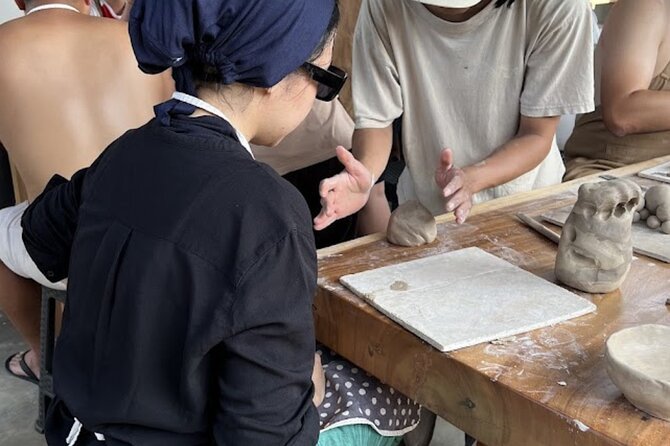
Hand building is slower and more direct. Instead of relying on a spinning wheel, you form the clay with your fingers and simple shaping movements. This method gives you more freedom to create an irregular or sculptural object, and it is often less intimidating for a first-timer.
Molding is another basic approach mentioned in the class. The available information does not specify the exact mold designs or tools, so you should think of it as part of the introduction to forming clay rather than a promised set of particular projects.
The mentors teach from the basics, which is important. Pottery looks easy when someone experienced does it. Under instruction, you begin to see the small adjustments that keep a vessel upright and smooth. The class is suitable for beginners, while anyone with pottery experience can use the time to experiment with form.
Two pieces, two different kinds of control
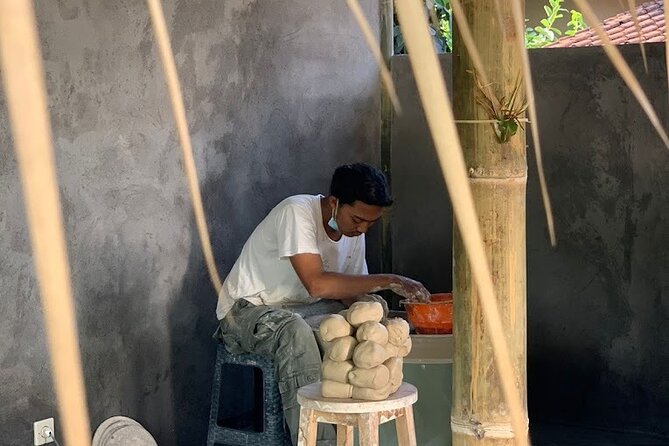
A particularly useful feature is the chance to make two pieces, one by hand and one on the wheel. This gives you a quick comparison between the two main ways of working.
The hand-built piece lets you concentrate on shape without the added challenge of keeping clay centered on a wheel. You can focus on the feel of the material and how your fingers create texture or curves. It is also the method most likely to produce a personal, slightly irregular object.
The wheel piece tests coordination. You need to work with the rotation, keep your hands steady, and make small changes rather than forcing the clay. It may take several attempts to get a clean form, especially if this is your first wheel session.
I like this two-piece format because it turns the class into a real introduction rather than a single repeated exercise. You get a taste of both control and freedom. You also learn quickly that pottery is not only about artistic ideas. It depends on moisture, balance, timing, and touch.
The class details say you can add personal touches to your work. The exact decoration and finishing choices are not specified, so do not book expecting a particular glaze palette or firing style. Your pieces will reflect the technique you learn and the decisions you make during the session.
A few more Nusa Dua half-days to weigh up
- ️ Bali Instagram Tour: The Most Famous Spots (Private & All-Inclusive)
★ 5.0 · 2,857 reviews - Nusa Penida Snorkeling Adventure (Private & All-Inclusive)
★ 5.0 · 1,197 reviews - Nusa Penida One Day Trip with All-inclusive
★ 4.5 · 743 reviews - Bali Instagram Tour – Lempuyang Bali Gate of Heaven
★ 5.0 · 149 reviews
What the three hours are really worth
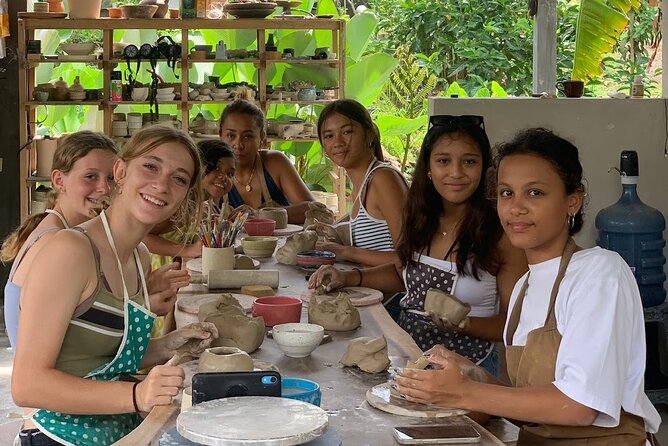
At about $31.31 per person, this is a reasonably priced creative activity. The cost includes the guided pottery class and 2kg of clay. For three hours of instruction and hands-on work, the price compares well with short craft activities that offer only a demonstration or a single small souvenir.
The value is strongest if you want participation. You are paying for access to materials, teaching, and time at the wheel, not simply for a finished ceramic object. That distinction matters. Pottery can produce uneven results, especially for a first attempt, but the lesson remains worthwhile even if your bowl looks more artistic accident than dinnerware.
A class of no more than 10 people also supports the price. Pottery needs one-to-one correction at times. Someone may need help centering the clay, opening the middle, or rescuing a wall that has started to buckle. A very large class would make that harder.
Personal expenses are not included. The activity ends back at the meeting point, and no transfer is listed. Add the cost of getting to Singapadu when you compare this class with activities closer to your hotel.
The experience is rated 4.7 overall from seven ratings, a strong signal for a small activity, though the number of ratings is limited. I would treat that score as encouraging rather than decisive. The clearest praise centers on the helpful teaching, the enjoyable atmosphere, and the garden setting.
Allowing time for finished pottery
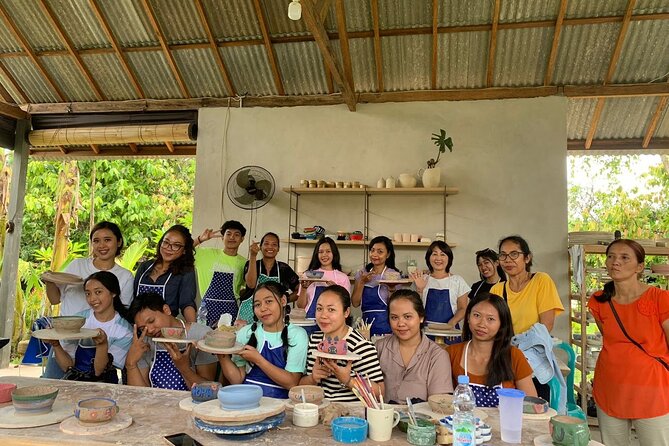
Here is the most important practical tip: if you want to take your work home, have at least four days remaining in Bali.
That warning suggests your pieces need additional time after the class, likely for finishing and firing, though the supplied details do not spell out each production step. Do not schedule this on your final day and expect to carry the finished ceramics to the airport.
You also need to understand what taking home your work may involve. The class includes clay and instruction, but it does not explicitly list shipping, packaging, or finished-piece delivery as included services. Ask the studio what happens after the class, when the pieces will be ready, and how you will collect them.
If your schedule is tight, the class can still work as a creative lesson, but you may not be able to take the pottery with you. That is a meaningful difference. Some people care most about the activity itself. Others choose a pottery class mainly to bring home something made in Bali.
Plan the class early enough in your stay to leave room for the follow-up process. Four days is the stated minimum, not a promise that every piece will be ready at a convenient hour.
The garden setting and the pace of the lesson
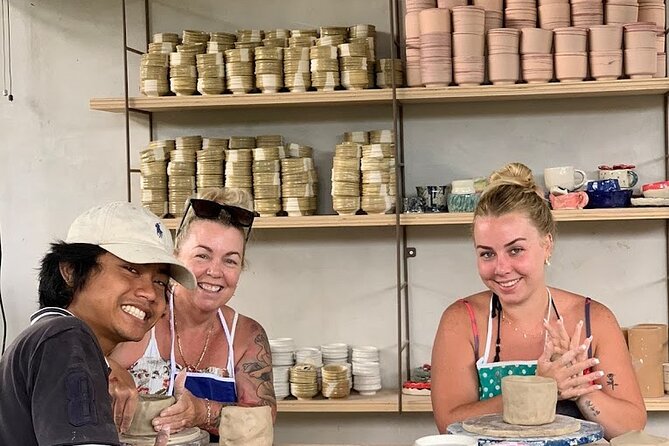
The studio is described as being in a beautiful garden. That setting should make the class feel calmer than an indoor workshop beside a busy road. You have time to concentrate on the clay, listen to the instructor, and enjoy a slower side of Bali.
The atmosphere is one of the strongest reasons to choose this activity. Pottery rewards patience, and a quiet outdoor setting suits that pace. It also gives the class a local character without requiring a long cultural lecture.
The teaching team is described as young, helpful, creative, and fun. The available information does not provide their names, so I cannot tell you which particular instructor will lead your session. What matters for your decision is that the class is built around direct guidance rather than a self-led table of materials.
The class has enough structure to help a complete beginner, but it still leaves room for personal choices. You choose the shapes and touches within the limits of the techniques. That balance makes it suitable for couples, friends, and families looking for an educational activity beyond sightseeing or shopping.
Most people can participate, according to the booking information. Specific details about wheelchair access, seating, or accommodations are not provided, so anyone with mobility concerns should ask the provider before booking.
Who will enjoy this class most
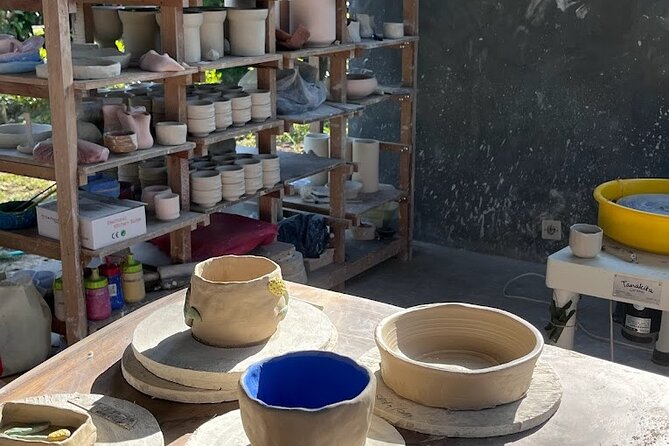
I would recommend this class to you if you want an activity that slows the day down and gives you something to do with your hands. It suits first-time potters especially well because the instruction starts with the basics and the small group limit should make questions easier.
It also works well for friends on holiday. Making two different pieces gives each person room to try separate ideas, and the results can become a shared reminder of the trip. Families may like the educational angle, particularly if children are old enough to follow instructions and work carefully with clay.
Couples can treat it as a relaxed shared project, though the experience is not described as a private class. If you want exclusive instruction, ask about that before booking rather than assuming it is available.
Experienced potters may find the basic teaching familiar. The class could still appeal if you want to work with Bali-based artisans and enjoy the setting, but the material is clearly aimed at a broad range of ability levels rather than advanced ceramic technique.
I would be cautious about booking it for a very short Bali visit. The drive to Singapadu takes time, traffic can add more, and the four-day window for taking home your work requires planning.
Booking, cancellation, and timing advice
Confirmation is received at the time of booking, and the activity uses a mobile ticket. Keep the ticket available on your phone and check the meeting address carefully, especially because the general location and the exact studio address do not match neatly.
The activity runs for about three hours. Allow extra time around it for the journey to Singapadu and for traffic. The class ends at the meeting point, so do not assume a hotel drop-off.
You can cancel for a full refund if you do so at least 24 hours before the local start time. Cancellations or changes made within 24 hours are not refunded or accepted. That policy is fairly flexible for a planned activity, but it is worth setting a reminder if your Bali schedule may shift.
The class is often booked about six days ahead on average. That does not guarantee availability, but it is a useful sign that you should not leave the decision until the last minute if your dates are fixed.
Should you book the Ubud pottery class?
Book it if you want hands-on time with a local craft, prefer a small group, and can spare three hours plus the journey to Singapadu. The combination of 2kg of clay, two making methods, beginner-friendly teaching, and a garden studio gives you more substance than a quick craft demonstration.
Skip it if you need a central Ubud activity, require included transport, or leave Bali in fewer than four days. The location needs careful planning, and taking home your work may not be possible on a rushed itinerary.
For the price, I think this is a good choice for a creative break from temples, shopping, and sightseeing. Go with realistic expectations: you are buying a lesson and a memorable making session, not a guaranteed professional-quality vase. If that sounds like the right kind of souvenir, book it early in your stay and confirm the studio route before you go.
FAQ
Where does the pottery class take place?
The class meets at Tana Ampo Pottery Studio, C793+8PH, Central Singapadu, Sukawati, Gianyar Regency, Bali 80582, Indonesia. It ends back at the same meeting point.
Is the class in central Ubud?
No. The studio is in Singapadu, Sukawati, outside central Ubud. The drive from central Ubud is about 30 minutes, though traffic can make it longer.
How long does the pottery class last?
The activity lasts approximately three hours.
How much clay is included?
The class includes 2kg of clay per person.
Can beginners join?
Yes. The class teaches the basic techniques, and most people can participate. The maximum group size is 10 people.
Can I take my pottery home?
You need at least four remaining days if you want to take your work home. The supplied information does not specify the exact collection, finishing, or delivery arrangements, so ask the studio about those details.
What happens if I need to cancel?
You can receive a full refund if you cancel at least 24 hours before the local start time. Cancellations and changes made less than 24 hours before the start are not accepted or refunded.
Just added around Nusa Dua
- Bali Water Sports Adventure★ 4.5 · 38 reviews
- Parasailing Adventure watersport all include★ 3.5 · 6 reviews
- Best of Bali Private Shore Excursions★ 4.0 · 7 reviews
- Bali Parasailing – Banana Boat – Jet Ski★ 4.0 · 13 reviews
- Bali Traditional Dance, Waterfall and Hindu temple with lunch★ 5.0 · 17 reviews
- Bali Sea Walker Under Water Experience With Hotel Transfer★ 5.0 · 18 reviews
- Bali Hindu temple, Rice terrace, Waterfall -All Inclusive★ 5.0 · 32 reviews
- Bali Sea Walker★ 5.0 · 6 reviews
Nusa Dua Tours, compared.

️ Bali Instagram Tour: The Most Famous Spots (Private & All-Inclusive)
Read our review →
Nusa Penida Snorkeling Adventure (Private & All-Inclusive)
Read our review →

Bali Instagram Tour – Lempuyang Bali Gate of Heaven
Read our review →
Bali Parasailing Adventure,Banana Boat,Jet Ski and Donut Boat with Transfers
Read our review →

Mount Batur Sunrise Trekking and Rice Terrace Adventure
Read our review →
Browse the lists this tour appears in