Reviewed · TICKETS
Nusa Dua: Museum Pasifika Admission Ticket with Audio Guide
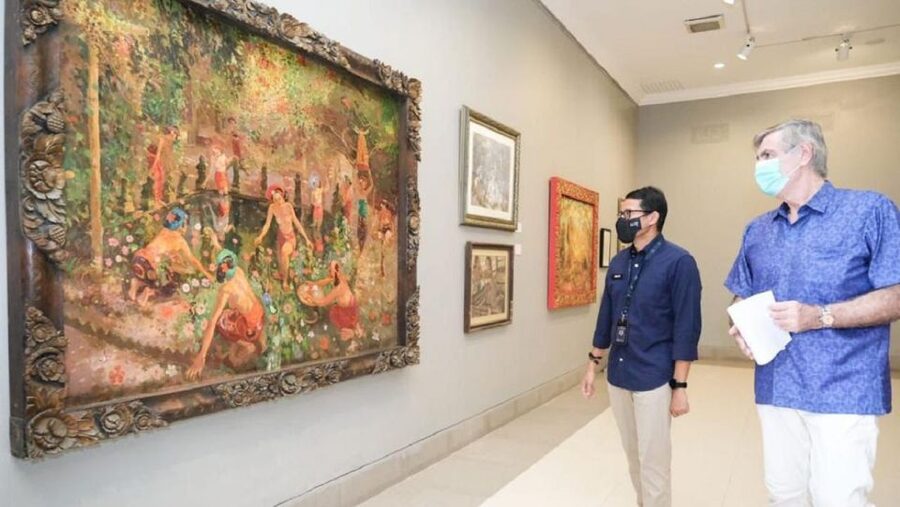
Museum Pasifika gives you a calm, curious look at art from Indonesia, Asia, and the Pacific, all under one roof in Nusa Dua. You can move at your own pace through paintings, sculptures, woodcuts, and the remarkable Michoutouchkine and Pilioko collection, with more than 600 works by about 200 artists.
I like the wide cultural range and the chance to see Indonesian masters such as Raden Saleh, Lempad, Affandi, Hendra, and Kobot in one visit. I also like the low $7 price, which makes this an easy add-on to a beach day, especially with tea, coffee, infused water, and a cold towel included.
The main concern is the museum’s condition. One recent visitor found some beautiful art but felt the visit was underwhelming because the works were not well protected from Bali’s humidity, and the galleries had no air-conditioning with doors left open. This is best approached as a quiet, modest museum visit, not a polished major-city gallery.
Key points to know before you go
- More than 600 artworks cover Indonesian, Asian, European, and Pacific art.
- The Michoutouchkine and Pilioko collection includes about 200 Pacific sculptures from 10 nations.
- The audio guide is optional, with English and Indonesian available.
- Indonesian masters include Raden Saleh, Lempad, Affandi, Hendra, and Kobot.
- Children aged 0 to 11 enter free, making this a practical family stop.
- Tea, coffee, infused water, a cold towel, parking, Wi-Fi, and a café are available onsite.
Starting at Museum Pasifika in Nusa Dua
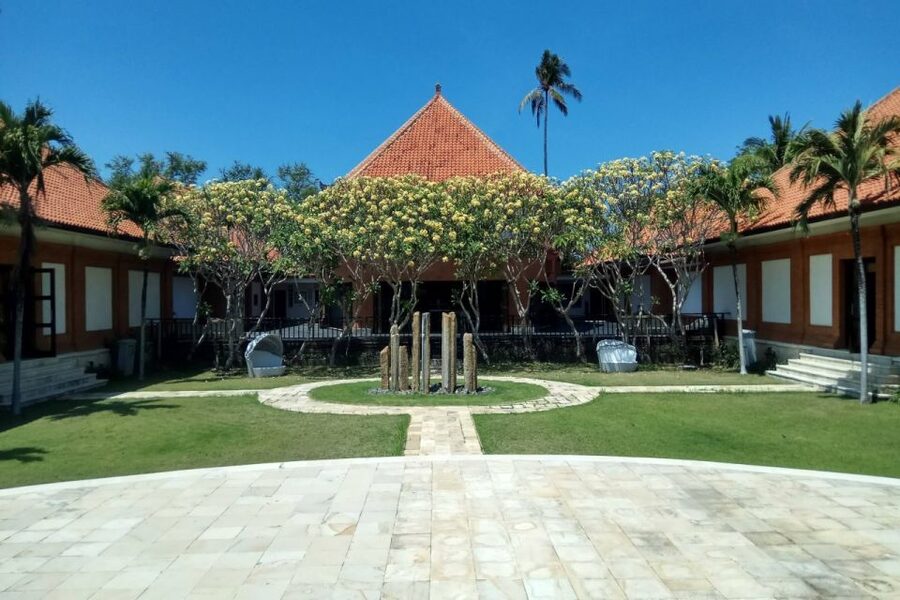
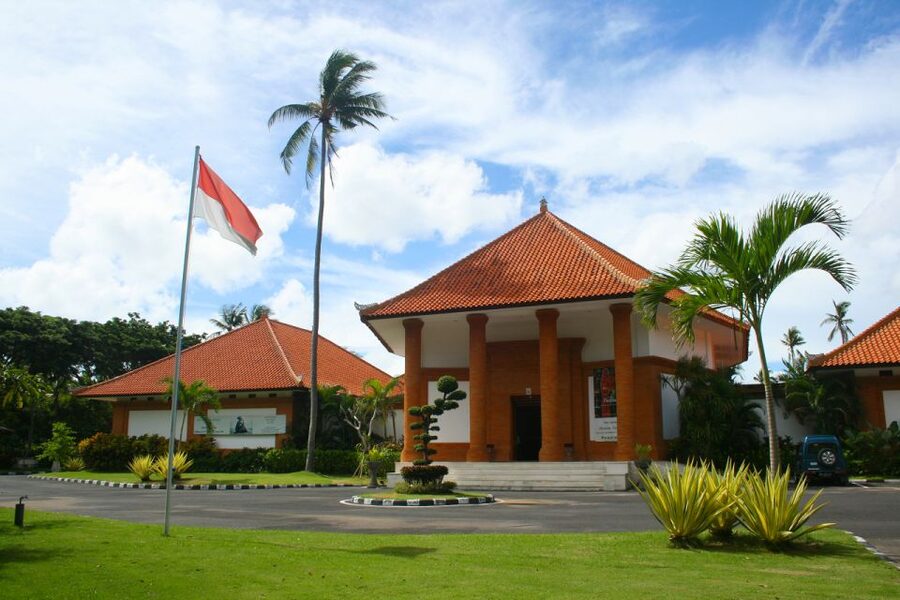
You begin at the reception area of Museum Pasifika in Nusa Dua. Show your ticket there, then enter the galleries for a self-guided visit valid on your chosen date.
This is not a scheduled tour with a named guide or a fixed route. You decide how long to spend in each room. That freedom suits people who like to stop for a long look at one painting, skip a display that does not appeal, or return to a work after seeing the rest of the museum.
The setting is designed for a relaxed visit. One of the clearest strengths is the quiet atmosphere. You are not being rushed from room to room, and the museum can provide a welcome change from Nusa Dua’s resorts, shopping areas, and organized excursions.
The ticket is valid for one day, but the supplied information does not give a fixed visit length or a required starting time. Check availability when booking. Since you are free to set your own pace, allow enough time to use the audio guide if you want more background on the works.
More museums and galleries in Bali:
- ARMA Museum Visit
★ 4.5 · 46 reviews
Seeing Indonesian masters and local artistic traditions
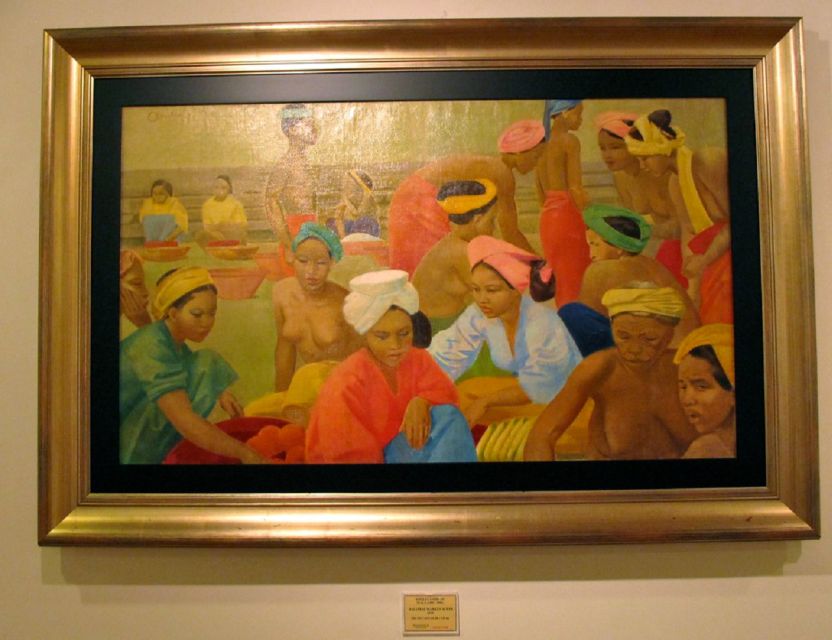
The Indonesian section is one of the most important reasons to visit. The museum presents works by more than 50 Indonesian artists, giving you a look at different approaches within Indonesian art rather than a single narrow style.
Names to look for include Raden Saleh, Lempad, Affandi, Hendra, and Kobot. Their presence gives the collection weight, particularly if you want more than a quick look at decorative pieces associated with Bali.
The museum’s Indonesian holdings also help place Bali within a wider national setting. You are not limited to art from the island. Instead, the collection points toward the range of Indonesian artistic traditions and the ways artists have handled local subjects, people, culture, and daily life.
This part of the visit rewards patience. I would use the audio guide here, especially if you do not already know the artists. Without explanation, a large collection can become a sequence of names and images. With commentary, you have a better chance of understanding why particular artists matter and how their work fits into Indonesian art.
European artists inspired by Bali and Asia
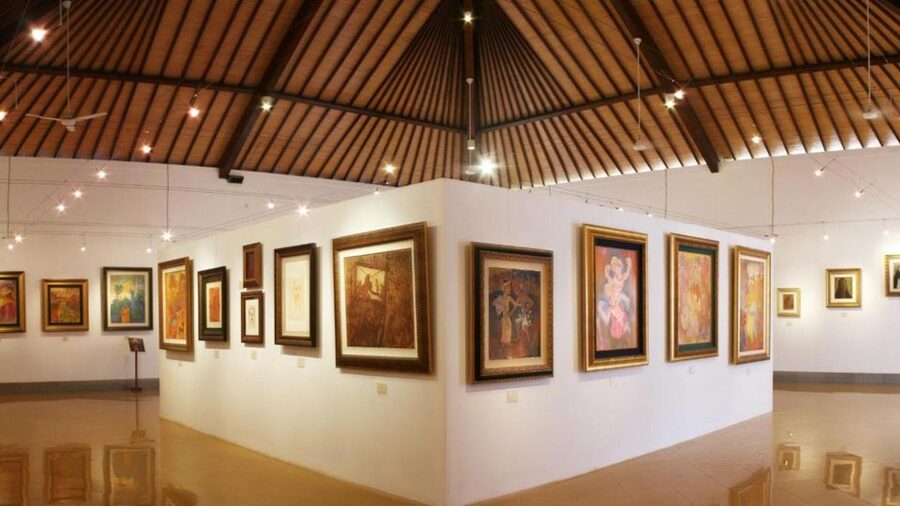
Another section focuses on Indo-European artists who worked in, or drew strong inspiration from, Indonesia and the wider Asian continent. This gives the museum a second viewpoint: you are seeing how European artists responded to Bali, its people, and its visual culture.
The rooms include Italian, French, and Dutch creators such as Walter Spies, Miguel Covarrubias, Jean Le Mayeur, and Charles Sayers. These artists are useful to compare with the Indonesian works nearby. You can consider what changes when Bali is shown by an outside artist, and what details may be romanticized, simplified, or freshly observed.
The museum also displays work by Indonesian students of the Beaux-Arts School of Hanoi. That connection broadens the story beyond Bali and places Indonesian art within a wider Asian setting. These works have received attention in international exhibitions and publications, according to the museum information.
This section should appeal to you if you enjoy cultural exchange in art. It is not simply a collection of paintings from separate countries. The displays connect Indonesia with Europe and Vietnam, showing how artists, schools, and ideas crossed borders.
The Michoutouchkine and Pilioko Pacific collection
The most distinctive part of the museum is the Michoutouchkine and Pilioko Collection of Premier Art of Oceania. It contains around 200 sculptures from 10 Pacific nations, collected over 50 years by the two artists.
That scale makes this more than a small side display. The collection gives you a sustained look at Pacific sculpture, with objects from several island nations gathered in one place. For many people, this will be the least familiar part of the museum and the section most likely to add something new to a Bali itinerary.
Sculpture changes the rhythm of the visit. After rooms of paintings, you encounter three-dimensional forms that require you to walk around them and study their shapes from different angles. The collection also raises useful questions about how Pacific art is collected, presented, and understood outside its original setting.
The information describes this as one of the most complete collections of its kind worldwide. You should still approach that claim as a description of the collection’s scope, not as a promise of a major international museum experience. The museum is relatively inexpensive and relaxed, but its facilities may feel basic.
More self-guided routes in Bali:
- Backlanes and Hidden Sites: A Self-Guided Audio Tour in Seminyak
★ 5.0 · 6 reviews
The Legendary Western Artists Exhibition
The Legendary Western Artists Exhibition brings another set of connections to the museum. Here, you can see sculptures and woodcuts by Paul Gauguin from his Tahiti period, along with works by Henri Rousseau, Henri Matisse, Auguste Rodin, Marvina Hoffmann, and Bernard Buffet.
The common thread is Asia or the Pacific as a source of inspiration. Gauguin’s Tahiti period gives the display a direct link to Oceania, while the other artists show different responses to non-European places and cultures.
This room may interest you if you already know modern European art and want to see it placed beside Indonesian and Pacific work. It also helps explain the museum’s broad purpose. Museum Pasifika is not limited to one national school or one period. It brings together works connected by travel, influence, collecting, and artistic interpretation.
Do not expect every famous name to be represented by a large or exhaustive body of work. The supplied details identify sculptures and woodcuts by Gauguin and works by the other artists, but they do not specify the number, size, or exact medium of every piece. Treat this as a focused exhibition within the larger museum.
Using the English or Indonesian audio guide
The audio guide is available in English and Indonesian, and it is optional. That matters because the museum covers many artists, regions, and periods. A short explanation can make the difference between simply viewing an object and understanding its place in the collection.
You can use it selectively rather than listening to every entry. I would save it for the Indonesian masters, the Pacific sculptures, and any artist whose name you do not recognize. That keeps the visit from becoming tiring and lets you spend more time with the pieces that interest you.
There is no live guide listed for this experience, so the audio guide is the main source of interpretation during your visit. If you prefer a personal guide who adjusts explanations to your interests, this ticket may feel limited. If you like quiet sightseeing and independence, it is a good fit.
The languages are practical for international and Indonesian visitors. Still, the available information does not state how many audio stops there are or whether the guide covers every work. Think of it as useful context, not a complete lecture on the entire collection.
Museum condition and the humidity question
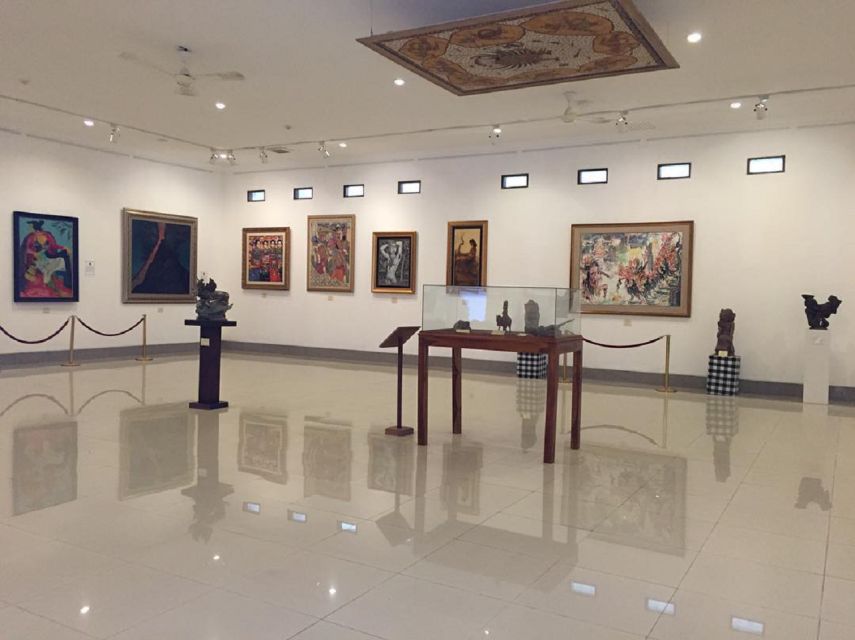
The museum’s facilities deserve honest attention. A recent visit in October 2025 was described as great, nice, and quiet, which matches the appeal of a peaceful gallery. Another visit raised a serious concern: some art was not well protected, the building had no air-conditioning, and open doors did little to help with Bali’s humidity.
Humidity is not a minor issue for paintings, woodcuts, and sculptures. Bali’s tropical conditions can be hard on artworks, particularly when climate control is limited. If you are highly focused on conservation standards, this may make you hesitate.
I would keep expectations realistic. Museum Pasifika offers a valuable collection at a low admission cost, but it may not feel like a fully climate-controlled European or North American museum. The condition of the building can affect how polished the visit feels, even when the art itself is worthwhile.
This is also why I would avoid treating the museum as a full-day attraction. The ticket is valid for one day, but most people will probably use it as a focused cultural stop within a Nusa Dua schedule. Pair it with nearby plans rather than building an entire day around it.
What the $7 ticket includes
At about $7 per person, the admission is easy to justify for anyone with a serious interest in art or Pacific culture. You receive entry, access to the available audio guide, a refreshment, a cold towel, and a choice of tea, coffee, or infused water.
Those extras are small, but they improve the practical value. A cold towel and drink are welcome in Bali, especially if you have been outside before arriving. The café gives you another reason to pause onsite instead of leaving at once.
Children aged 0 to 11 enter free. That makes this a sensible family option, although younger children may not stay interested through all the rooms. The audio guide can help older children engage with selected pieces, particularly the sculptures and unusual objects.
Free Wi-Fi and a large parking area add convenience. Hotel pickup and drop-off are not included, so you need to arrange your own transport to Nusa Dua. The ticket is not a transfer service or a guided sightseeing circuit.
Who will get the most from this visit
I would recommend Museum Pasifika to you if you want a quiet cultural break from resort time, or if you are curious about Indonesia and the Pacific but do not want to commit to a long organized tour.
It suits:
- Art lovers who enjoy comparing Indonesian, European, and Pacific work
- Visitors interested in Raden Saleh, Lempad, Affandi, Hendra, or Kobot
- People who want a self-guided museum with English or Indonesian audio
- Families looking for a low-cost indoor activity with free entry for children under 12
- Visitors with a spare part of the day in Nusa Dua
- Anyone drawn to Pacific sculpture and Oceanic collections
It may not suit you if you want a polished, heavily air-conditioned museum with strict conservation controls or a live specialist guide. The museum’s quiet mood will please some people and disappoint others. One visitor called it nice and quiet, while another found the experience underwhelming because of the building and display conditions.
Practical details for a smoother visit
Show your ticket at the museum reception. The ticket is valid for the visit date, and you should check availability for the starting times offered when you book.
The museum and its facilities are wheelchair accessible, including access for motorized wheelchairs. Flash photography, tripods, weapons, and sharp objects are not allowed. These rules protect both the art and the comfort of other people in the galleries.
Plan to use the café and refreshment stop as part of your visit, not as a replacement for a meal. The included options are tea, coffee, or infused water, along with a cold towel.
If you are sensitive to heat or humidity, carry that fact into your decision. The lack of air-conditioning noted in a recent visit may make the galleries less comfortable than expected. A shorter, focused visit can help.
The ticket offers free cancellation up to 24 hours in advance and a reserve-now, pay-later option. Those terms are useful if your Nusa Dua plans may change.
Should you book Museum Pasifika?
Book it if you want an inexpensive and independent art visit with unusual Pacific sculpture, Indonesian masters, and European artists linked to Asia and Oceania. At $7, the ticket offers a lot of subject matter, plus a drink, cold towel, parking, Wi-Fi, and free admission for children aged 0 to 11.
Go with measured expectations about the facilities. The art collection is the main reason to come, while the building may feel basic and humidity control may be a concern. I would give it a few hours at most, use the audio guide selectively, and treat it as one thoughtful stop in Nusa Dua rather than the centerpiece of your entire Bali itinerary.
FAQ
Where is Museum Pasifika located?
Museum Pasifika is in Nusa Dua, Bali, Indonesia.
How much does admission cost?
The admission price is $7 per person.
How long is the ticket valid?
The ticket is valid for one day, specifically the visit date selected when booking.
Is the audio guide included?
An audio guide is available for the visit, with English and Indonesian language options. The activity information also describes it as optional.
Is there a live tour guide?
No live guide is listed for this activity. The visit is self-guided, with an optional audio guide available.
Do children need a ticket?
Children aged 0 to 11 can enter free of charge.
Is the museum wheelchair accessible?
Yes. The galleries and facilities are accessible for wheelchairs and motorized wheelchairs.
What is included with admission?
The ticket includes admission, an audio guide, a refreshment, a cold towel, and a choice of tea, coffee, or infused water. Hotel pickup and drop-off are not included.
Just added around Bali
- Overnight Mount Ijen Blue Fire Trekking Tour From Bali★ 4.0 · 14 reviews
- Keliki Village Tour And Rice Field Walk Including Lunch Or Dinner★ 5.0 · 3 reviews
- Ubud Tour with all includes★ 5.0 · 3 reviews
- Jungle Buggy Adventure and Ubud Tour★ 5.0 · 6 reviews
- Exclusive Ubud Jewelry Making: Craft with a Pro Silversmith!★ 5.0 · 37 reviews
- Mount Batur Jeep Tour★ 5.0 · 30 reviews
- Jungle Swing – Volcano – Water Temple – Monkey Forest and Waterfall Tour★ 5.0 · 11 reviews
- Jatiluwih in detail (1 h. e-bike tour in the rice terraces)★ 4.0 · 5 reviews
Tickets, compared.

Tanah Lot Temple Sunset Kecak & Fire Dance Show Ticket
Read our review →

Skip the Line Tirta Empul Temple Entrance Ticket All Inclusive
Read our review →