Reviewed · UBUD TOURS
Bali Purification Ritual
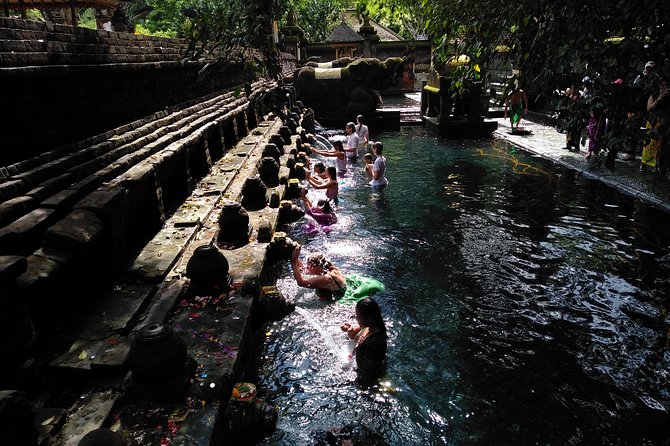
Tirta Empul is not just a pretty temple with fountains. It is a working place of Balinese Hindu worship, and this five-hour outing lets you take part in a purification ceremony with offerings, prayer, traditional dress, and time in the sacred springs. The guide explains each step, which matters when the ritual is unfamiliar.
I like the door-to-door transport, especially for a morning visit from Ubud, and I like that lunch, bottled water, temple clothing, and ritual offerings are included. Guides such as Wayan have been praised for leading the ceremony carefully and explaining its meaning in clear terms.
The main consideration is that this is a religious ceremony, not a casual splash in a famous pool. You need to follow temple rules, bring dry clothes and a towel, and women cannot enter the temple during menstruation. The group can reach 25 people, so the mood may feel less private than the ceremony itself.
Key points to know before you book
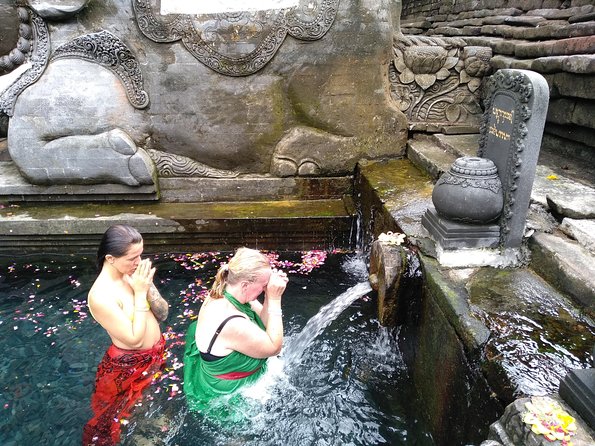
- Tirta Empul is a living place of worship: You pray and make offerings before entering the holy springs.
- The water ceremony takes about one to one and a half hours: Your guide leads you step by step rather than leaving you to guess.
- Traditional clothing is supplied: Sarongs for the temple and purification ritual are included.
- The $65 price covers the useful extras: Transport, lunch, bottled water, fees, taxes, clothing, and offerings are part of the package.
- Morning pickup is standard, but other times may be available: Pickup times can also be arranged for 9 a.m., 11 a.m., 1 p.m., or 5 p.m.
- Plan around temple rules: Women during menstruation cannot enter the temple, and you should bring a towel and a full change of clothes.
Why Tirta Empul makes this more than a sightseeing stop
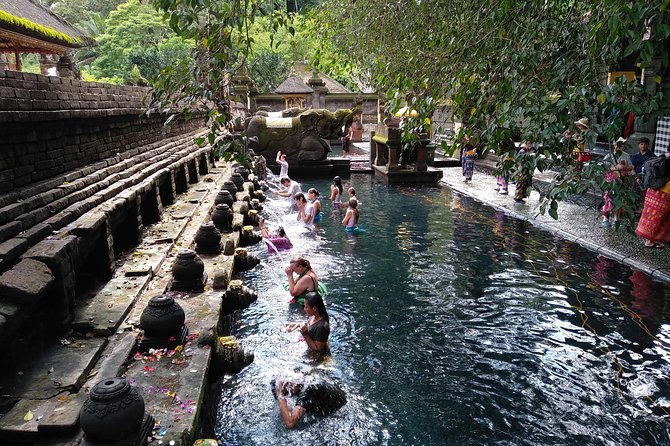
Tirta Empul is a holy spring temple near Ubud, and the central attraction here is participation. You do not simply walk around, take a picture, and leave. You put on Balinese Hindu clothing, receive ritual offerings, pray for permission and blessing, and then follow the purification process in the spring.
That distinction matters. A temple visit can be interesting from the outside, but the ceremony gives you a clearer sense of how prayer and daily religious practice fit together in Bali. The guide’s role is especially important because the ritual has an order to it. You are shown what to do instead of copying people around you and hoping you have it right.
The ceremony is described as a way to cleanse away negativity. You should approach that as a spiritual practice, not as a guaranteed cure or a theatrical attraction. The value is in being present, respectful, and willing to learn. If you want only architecture and photographs, a standard temple visit may suit you better.
A few more Ubud half-days to weigh up
- All-Inclusive Ubud Private Tour
★ 5.0 · 14,344 reviews - Best of Ubud Full-Day Tour with Jungle Swing
★ 5.0 · 8,571 reviews - Ubud: Monkey Forest, Jungle Swing, Rice Terrace, and Water Temple
★ 5.0 · 7,160 reviews
The morning begins with a practical hotel pickup
The usual start time is 8 a.m., with pickup from your hotel. You need to provide the hotel name, address, and contact details when booking. Air-conditioned transport is included, and the door-to-door arrangement takes away the need to find a taxi or work out a separate ride to the temple.
The scheduled outing lasts about five hours, with an expected return around 1 p.m. That makes it easy to fit into a wider Ubud day. You can have the ritual in the morning, eat lunch afterward, and still have much of the afternoon free.
The provider says other pickup times may be possible, including 9 a.m., 11 a.m., 1 p.m., and 5 p.m. Confirm the time directly rather than assuming every departure is available on every date. The published stop information also names Kuta Beach, but the detailed plan describes a direct hotel-to-Tirta Empul journey followed by lunch and a return to the hotel. Ask about the exact route if you are staying outside Ubud or expect a beach stop.
Changing into temple clothing sets the tone
At Tirta Empul, you change into Hindu temple clothing. Sarongs for the temple and purification are supplied, so you do not need to pack a ceremonial outfit. You do need to bring dry clothes for afterward.
This first step is more than a costume change. Temple clothing signals that you are entering a religious place with rules and customs. Wear something easy to change out of, and avoid treating the clothing as a novelty prop. The supplied sarong makes the practical side simple, but your attitude still matters.
Bring a towel, a change of clothes, and bottled water if you prefer more than the bottle supplied. You will get wet during the spring ritual, and the schedule includes changing again afterward. Comfortable footwear is also sensible, although the supplied information does not specify a required type.
Prayer and offerings come before the water
Before entering the springs, you pray to the gods for permission and blessing. The tour supplies the ritual offerings, so you do not need to buy or prepare them yourself. The guide explains the process and helps you follow the proper sequence.
This part may be the most valuable for anyone who wants cultural context. Without an explanation, the ceremony could look like a series of movements at a pool. With guidance, the offerings and prayers give the water ritual a clear place within Balinese Hindu practice.
Take your cues from the guide and keep your behavior quiet and respectful. This is not the moment for loud conversation or constant photographs. The activity information does not promise dedicated private space, and the maximum group size is 25 people, so expect a shared setting rather than a solitary spiritual retreat.
Same base, a completely different kind of day:
- Best of Ubud 1-Day Private Tour
★ 5.0 · 4,451 reviews - Bali: Ubud Palace Legong Dance Show Ticket
★ 4.4 · 3,979 reviews - Uluwatu Sunset, Kecak Dance, and Dinner Jimbaran Beach
★ 5.0 · 3,681 reviews - Tanah Lot and North Bali Tour: Scenic Journey
★ 5.0 · 3,620 reviews
The purification process takes up to 90 minutes
The main ceremony lasts roughly one to one and a half hours. You enter the holy water and follow the guide’s instructions step by step. The guide explains the ritual as it happens, which helps you understand what you are doing rather than simply moving from one fountain to the next.
You may find the water ritual physically refreshing, but the important part is its religious meaning. The ceremony is intended to cleanse away bad things or negativity and help you feel spiritually renewed. Your experience will depend partly on your own beliefs and expectations. The tour gives you a structured way to participate, but it cannot promise that every person will feel the same emotional effect.
This is also the point where planning matters. You will be wet for a substantial portion of the activity, and you will need to change afterward. If you dislike communal bathing or feel uncomfortable taking part in a religious ceremony, you may prefer visiting Tirta Empul without joining the purification.
A final prayer closes the ceremony
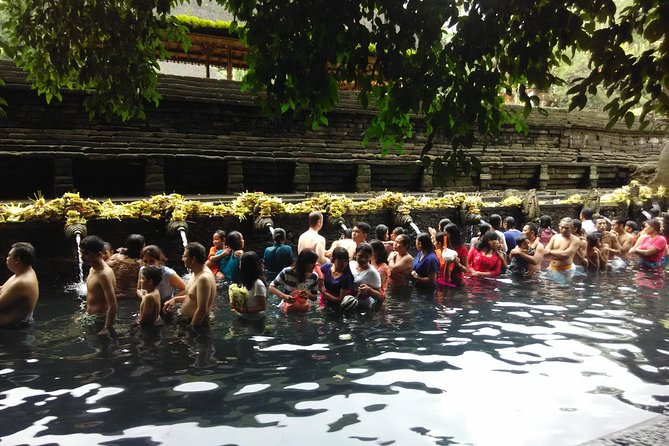
After purification, you change out of your wet clothing and pray again. This prayer is a thank-you to the gods for the blessing. The activity information also says it may be possible to take some holy water home, giving the closing prayer a personal connection beyond the visit itself.
The second prayer helps the ceremony feel complete. You are not simply finished when you leave the water. There is a beginning, a central act, and a closing expression of thanks. That structure is one reason a guide makes such a difference here.
Ask the guide about taking water home before assuming it is available in every situation. The information says this is possible, but local instructions and temple practice should guide what you do.
Lunch adds comfort after a serious morning
Lunch follows the ritual and is included in the $65 price. The meal is described as Indonesian food, and bottled water is also supplied. After changing out of wet clothing and finishing the prayers, a meal gives you time to relax and process the morning.
I see this as a useful part of the package rather than a major culinary event. No specific restaurant or menu is provided, so you should not book this expecting a food-focused excursion. The benefit is convenience: you do not need to search for lunch while still wet, tired, or figuring out the return journey.
After lunch, the vehicle takes you back to your hotel. The expected arrival is about 1 p.m., though traffic and the exact pickup location can affect the timing.
What the $65 price really covers
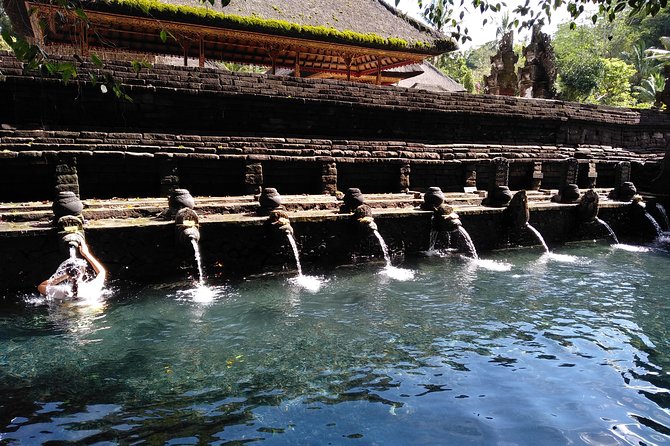
At $65 per person, this is priced as a guided cultural outing rather than a simple temple admission. The cost includes an air-conditioned vehicle, hotel pickup and drop-off, lunch, bottled water, entrance fees, taxes, sarongs, and Hindu ritual offerings.
That bundle gives the tour solid practical value if you need transport from your hotel and want help with the ceremony. Buying each piece separately would also take more planning. The guide’s presence is important here because the ritual is the central reason to book, and the price includes assistance through the prayers and water process.
The value is weaker if you already have transport, do not want to enter the springs, or would rather explore at your own pace. In that case, you would be paying for several elements you may not use. The group limit of 25 is reasonable for an organized outing, but it does not suggest a private ceremony.
Group discounts are offered, which can help if you are booking with family or friends. Confirmation is provided at booking, and free cancellation is available up to 24 hours before the start time. Cancellations later than that are not refunded. Poor weather or failure to reach the minimum number of participants can lead to a different date, a different experience, or a full refund.
The guide can make or break the experience
The strongest praise for this outing centers on the guide’s care and explanations. Wayan is specifically named as an outstanding guide who led the experience from beginning to end. Another account describes the guide accompanying the group through the full procedure, while a French-speaking participant appreciated the translator and driver’s explanations.
That is exactly what you need at Tirta Empul. The ceremony is not difficult because it is physically demanding. It is difficult because you may not know when to pray, how to use the offerings, or how to move through the spring respectfully. A guide who explains the reasons behind each stage turns confusion into participation.
The information does not guarantee that Wayan will lead every departure, so do not book on the assumption that one particular guide is assigned unless the provider confirms it. Still, the repeated focus on careful instruction gives you a useful standard: the guide should explain the ritual, stay with you, and answer questions about Balinese Hindu practice.
Who should book this ritual
I would recommend it to you if you want direct contact with Balinese religious practice and prefer having the cultural details explained as you go. It suits first-time visitors who might otherwise feel unsure about temple manners, offerings, and the water ceremony.
It is also a good fit if you value convenience. Hotel transfers, lunch, clothing, water, fees, and offerings are all handled in one half-day package. The morning schedule works well for a day based in Ubud.
You should think twice if you want a quiet private ceremony, dislike getting wet, or have no interest in taking part in religious practice. The group may include up to 25 people, and the ritual is shared. Women during menstruation cannot enter the temple under the stated temple rule, so plan another activity for that day.
Should you book the Tirta Empul purification?
Book it if you want more than a temple photo and are ready to treat the ritual with respect. The strongest reasons are the careful step-by-step guidance, the chance to wear temple clothing and make offerings, and the easy package of transport, lunch, fees, and supplies for $65.
Skip it if you want an independent visit, a private setting, or a purely sightseeing-focused morning. Before booking, send the provider your hotel details, confirm the pickup time and route, and pack dry clothes and a towel. With those points settled, this is a practical way to experience one of Bali’s most meaningful religious ceremonies.
FAQ
Where does the purification ritual take place?
The ceremony takes place at Tirta Empul Temple near Ubud, Indonesia.
How long does the activity last?
The experience lasts approximately five hours, with the usual schedule running from an 8 a.m. pickup to an expected hotel return around 1 p.m.
What time is hotel pickup?
The standard pickup time is 8 a.m. Other pickup times may be available at 9 a.m., 11 a.m., 1 p.m., or 5 p.m. You should provide your hotel name and address when booking.
Is hotel transportation included?
Yes. Air-conditioned, round-trip hotel pickup and drop-off are included.
What clothing is provided?
Sarongs for the temple visit and purification ritual are provided. You should bring a towel and a change of clothes because you will get wet.
Is lunch included?
Yes. An Indonesian lunch and bottled water are included.
Are temple fees and offerings included?
Yes. All fees and taxes are included, along with the Hindu ritual offerings used during the ceremony.
Can women take part during menstruation?
No. The stated temple rule does not allow women during menstruation to enter the temple.
How many people can join the tour?
The activity has a maximum group size of 25 people.
Can I cancel for a full refund?
Yes, if you cancel at least 24 hours before the experience start time. Cancellations made less than 24 hours before the start are not refunded.
Just added around Ubud
- Overnight Mount Ijen Blue Fire Trekking Tour From Bali★ 4.0 · 14 reviews
- Keliki Village Tour And Rice Field Walk Including Lunch Or Dinner★ 5.0 · 3 reviews
- Ubud Tour with all includes★ 5.0 · 3 reviews
- Jungle Buggy Adventure and Ubud Tour★ 5.0 · 6 reviews
- Exclusive Ubud Jewelry Making: Craft with a Pro Silversmith!★ 5.0 · 37 reviews
- Mount Batur Jeep Tour★ 5.0 · 30 reviews
- Jungle Swing – Volcano – Water Temple – Monkey Forest and Waterfall Tour★ 5.0 · 11 reviews
- Jatiluwih in detail (1 h. e-bike tour in the rice terraces)★ 4.0 · 5 reviews
Ubud Tours, compared.


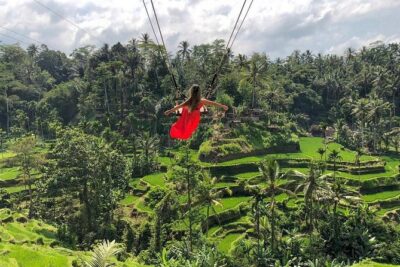
Monkey Forest, Jungle Swing, Rice Terrace, and Water Temple
Read our review →
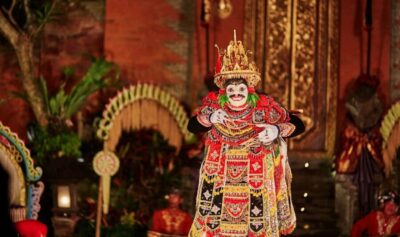

Uluwatu Sunset, Kecak Dance, and Dinner Jimbaran Beach
Read our review →
Tanah Lot and North Bali Tour: Scenic Journey
Read our review →