Reviewed · UBUD TOURS
Private Balinese Purification in Holy Water at Temple with Local
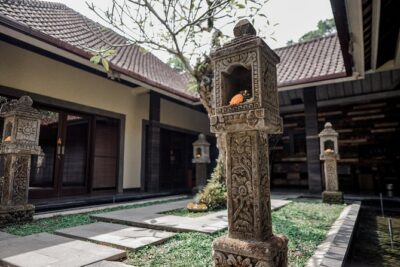
The most memorable part of this Ubud experience is the Melukat purification ritual, held at Pesiraman Dalem Pingit Sebatu, a temple site known for holy bathing. A local guide explains the meaning behind the offerings, water, prayers, and cleansing process instead of asking you to copy a ceremony without context. I like the private format and the chance to ask direct questions about Balinese spirituality, including beliefs about black and white magic.
I also like that the morning includes more than a temple visit. You’ll share an authentic Balinese meal and stop at Tegalalang, while guides such as Tunik Pande or Dwiana can explain how their families approach spiritual practice. The main drawback is that lunch is not included, and the optional village healer costs another $40. You’ll also need moderate physical fitness and should dress and behave with care at a sacred site.
Key points to know before booking
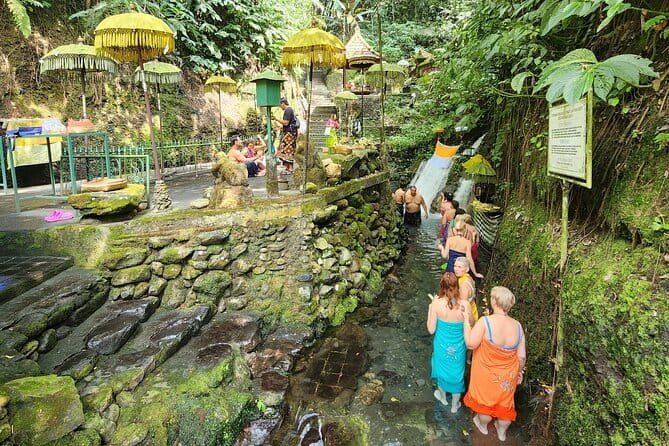
- The purification takes place at Pesiraman Dalem Pingit Sebatu, a temple and holy-water site in Sebatu village.
- The tour is private, so your group can ask questions and move at a more personal pace.
- Tunik Pande and Dwiana are named guides associated with the experience, with English guidance available during the cultural explanations.
- A local healer visit costs $40 extra, including the healer’s offering, and must be arranged ahead of time.
- Lunch is not included, even though the schedule includes a stop at a restaurant serving Balinese food.
- Women who are menstruating cannot participate, based on the spiritual rules given for this ceremony.
What Melukat means in Balinese life
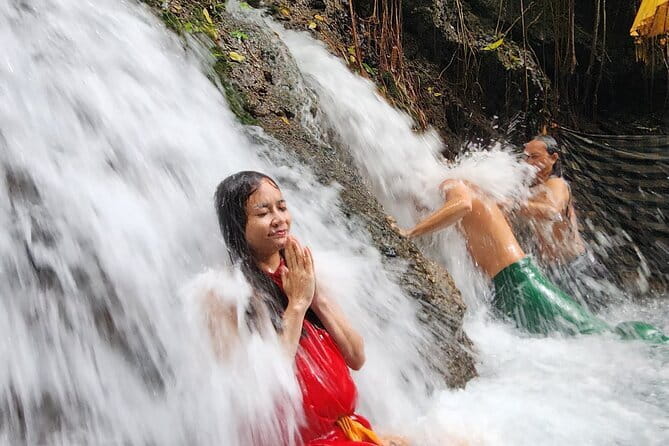
Melukat comes from the Balinese word lukat, meaning to purify. It is not simply a bath at a pretty temple. The ceremony is intended to cleanse unwanted energy and settle the mind, often after illness, an accident, a difficult event, or a period of restlessness.
Water plays a central role in Balinese Hindu practice. It can bless, cleanse, and mark a change in spiritual condition. At Sebatu, the setting gives you a direct way to understand that role. You are not only looking at temple architecture or listening to a talk. You take part in a ritual that Balinese people may use in their own lives.
That distinction matters. If you want a standard sightseeing stop, this experience may feel too personal or ceremonial. If you are curious about how religion fits into everyday Balinese life, the ritual offers far more than a quick photo stop.
Your guide is there to explain what is happening and how to approach it respectfully. Tunik Pande is named as one guide connected with the experience, while Dwiana is also associated with the tour and provides English explanations. The exact guide may depend on availability, so confirm that when you book if a particular host matters to you.
A few more Ubud half-days to weigh up
- All-Inclusive Ubud Private Tour
★ 5.0 · 14,344 reviews - Best of Ubud Full-Day Tour with Jungle Swing
★ 5.0 · 8,571 reviews - Ubud: Monkey Forest, Jungle Swing, Rice Terrace, and Water Temple
★ 5.0 · 7,160 reviews
Starting at 8:00 am from your hotel
The morning begins at 8:00 am with pickup from your hotel. The tour includes an air-conditioned vehicle and private transportation, which is useful in Bali, where road conditions and traffic can make a simple outing take longer than expected.
Because this is a private activity, only your group joins the tour. That changes the feel of the morning. You can pause to ask what an offering means, discuss a custom that sounds unfamiliar, or explain your own comfort level before the ceremony begins. A larger group would likely make the ritual feel more like an organized show, while this format gives the guide room to focus on your questions.
The experience lasts about four hours. That includes the temple visit, the purification process, the food stop, and Tegalalang. Pickup and return are offered, but you should provide the correct hotel details when booking. The tour is listed for Ubud, and the first stop is in Sebatu village.
Entering Pesiraman Dalem Pingit Sebatu
The main stop is Pesiraman Dalem Pingit Sebatu, a temple site known for spiritual purification. The setting has been described as a jungle temple with a waterfall, which gives the bathing ritual a strong sense of place. Still, the reason to come is the ceremony itself, not simply the scenery.
Before entering the water, your guide explains local offerings and traditions. This preparation helps you understand that the ritual has a structure and purpose. You may also hear about healers, black and white magic, and the way the guide’s family approaches spirituality. These subjects can be hard to understand through a short cultural talk, so having a local person explain them in plain English is one of the best parts of the experience.
You should treat the temple as a place of worship. Follow your guide’s instructions, dress modestly, and avoid treating the ceremony like a performance. The tour description specifically says that women who are on their periods are not allowed to take part. This is a religious rule for the experience, not a minor footnote, so plan around it before paying.
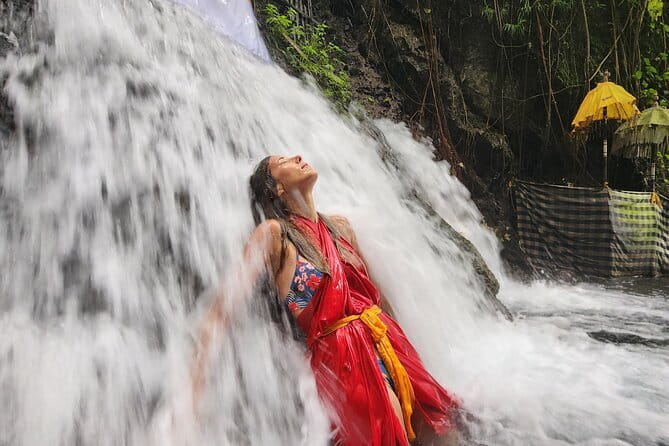
The bathing itself is the heart of Melukat. Holy water is used to cleanse negative energy and refine the mind. Your guide leads you through the process, explaining what to do and why the water matters. The goal is not to pretend you have become Balinese for a morning. It is to take part respectfully in one aspect of local spiritual life.
The physical side should be manageable for most people with moderate fitness, but the tour does not promise an effortless walk or a fully accessible route. Temple bathing areas can involve wet surfaces, steps, or uneven ground. The information provided only asks for moderate physical fitness, so contact the operator if you have mobility concerns or need a clearer description of the route.
Why the guide makes the difference
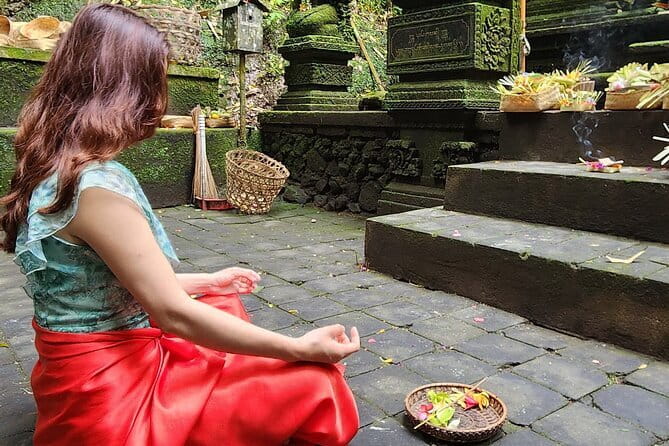
The ceremony would be difficult to understand without explanation. A visitor can see offerings, holy water, temple structures, and people praying, but the meaning is not always obvious. The guide bridges that gap.
Dwiana is described as offering strong English and patiently answering questions about religion and Bali. Tunik Pande is also named in connection with the experience and has guided the ceremony at the temple and waterfall setting. The important point for you is not the title of the guide, but the access to a local person who can explain customs in context.
You can ask about offerings, family beliefs, the place of water in ceremonies, and the role of healers. The tour also covers ideas about black and white magic, which may be unfamiliar or easy to oversimplify. A good guide can explain how these ideas fit into local belief without turning them into spooky entertainment.
This is where a private tour earns its keep. At $35 per person, the price is low for private transport, a four-hour schedule, and a personal cultural explanation. The value is strongest for couples, families, or small groups who would otherwise need to arrange transport and find someone to interpret the ritual. It is less compelling if you only want a temple photograph and do not care about the ceremony’s meaning.
Same base, a completely different kind of day:
- Best of Ubud 1-Day Private Tour
★ 5.0 · 4,451 reviews - Bali: Ubud Palace Legong Dance Show Ticket
★ 4.4 · 3,979 reviews - Uluwatu Sunset, Kecak Dance, and Dinner Jimbaran Beach
★ 5.0 · 3,681 reviews - Tanah Lot and North Bali Tour: Scenic Journey
★ 5.0 · 3,620 reviews
Balinese food after the ceremony
After the holy bathing, the schedule includes lunch at a restaurant serving authentic Balinese food. Lunch is not included in the $35 price, so bring money for your meal. The exact restaurant and menu are not specified, which means you should not book this expecting a particular dish or a fixed dining package.
The timing makes sense. After a quiet and serious ritual, a meal gives you time to talk with the guide and process what you have seen. Ask about the food, local customs, and daily life. This is often when a formal cultural experience becomes a relaxed conversation.
Keep your expectations practical. This is not described as a cooking class or a market tour. You will have a meal at a restaurant, with the chance to try Balinese dishes, but the experience’s main focus remains Melukat and local spirituality.
The Tegalalang stop
The second listed stop is Tegalalang. The information does not specify exactly what you will see or how long you will stay, so consider it a flexible part of the route rather than the main reason to book.
Tegalalang is included after the temple and meal, giving the four-hour outing another local stop before you return to your hotel. Depending on timing and availability, your guide can help place this visit within the day’s flow. If you have a specific sight in mind, ask before booking so you know whether it is part of this tour.
Do not let this stop distract from the main selling point. The purification ceremony at Sebatu is the distinctive part. Tegalalang adds variety, but the experience is not presented as a full sightseeing tour of the area.
Adding the village healer for $40
You can extend the day with a visit to a local healer in the guide’s village. This costs $40 extra and includes the offering for the healer. You must request this before or after booking so the guide can arrange a time.
The healer does not speak English. Your guide will translate, help ask questions, and explain what is happening. The healer is described as reading your energy, treating bad elements, discussing your life path, and cleansing your aura with a young orange coconut.
You should think carefully about what you want from this add-on. It is a spiritual consultation, not a medical appointment, and the description does not promise a medical diagnosis or treatment. If you are curious about Balinese healing traditions and comfortable with a ritual approach, it may add another layer to the day. If you prefer a cultural explanation without personal spiritual readings, skip it and return to your hotel after the scheduled stops.
The extra cost is separate from the tour price, and payment is made directly to the healer. The need to arrange it ahead of time is important. You cannot safely assume it will be available as a last-minute decision.
Who will get the most from this experience

I would recommend this to you if you want a personal cultural activity rather than a packed sightseeing schedule. It suits people who are willing to participate respectfully, listen to explanations, and accept that a religious ritual is not designed solely for visitors.
It works especially well for:
- Couples seeking a private and reflective morning
- Small groups with questions about Balinese Hindu practice
- Visitors who want local guidance rather than a self-guided temple visit
- People interested in water rituals, offerings, healers, and family spirituality
- Those who value hotel pickup and a private vehicle
I would hesitate to recommend it if you dislike getting wet, have difficulty with moderate physical activity, or want a tightly timed list of famous sights. It may also feel uncomfortable if you are looking for a secular wellness treatment. Melukat is presented as a religious purification ceremony, and that should guide your expectations.
Price, timing, and practical value
At $35 per person, this is a strong value for a private four-hour outing with air-conditioned transport, pickup, and included entrance fees and taxes. The cost is especially reasonable for two or more people who want direct access to a guide instead of hiring separate transportation and trying to understand the ceremony alone.
The price does not include lunch. It also does not include the optional healer, which costs $40 and requires advance scheduling. Add those costs when comparing this tour with other Ubud activities.
The experience is usually booked about seven days in advance. That suggests you should reserve before your Bali plans are fixed, especially if you want the healer visit or need a certain morning. Mobile tickets are offered, and confirmation is provided at booking.
The cancellation policy is friendly if your plans change. You can receive a full refund by canceling at least 24 hours before the start time. Changes or cancellations inside that window are not accepted, and poor weather can lead to a new date or full refund. Since the ritual takes place outdoors and involves water, weather can affect the schedule.
Respectful preparation for the temple
Wear clothing suitable for a temple and water-based ceremony. The exact dress code is not provided, so ask the operator what is expected before you go. Plan to bring anything you normally need after getting wet, since the activity includes holy bathing.
Give yourself time to listen before taking part. The guide’s explanations about offerings and local beliefs are not decoration. They tell you how to behave and help you understand why the ritual matters.
Do not treat the ceremony as a staged photo opportunity. You can take pictures only when appropriate and with your guide’s direction. A quiet, attentive approach will make the experience more meaningful for you and less intrusive for people using the temple for their own spiritual practice.
Should you book the Sebatu purification tour?
Book it if you want a private introduction to Balinese spirituality, are comfortable joining a water purification ritual, and value a local guide who can answer questions. The combination of Sebatu’s holy bathing site, private transport, Balinese food, and optional healer visit gives you a fuller cultural morning than a standard temple stop.
Skip it if you only want sightseeing, need a fully accessible activity, or cannot participate because of the stated menstruation restriction. Also remember that lunch and the healer cost extra.
For $35, the tour offers good value, particularly when you want a calm, personal experience in Ubud. Tunik Pande or Dwiana can help you understand what you are doing, but your own respect and openness will shape the morning just as much as the itinerary.
FAQ
What time does the tour start?
The tour starts at 8:00 am, with pickup from your hotel.
How long does the experience last?
The experience lasts approximately four hours.
Where does the purification ceremony take place?
The Melukat ceremony takes place at Pesiraman Dalem Pingit Sebatu in Sebatu village.
Is the tour private?
Yes. Only your group participates in this private tour or activity.
Is transportation included?
Yes. The experience includes private transportation and an air-conditioned vehicle. Pickup is offered.
Is lunch included in the price?
No. Lunch is not included, although the schedule includes a restaurant stop for Balinese food.
Can I visit the local healer?
Yes, but the healer visit costs $40 extra, includes the offering for the healer, and must be arranged in advance. The healer does not speak English, so the guide translates.
Can women participate while menstruating?
No. The experience states that women who are on their periods are not allowed to participate, based on the beliefs connected with the ceremony.
Just added around Ubud
- Overnight Mount Ijen Blue Fire Trekking Tour From Bali★ 4.0 · 14 reviews
- Keliki Village Tour And Rice Field Walk Including Lunch Or Dinner★ 5.0 · 3 reviews
- Ubud Tour with all includes★ 5.0 · 3 reviews
- Jungle Buggy Adventure and Ubud Tour★ 5.0 · 6 reviews
- Exclusive Ubud Jewelry Making: Craft with a Pro Silversmith!★ 5.0 · 37 reviews
- Mount Batur Jeep Tour★ 5.0 · 30 reviews
- Jungle Swing – Volcano – Water Temple – Monkey Forest and Waterfall Tour★ 5.0 · 11 reviews
- Jatiluwih in detail (1 h. e-bike tour in the rice terraces)★ 4.0 · 5 reviews
Ubud Tours, compared.

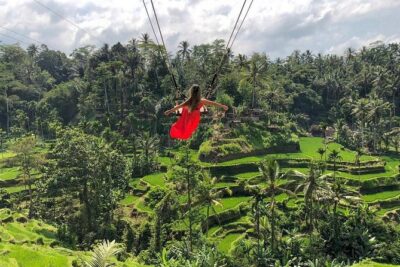
Monkey Forest, Jungle Swing, Rice Terrace, and Water Temple
Read our review →
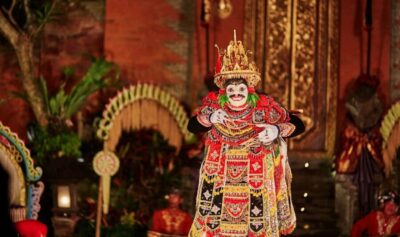

Uluwatu Sunset, Kecak Dance, and Dinner Jimbaran Beach
Read our review →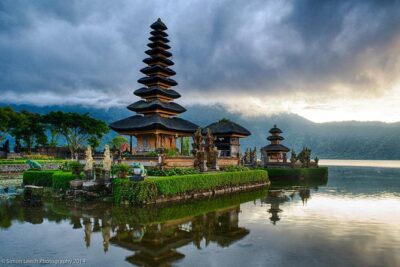
Tanah Lot and North Bali Tour: Scenic Journey
Read our review →