Reviewed · UBUD TOURS
Purifications at Beji Griya Waterfalls
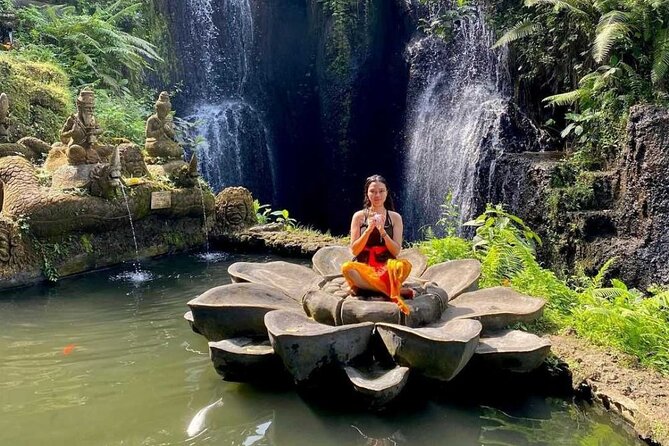
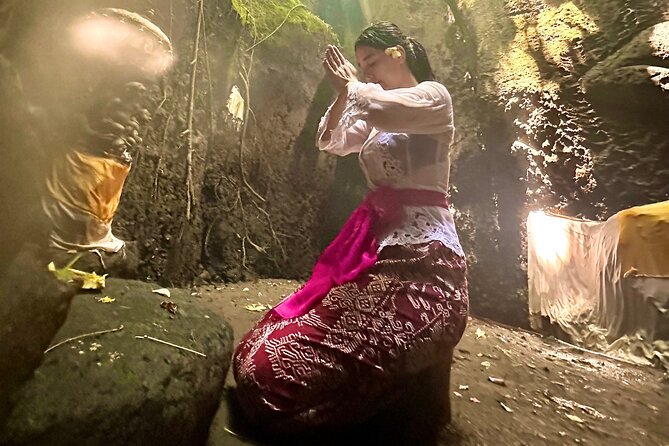
At Beji Griya Waterfalls, the main event is not simply seeing water tumble through a Balinese temple setting. You take part in melukat, a Hindu Balinese purification ceremony using holy water to symbolically cleanse the body, mind, and soul. The ritual moves through a hidden canyon, springs, waterfalls, and a pool, with a priest guiding the blessing.
I like two things right away: the ceremony has a clear spiritual purpose, and the tour includes the practical pieces that can make a water ritual easier, including private transport, an offering, sarong, belt, locker, towel, and two young coconuts for the blessing. I also like that your group has the activity to itself rather than sharing the ceremony with a large crowd.
The main consideration is that this is a religious experience, not just a waterfall outing. You need to approach it respectfully and be comfortable taking part in a ritual that includes water immersion and spiritual language. At about six hours, including transport, it also takes a good part of your day.
Key points at a glance
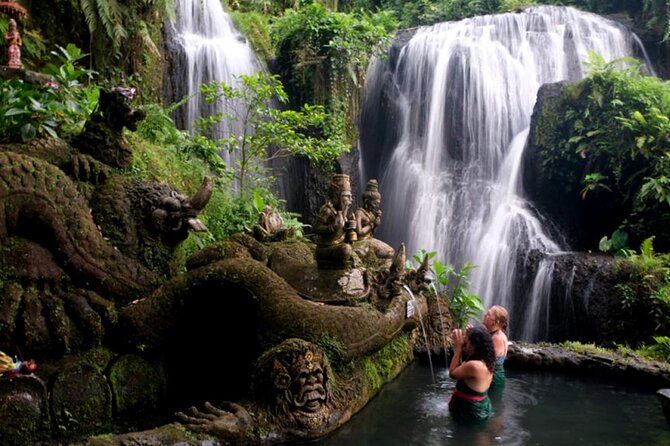
- Four stages of purification: The ceremony includes washing in a shower inside a hidden canyon cave, purification at natural springs, an emotional release at the waterfall, and a final shower in a pool.
- A priest leads the ritual: The holy water blessing is part of the organized ceremony, rather than a self-guided swim at a scenic waterfall.
- Private from pickup to return: Rio Bali Tours provides private transportation and pickup and drop-off, with only your group taking part.
- Useful items are included: You receive an offering, sarong, belt, locker, towel, two young coconuts, and coffee or tea with a healthy drink.
- Good value at $50 per person: The price covers transport, ceremony, priest, supplies, and refreshments, which removes several extra costs.
- Plan around the weather: Poor weather can lead to a new date or full refund, and changes or cancellations must be made at least 24 hours ahead.
What melukat means at Beji Griya
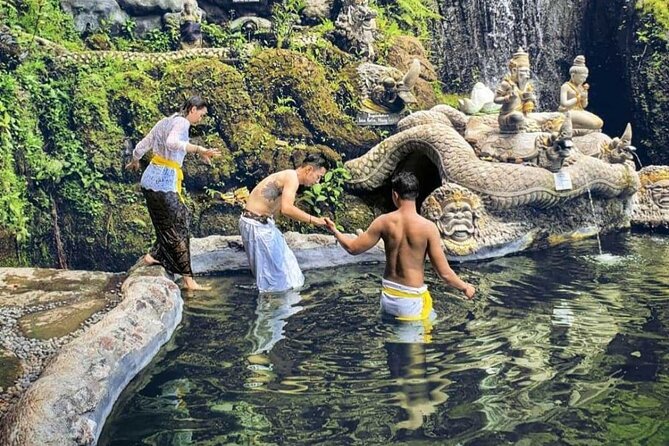
Melukat is a Balinese Hindu purification practice. The word is explained through su, meaning good, and lukat, meaning purification. In simple terms, the ceremony is meant to help clear negative influences and restore a sense of physical, emotional, and spiritual balance.
The underlying idea is easy to understand. Just as the body gathers dust and grime during ordinary life, the soul can be affected by difficult thoughts, words, actions, anxiety, illness, bad dreams, and outside influences. A melukat ceremony offers a formal way to pause, wash, pray, and let go.
That context matters. You are not signing up for a generic wellness treatment with a waterfall in the background. You are entering a local religious practice, presented here in a form suited to an organized private outing. The ritual may feel meaningful if you are open to symbolism, reflection, and guided ceremony. If you only want a swim and photographs, the spiritual structure may feel more serious than expected.
The stated benefits include cleansing the mind, heart, body, and soul, as well as releasing emotional burdens and negative energy. Claims about black magic or spiritual effects are part of the belief system surrounding the ceremony, not something that can be measured as a tourist service. I would treat the experience as a chance for reflection and cultural understanding, while allowing the meaning to be personal.
A few more Ubud half-days to weigh up
- All-Inclusive Ubud Private Tour
★ 5.0 · 14,344 reviews - Best of Ubud Full-Day Tour with Jungle Swing
★ 5.0 · 8,571 reviews - Ubud: Monkey Forest, Jungle Swing, Rice Terrace, and Water Temple
★ 5.0 · 7,160 reviews
The four water stages, from cave to pool
The ceremony at Taman Beji Griya Waterfall follows four main purification points. The sequence gives the activity a sense of direction and purpose.
1. Showering in the hidden canyon cave
The first purification takes place in a shower located in a hidden canyon inside a cave. This setting gives the opening stage a more enclosed, private feeling than an ordinary open-air waterfall stop.
The cave and canyon setting also help mark the shift from sightseeing to ceremony. Water is not simply something you look at. It becomes the medium for washing and prayer. You might find this first stage the most atmospheric part of the ritual because the natural rock setting provides a strong sense of separation from daily routines.
Expect wet surfaces and a water-based activity from the start. The included sarong, belt, and towel are useful here. A locker is also provided, so you do not need to keep your belongings beside the water.
2. Purification at the springs
The second stage takes place at the springs. Springs have a special place in Balinese religious life because their water is viewed as a source of cleansing and blessing.
This part is likely to feel calmer and more deliberate than the waterfall section. The ceremony is not presented as a race from one photo stop to the next. You move through separate water points, each with a stated role in the purification.
The included offering supports this part of the ritual. Offerings are not decorative extras. They are part of the religious setting and help show that the ceremony is structured around respect and blessing rather than recreation alone.
Same base, a completely different kind of day:
- Best of Ubud 1-Day Private Tour
★ 5.0 · 4,451 reviews - Bali: Ubud Palace Legong Dance Show Ticket
★ 4.4 · 3,979 reviews - Uluwatu Sunset, Kecak Dance, and Dinner Jimbaran Beach
★ 5.0 · 3,681 reviews - Tanah Lot and North Bali Tour: Scenic Journey
★ 5.0 · 3,620 reviews
3. Releasing emotions at the waterfall
The third stage is described as a place to release emotions in the waterfall. This is the most direct symbolic moment of the activity. The force and sound of falling water give you a natural focus while you consider what you want to leave behind.
You should not expect a scripted therapy session. The information provided does not specify a particular emotional exercise or a set of words you must repeat. Instead, the waterfall acts as the setting for release and reflection within the larger ceremony.
This stage may appeal to you if you are looking for a personal reset during a Bali trip. It may feel less comfortable if you prefer activities with little spiritual or emotional involvement. That is not a flaw, but it is a useful distinction to make before booking.
4. Final shower in the pool
The last stage takes place in a shower in the pool. It completes the movement through the cave, springs, waterfall, and pool.
The sequence makes practical sense as well as ceremonial sense. You begin in a more enclosed setting, continue through spring water, experience the waterfall, and finish at the pool. By the end, you have taken part in a complete ritual rather than stopping for one brief blessing.
A towel is included, which matters after several water stages. Two young coconuts are also provided for water blessing. Their role adds a distinctly local touch to the closing part of the ceremony.
A private outing with transport included
Rio Bali Tours provides private transportation, pickup, and drop-off. For a half-day outing in Bali, this is a major part of the value. You do not need to arrange a separate driver, coordinate local transfers, or work out how to carry wet clothing back to your hotel.
The activity lasts about six hours in total, while the ceremony itself is listed at about four hours. That difference likely allows time for driving, arrival, preparation, changing, and returning. The exact amount of time spent on the road will depend on your pickup point and traffic, so you should keep the day fairly open.
The private format is especially useful for couples, families, or small groups with different comfort levels. You can take the ceremony at your own group’s pace instead of being placed with a large mixed party. It also makes the experience feel more personal, though the private format does not mean you are receiving an individually customized religious ceremony.
The activity offers group discounts, which may improve the per-person cost for a larger party. Since the listed rate is $50 per person, it is worth checking the final group price before booking if you are traveling with several people.
What the $50 price includes
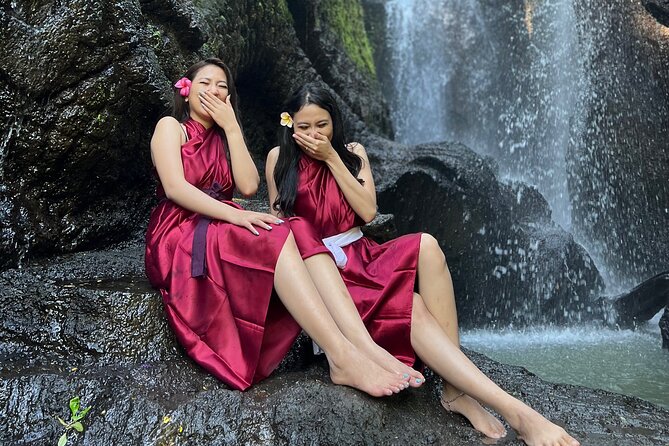
At $50 per person, the price covers much more than admission to a waterfall. The package includes:
- Private transportation
- Pickup and drop-off
- The purification ritual
- An offering
- A priest
- Sarong and belt
- Locker and towel
- Two young coconuts for the water blessing
- Coffee or tea and a healthy drink
That list makes the cost easier to judge. A cheaper waterfall visit might only provide access and transport. Here, the organized ceremony, priest, ritual items, changing support, and drinks are bundled into one payment.
I particularly value the included towel, locker, and sarong. These are small details, but they remove common annoyances from a water-based activity. The offering and priest are even more important because they provide the religious structure that gives the outing its purpose.
Alcoholic drinks are not included. That is hardly a surprise for a spiritual ceremony, and it is better to think of the coffee, tea, and healthy drink as the natural finish to the visit.
The price will feel worthwhile if you want a guided Balinese cultural activity with transport. It may feel high if your only goal is to see the waterfall or take a quick swim. The value depends on what you are buying: not just scenery, but a private, organized ritual.
The spiritual setting requires respectful preparation
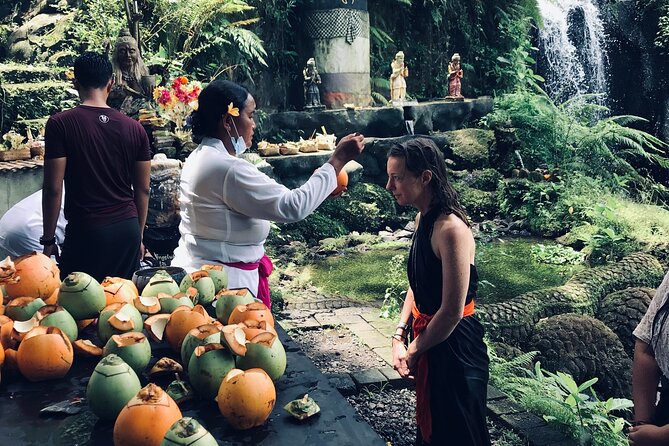
Dress and behavior matter at a temple waterfall. The included sarong and belt help you follow the expected clothing arrangement, but you should still arrive ready to treat the site as a place of worship.
Keep your expectations grounded. This is not advertised as a spa, massage, medical treatment, or mental-health service. The ceremony may leave you feeling peaceful, happy, generous, or less burdened, but those results are personal and cannot be promised.
The activity description says most people can participate. Still, water, slippery ground, caves, and pools may be tiring for some people. The provided information does not give detailed accessibility information, so you should ask Rio Bali Tours about any mobility, balance, or medical concerns before booking.
Because weather affects the experience, rain may change the plan. If poor weather causes cancellation, you can receive a different date or a full refund. The same applies if the minimum number required for the activity is not met.
What the five-star feedback tells you
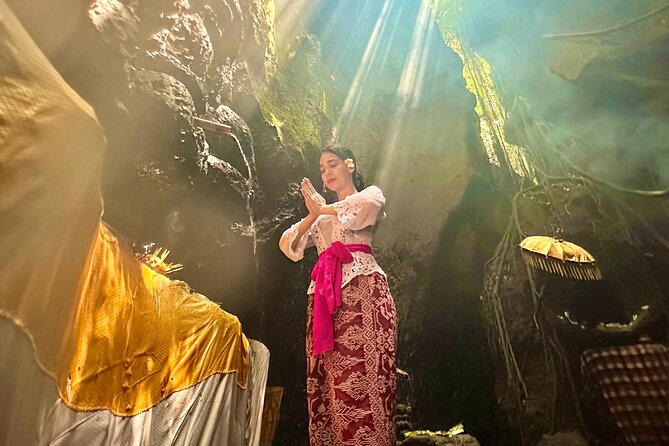
The strongest praise focuses on the complete flow of the day, from pickup through the ceremony and blessing. One five-star review describes every part as enjoyable, including the pickup, ceremony, and final blessing.
That is useful because transportation and organization can make or break a Bali day trip. The feedback suggests that the service is not limited to the waterfall setting itself. The driver and guide service, the ceremonial arrangements, and the blessing all contribute to the overall impression.
The rating is 5 out of 5 from 10 reviews, with 100 percent recommending the activity. That is encouraging, but the sample is small. I would read it as a strong sign of satisfaction with the experience provided, not as proof that every person will connect with the ritual.
No individual guide name is supplied. The experience is offered by Rio Bali Tours, and a priest leads the purification. If having a specific guide matters to you, ask who will handle the driving and interpretation when you book.
Who will enjoy this most?
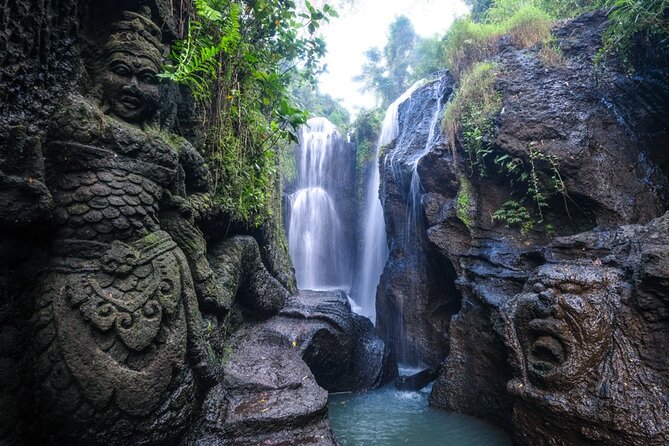
I would recommend Beji Griya Waterfalls to you if you want a cultural activity with a clear spiritual focus. It suits people who are curious about Balinese Hindu customs, comfortable with water rituals, and interested in taking a quiet break from ordinary sightseeing.
It is also a practical choice for couples or private groups. The private format keeps the mood more personal, and the included transport makes it easy to fit the outing into an Ubud stay.
You may want to skip it if you are seeking only a waterfall photograph, a casual swim, or a fast nature stop. The ceremony takes about four hours, and the full outing takes about six. That is a substantial time commitment for anyone building a packed day of temples, rice terraces, markets, and meals.
The activity is also not the right fit if you dislike religious ceremonies or do not want to get wet. The waterfall setting is attractive, but the central purpose is purification, not sightseeing.
Booking timing and cancellation advice
This experience is booked, on average, 43 days ahead. That suggests you should reserve early if your Bali dates are fixed, especially if you want a particular day or need a private pickup schedule.
You can cancel for a full refund up to 24 hours before the start time. Cancellations made less than 24 hours ahead are not refunded, and changes within that period are not accepted. Cutoff times use local time in Bali.
Confirmation is provided when you book, and mobile tickets are offered. Keep the booking details available on your phone, particularly for pickup arrangements.
Should you book Purifications at Beji Griya Waterfalls?
Book this experience if you want more than a scenic waterfall stop. For $50, you receive private transport, a priest-led melukat ceremony, ritual supplies, changing essentials, refreshments, and a full half-day structure.
I would make the booking after checking two things: that your group is comfortable with a Balinese religious ritual, and that you can spare about six hours. If both answers are yes, Beji Griya offers a thoughtful way to experience water, prayer, and personal reflection in one outing.
If you want a simple nature visit, choose another waterfall activity. If you want a private cultural experience with a clear ceremonial purpose, this is a strong option, with the weather and water-based setting as the main practical concerns.
FAQ
Where does the purification ceremony take place?
The ceremony takes place at Taman Beji Griya Waterfall Park in the Ubud area of Bali, Indonesia.
How long does the experience last?
The full experience lasts about six hours. The purification activity itself is listed at about four hours, with the remaining time allowing for transport and related arrangements.
What does the melukat ceremony include?
It includes purification in a shower inside a hidden canyon cave, purification at springs, emotional release at the waterfall, and a final purification shower in a pool.
Is a priest included?
Yes. A priest is included to lead the holy water purification ceremony.
Is transportation provided?
Yes. Private transportation, pickup, and drop-off are included. The activity is private, so only your group takes part.
What should I expect to receive during the activity?
The package includes an offering, two young coconuts for the water blessing, a sarong, belt, locker, towel, and coffee or tea with a healthy drink.
What happens if the weather is poor?
The experience requires good weather. If it is canceled because of poor weather, you will be offered a different date or a full refund. Free cancellation is available up to 24 hours before the start time.
Just added around Ubud
- Overnight Mount Ijen Blue Fire Trekking Tour From Bali★ 4.0 · 14 reviews
- Keliki Village Tour And Rice Field Walk Including Lunch Or Dinner★ 5.0 · 3 reviews
- Ubud Tour with all includes★ 5.0 · 3 reviews
- Jungle Buggy Adventure and Ubud Tour★ 5.0 · 6 reviews
- Exclusive Ubud Jewelry Making: Craft with a Pro Silversmith!★ 5.0 · 37 reviews
- Mount Batur Jeep Tour★ 5.0 · 30 reviews
- Jungle Swing – Volcano – Water Temple – Monkey Forest and Waterfall Tour★ 5.0 · 11 reviews
- Jatiluwih in detail (1 h. e-bike tour in the rice terraces)★ 4.0 · 5 reviews
Ubud Tours, compared.
Monkey Forest, Jungle Swing, Rice Terrace, and Water Temple
Read our review →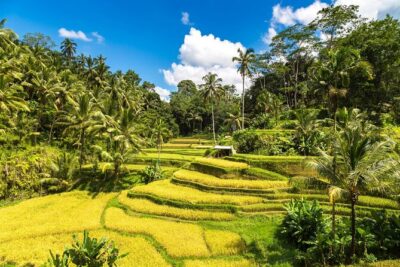
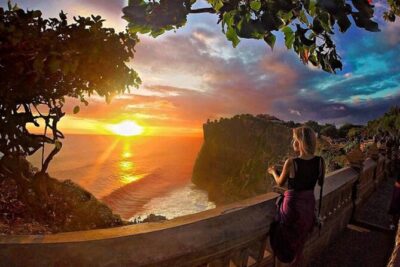
Uluwatu Sunset, Kecak Dance, and Dinner Jimbaran Beach
Read our review →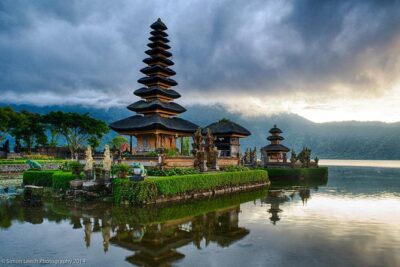
Tanah Lot and North Bali Tour: Scenic Journey
Read our review →