
Reviewed · UBUD TOURS
Bali Fruit Carving Class
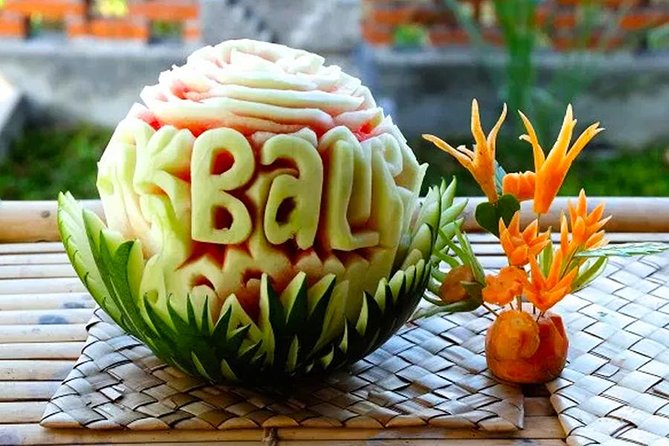
Turning a watermelon, papaya, or carrot into a flower takes more patience than you might expect. In Lodtunduh, just outside Ubud, an instructor guides you through the cuts and helps you turn ordinary fruit into edible decoration. This is a hands-on class, not a quick demonstration.
I like the small maximum of 10 people, which gives the instructor room to help with careful cuts. I also like the calm setting, with rice field views and a traditional snack to enjoy during the morning. The main drawback is the strict booking policy: the $39 fee is non-refundable and cannot be changed after booking.
If you want a quiet creative activity rather than another sightseeing stop, this class fits nicely into a Ubud morning. It suits children and adults ages 4 to 65, though very young children will need close help with the tools and patient guidance.
Key points to know before booking
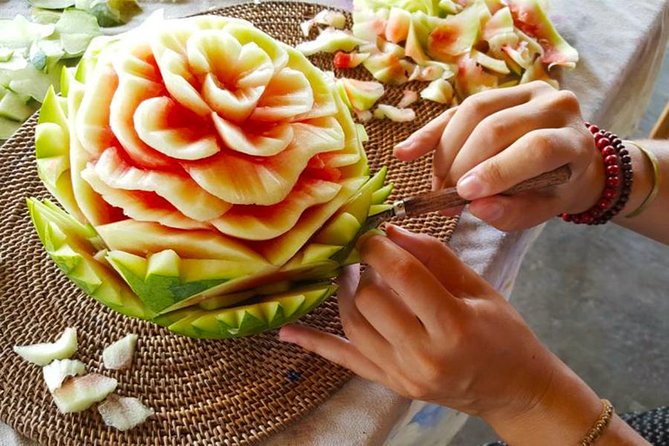
- You make edible art: Practice carving flowers, insects, animals, or your name into fruit and vegetables.
- The class stays small: No more than 10 people join, making it easier to receive individual instruction.
- Your supplies are covered: Equipment and materials are provided, so you do not need to bring carving tools or produce.
- The setting adds to the morning: The Lodtunduh studio looks out toward rice fields, giving the class a peaceful backdrop.
- Food and a certificate are included: You receive a welcome drink, traditional snack, and certificate at the end.
- You arrange your own transport: The class starts and finishes at WS Art Studio Balinese Handicrafts at 10:00 a.m.
Why fruit carving makes a good Ubud activity
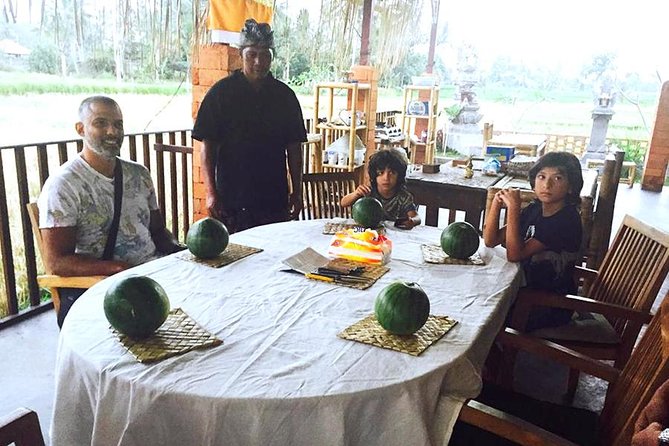
Ubud is full of art classes, craft workshops, and cultural activities. Fruit carving gives you a different kind of creative work. Instead of painting a picture or making a permanent object, you shape food into something decorative, then watch it become part of a meal or dessert.
I like that the class asks you to slow down. Fruit carving is not about making a rough cut and calling it finished. You need to control the angle of the tool, repeat patterns, and work with the shape of the fruit. A small mistake can change the whole design, which makes the finished piece feel earned.
The class also works well for families. The stated age range is 4 to 65, so children and adults can take part together. Younger children may need an adult nearby, but the basic idea is easy to understand: follow the instructor, practice the technique, and build a design one cut at a time.
You can choose from several types of designs. The class may guide you toward flowers, animals, insects, or your name. The available materials include melons, carrots, papaya, and other fruit, so you get to work with different textures and shapes rather than one standard piece of produce.
More hands-on workshops in Ubud:
- Ubud Cooking Class Bali with Balinese Chef
★ 5.0 · 1,609 reviews - Ubud Silver Class Jewelry making in bali
★ 5.0 · 978 reviews - PRIVATE Authentic Balinese Cooking Class in Ubud at Putu’s Home
★ 5.0 · 644 reviews
Arriving at the Lodtunduh studio
The meeting point is WS Art Studio Balinese Handicrafts in Lodtunduh, Ubud, at the listed Plus Code location C7X4+JFP, Lodtunduh, Ubud, Gianyar Regency, Bali 80571. The studio is described as easy to locate and close to public transportation.
You need to arrive at the meeting point rather than expect hotel pickup. Transport is not included, so plan that part of the morning before you book. The activity starts at 10:00 a.m. and returns to the same location when the class ends.
That fixed meeting point keeps the arrangement simple. You do not need to wait for a vehicle or coordinate several pickup times. On the other hand, you are responsible for allowing enough time to reach Lodtunduh. If you are staying in central Ubud or elsewhere in Bali, check your route before the morning of the class.
The studio also offers other craft activities, including wood carving and jewelry craft. That makes the location useful if someone in your group prefers a different kind of making, though the fruit carving class itself is the activity described here.
The two-hour carving lesson
The full activity takes about two hours. The exact order of demonstrations and practice is not specified, but you can expect the instructor to show the basic technique before you begin working on your own fruit.
The first stage is getting comfortable with the equipment. All tools and materials are provided. That is useful for visitors who want to try the craft without purchasing a specialized knife or carrying produce across Bali.
Next comes practice. You may begin with simpler cuts before moving on to a flower, insect, animal, or name. The process depends on patience and precision, so do not expect a rushed activity where you copy a design in a few minutes.
The instructor’s role matters here. A courteous teacher who can explain how to hold the tool and where to place each cut can save you from wasting the fruit. You will have the chance to work through the technique rather than only watch someone create a polished piece.
I would treat the two hours as a creative workshop, not a formal culinary qualification. The certificate is a pleasant souvenir, but the lasting value is the technique. Once you understand how to make repeated cuts and simple shapes, you can apply the skill to other foods and designs at home.
Choosing a design you can finish
Fruit carving looks simple when an expert does it. Your first design may take longer. For that reason, choose a project that matches your patience and the time available.
A flower is a sensible choice if you want a clear pattern with repeated shapes. An insect or animal gives you more room for a playful result, while carving your name makes the finished piece personal and easy to remember.
The materials listed include watermelon, papaya, and carrots. These are not all the same to work with. A large melon gives you more surface area for a design, while a carrot may be better suited to smaller decorative shapes. The instructor can guide you toward a workable option.
There is no need to chase perfection. Fruit is an forgiving medium because the point is practice and expression, not a competition. You may finish with a design that looks different from the example. That is part of the appeal, especially for children.
Still, patience is essential. If you prefer fast activities with constant movement, this class may feel slow. If you like careful handwork, the pace is a benefit. You can focus on one small cut at a time and see a plain piece of food change shape.
A few more Ubud half-days to weigh up
- All-Inclusive Ubud Private Tour
★ 5.0 · 14,344 reviews - Best of Ubud Full-Day Tour with Jungle Swing
★ 5.0 · 8,571 reviews - Ubud: Monkey Forest, Jungle Swing, Rice Terrace, and Water Temple
★ 5.0 · 7,160 reviews - Best of Ubud 1-Day Private Tour
★ 5.0 · 4,451 reviews
Rice field views and a traditional snack
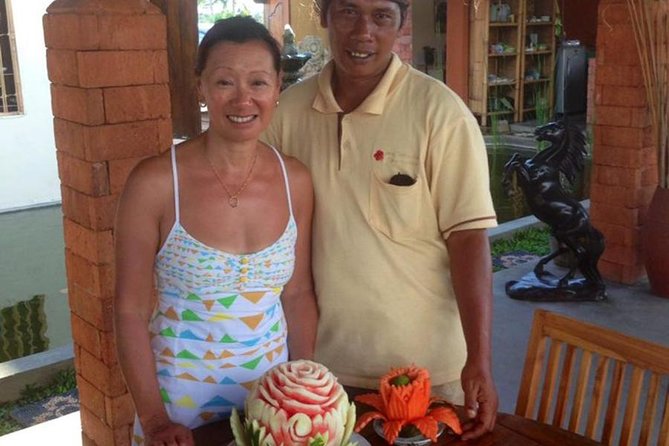
The class takes place with a view toward rice fields, which adds a calm outdoor element to the workshop. You are not simply working inside a generic room. The surrounding setting gives you something peaceful to look at while you practice.
That matters because fruit carving requires concentration. A quiet view can make the two-hour session feel less like a lesson and more like a relaxed morning activity. You still need to focus on the tool, but you are not under pressure to hurry.
A welcome drink and traditional snack are included. The snack gives the session a taste of Bali without turning the class into a full meal. Plan to eat breakfast beforehand if you need a substantial meal, since the included food is described as a snack.
The morning timing works well. At 10:00 a.m., you can take the class before a late lunch or combine it with other sightseeing in and around Ubud. Because the activity ends back at the studio, you can continue from there without returning to a hotel first, provided your next plan is nearby or you have arranged transport.
What the $39 price includes
At $39 per person, this is not the cheapest way to spend two hours in Bali. The price needs to be judged against what comes with the class.
You receive the instructor-led lesson, equipment, carving materials, a welcome drink, a traditional snack, and a certificate. You also get access to the studio setting and the small-group format. If you were to arrange a private craft lesson and buy the tools and produce separately, the convenience could make this price reasonable.
The group limit is important. A maximum of 10 people is small enough for the instructor to check your work and explain a difficult cut. It is not a private class, however, and the amount of personal attention will depend on how many people book your date.
The certificate has modest practical value, but it is a nice reminder of the activity. The real value comes from learning a skill you can repeat. The class can be especially worthwhile if you enjoy hands-on workshops and prefer to take home a new ability rather than another purchased souvenir.
You must pay for your own transport and personal expenses. Insurance is also not included. Factor those costs into the total before deciding if the class fits your budget.
Who will enjoy this class most
I would recommend this activity to families, couples, solo visitors who enjoy making things, and anyone seeking a quieter break from Ubud’s usual sightseeing. The age range of 4 to 65 makes it suitable for mixed-age groups.
It is also a good choice for people who enjoy food presentation. You are not preparing a full dish, but you are learning how decoration can change the way food looks. That skill can be useful for parties, family meals, and festive occasions.
The class may not suit you if you want a major cultural tour, a full cooking lesson, or a long visit to several sites. The activity stays at one studio for around two hours. Its appeal is focus, not variety.
It is also worth thinking about hand strength and patience. The information says most people can participate, but fruit carving still involves careful tool work. Adults should be ready to help young children, and anyone who dislikes detailed manual tasks may find the lesson demanding.
Practical booking advice for a fixed 10:00 start
Confirmation is sent within 48 hours of booking, subject to availability. Since the class is often booked about five days ahead, avoid leaving it until the last minute if the date matters to you.
The mobile ticket makes entry easier. Keep it available on your phone when you arrive at the studio. The meeting point is also the ending point, so save the location before setting out.
The cancellation terms require special care. This experience is non-refundable and cannot be changed for any reason. If you cancel or request an amendment, the amount paid will not be returned. Only book once your date, transport plan, and group size are settled.
Because the activity is limited to 10 people, confirm the booking before making a long drive to Lodtunduh. The small group is one of the class’s strengths, but it also means spaces may be limited on popular dates.
How this compares with other craft activities in Bali
Fruit carving gives you a short, focused introduction to a practical art. Wood carving and jewelry craft are also available at the studio, but they produce different kinds of souvenirs and require different kinds of attention.
With fruit carving, your finished work is temporary and edible. That can be freeing. You do not need to worry about making a permanent object that must survive the journey home. You can concentrate on learning the method and enjoying the act of making.
The class also has a clear link between decoration and food. Carved fruit can be used for dessert presentation or a special meal. You leave with a skill that can be adapted to many kinds of food, even though the class itself lasts only two hours.
If you want something to pack in your luggage, the certificate is the simplest keepsake. The more important souvenir is the knowledge of how to shape fruit into decorative forms.
Should you book the Bali Fruit Carving Class?
Book it if you want a family-friendly, small-group activity that gives you a real task to complete. The calm rice field view, included snack and drink, supplied materials, and patient practice make this a pleasant way to spend a Ubud morning.
At $39, the class offers fair value for a guided workshop with equipment, materials, refreshments, and a certificate. I would be less enthusiastic if you want a cheap drop-in activity or a full meal, since neither transport nor a substantial lunch is included.
The best reason to book is the chance to learn a skill you can use again. Just confirm your schedule first. With a strict non-refundable policy and no changes allowed, this is an activity to reserve carefully, then enjoy at an unhurried pace.
FAQ
Where does the Bali Fruit Carving Class take place?
The class takes place at WS Art Studio Balinese Handicrafts in Lodtunduh, Ubud, Gianyar Regency, Bali 80571, Indonesia.
What time does the class start?
The activity starts at 10:00 a.m.
How long does the fruit carving class last?
The class lasts approximately two hours.
How many people can join the class?
The activity has a maximum of 10 participants.
What age range is suitable for the class?
The class is listed for ages 4 to 65.
Are carving tools and materials provided?
Yes. Equipment and materials are included in the activity.
What refreshments are included?
You receive a welcome drink and a traditional snack.
Do I receive anything after completing the class?
Yes. A certificate is included.
Is transportation included?
No. Transport service is not included. You need to make your own way to the studio, and the activity ends at the same meeting point.
Can I cancel or change my booking?
No. The experience is non-refundable and cannot be changed for any reason. Confirmation is provided within 48 hours of booking, subject to availability.
Just added around Ubud
- Overnight Mount Ijen Blue Fire Trekking Tour From Bali★ 4.0 · 14 reviews
- Keliki Village Tour And Rice Field Walk Including Lunch Or Dinner★ 5.0 · 3 reviews
- Ubud Tour with all includes★ 5.0 · 3 reviews
- Jungle Buggy Adventure and Ubud Tour★ 5.0 · 6 reviews
- Exclusive Ubud Jewelry Making: Craft with a Pro Silversmith!★ 5.0 · 37 reviews
- Mount Batur Jeep Tour★ 5.0 · 30 reviews
- Jungle Swing – Volcano – Water Temple – Monkey Forest and Waterfall Tour★ 5.0 · 11 reviews
- Jatiluwih in detail (1 h. e-bike tour in the rice terraces)★ 4.0 · 5 reviews
Ubud Tours, compared.



Monkey Forest, Jungle Swing, Rice Terrace, and Water Temple
Read our review →


Uluwatu Sunset, Kecak Dance, and Dinner Jimbaran Beach
Read our review →
Tanah Lot and North Bali Tour: Scenic Journey
Read our review →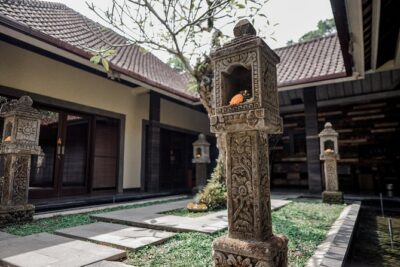
Body Massage Experience in Ubud Traditional Spa
Read our review →Browse the lists this tour appears in