
Reviewed · UBUD TOURS
Balinese Ubud cooking school (9 Dish Cooking and Market Tour)
Nine dishes, a market visit, rice paddies, and a full meal make this more than a quick kitchen lesson. You’ll work with Balinese spice pastes, banana leaves, coconut, tempe, and other ingredients that may be hard to find or handle at home. The morning version gives you the fullest cultural outing.
I like the large menu and the friendly teaching style reported from instructors including Yogi, Putu, Tata, Wayan, and Gus. I also like that you do the enjoyable cooking while the kitchen staff handle cleanup. The main catch is transport: some classes drive about 50 minutes from central Ubud, and pickup outside the Ubud area costs extra.
Key points before you book
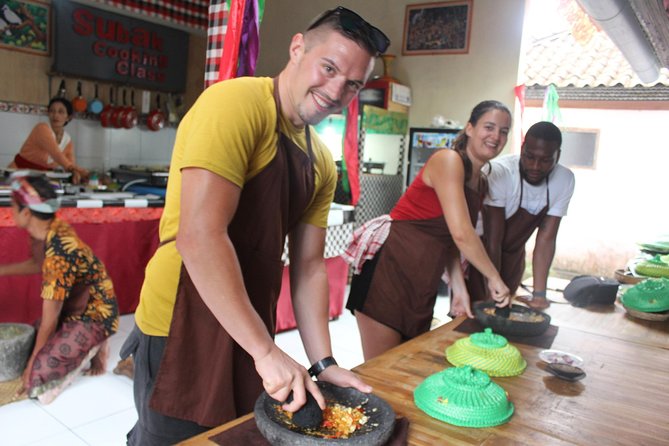
- Nine recipes in one class: Prepare dishes such as sate lilit, lawar, sambal matah, pepes, and klepon instead of stopping after two or three plates.
- Morning adds the market: See local produce, fruit, sweets, spices, and temple offerings before cooking.
- You choose your menu: Select regular or vegetarian food when booking.
- The meal is the payoff: Eat the dishes you make for lunch or dinner, with leftovers sometimes available to pack.
- Small-group format: The maximum is 14 people, with individual cooking stations reported in the class.
- Ubud transport matters: The stated meeting point is Ubud Palace, and travel from outside Ubud may bring an added charge.
Why nine Balinese dishes changes the class
Many cooking lessons give you a taste of local food and a couple of recipes. This one aims much higher. In roughly five hours, you prepare nine Balinese dishes, plus rice, then sit down to eat the results.
That number matters because Balinese cooking is built from combinations. You are not learning one isolated curry. You are working with a basic spice paste, fresh sambal, vegetable mixtures, grilled or steamed food, sweets, and several ways to use coconut and soy products.
The regular menu includes Balinese vegetable soup, fried chicken with coconut milk, sweet fried tempe, chicken sate lilit, chicken pepes, lawar, sambal matah, base gede, and klepon. The vegetarian menu replaces the chicken dishes with tofu bumbu Bali, tempe skewers with peanut sauce, and tofu pepes.
All main dishes come with white rice. That sounds simple, but rice is the steady center of a Balinese meal, allowing the sharper spices, salty sauces, coconut, and grilled flavors to work together.
The class is a good choice if you want to understand how a meal fits together. It is less suited to you if you prefer a quiet, highly polished demonstration where an instructor does most of the work. Here, you are expected to chop, mix, shape, fry, and cook with guidance.
More cooking classes in Ubud:
- Ubud Cooking Class Bali with Balinese Chef
★ 5.0 · 1,609 reviews - PRIVATE Authentic Balinese Cooking Class in Ubud at Putu’s Home
★ 5.0 · 644 reviews - Balinese Farm Cooking Class by Pemulan Bali
★ 5.0 · 410 reviews
The morning begins at a local market
Choose the morning class if you want the wider experience. The traditional market visit is not just a quick stop for photographs. Your local guide explains how people buy and sell produce and points out fruits, vegetables, spices, cakes, and other cooking ingredients.
You may also taste unfamiliar fruits and local sweets. This is useful because Balinese markets can be confusing at first. A guide helps you connect what you see at the stalls with what later appears on your cooking table.
One especially interesting detail is the chance to see flower temple offerings being assembled. Bali’s food culture is tied closely to daily religious life, and this small market-side glimpse helps explain why certain flowers, leaves, rice, and decorative foods appear everywhere.
The market is also the least controlled part of the outing. It can be crowded, noisy, and visually busy, and the pace depends on the guide and the group. Wear normal, comfortable clothing and bring your camera if you want photographs. You may also want cash, though no market purchase is listed as part of the price.
Rice paddies and a look at local life
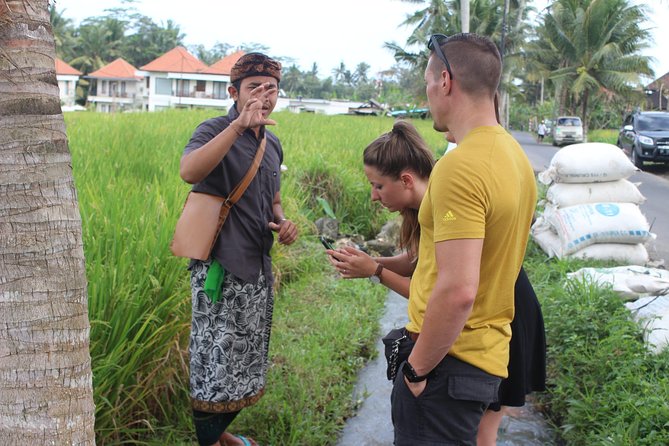
The morning program also includes a rice-paddy visit. The guide explains how rice is grown in Bali, the different kinds of rice, and how long the crop takes to reach harvest.
This stop adds useful context to the cooking class. Rice is not just something placed beside your lunch. It shapes farming, meals, ceremonies, and the daily rhythm of villages across Bali.
The setting also gives you a change of pace after the market. Some outings include a fine view toward the volcano, though exact views depend on weather and location. Treat this as a short cultural and scenic stop rather than a farm tour with a long walk.
The route may also include a visit to a local Balinese house. The cooking school is described as being set up in a Balinese home, which gives the class a more local feel than a purpose-built culinary studio. At the same time, a home kitchen can feel practical rather than luxurious. You are coming for food and contact with local life, not a glossy restaurant setting.
Afternoon class or morning class?
The two options do not offer the same schedule. The morning option includes the traditional market and rice-paddy visit. The afternoon option includes making a Balinese offering instead.
Choose the morning class if you want to see ingredients before they reach the cooking table. It is the better pick for first-time visitors who want food, farming, and market life in one outing.
Choose the afternoon class if you prefer more time focused on cooking or want the offering-making activity. The available details do not give a full afternoon itinerary, so confirm the exact timing and stops before paying if that distinction matters to you.
Both options include the cooking lesson and the food you prepare. The experience lasts about five hours, so do not schedule it too close to an evening flight, long transfer, or another fixed appointment.
More market mornings in Ubud:
- Balinese Cooking class with traditional morning market visit
★ 5.0 · 161 reviews - PRIVATE Ubud Market Tour & Balinese Cooking Class with Putu
★ 5.0 · 125 reviews - Ubud Cooking Class with Optional Market Visit Pickup Included
★ 5.0 · 70 reviews - Balinese Cooking Class with Traditional Market Tour
★ 5.0 · 66 reviews
At the kitchen table with a Balinese chef
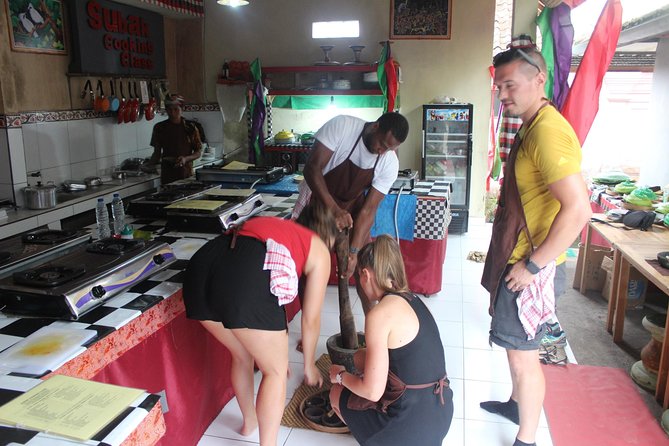
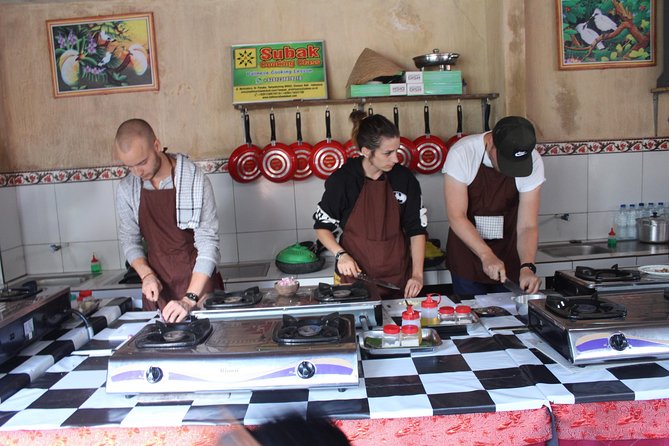
The teaching style is hands-on and social. You cook with a partner or in a small group, and the class has been described as using individual stoves or stations at one shared table. That setup lets you take part without needing to manage an entire professional kitchen.
Instructors are repeatedly praised for humor, warmth, and clear step-by-step guidance. Yogi is singled out as an engaging teacher who explains the process carefully. Putu is described as making the class fun, while guides and instructors such as Gus and Wayan add cultural explanations along the way.
You do not need prior cooking experience. The class is designed to show you the preparation from the start, and the staff help you as you work. The kitchen team also prepares some elements in advance, which is normal for a nine-dish class. It keeps the schedule possible, but it means you may not perform every single task from raw ingredient to finished plate.
That is an important expectation to set. You should get plenty of hands-on work, but this is not a full professional apprenticeship. If you want to grind every spice, butcher every chicken, and make every component entirely from scratch, ask how much preparation is done before the class.
The group maximum is 14 people. That is not a private lesson, but it is small enough for personal help when the class is well managed. Loud kitchen conversations can make it harder to hear the instructor, so stand close to the demonstration area and ask for repetition when needed.
The nine dishes on your cooking list
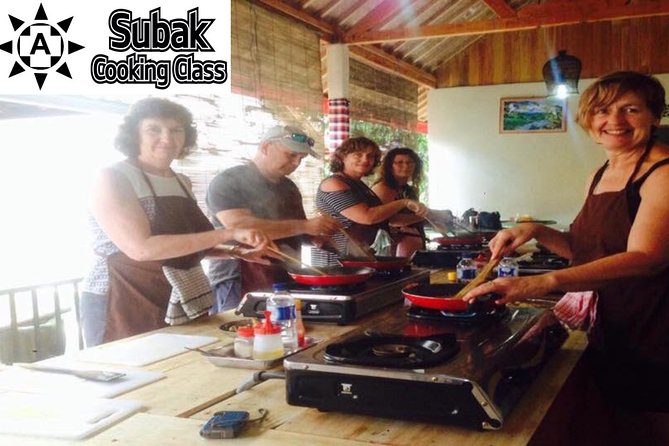
The menu gives you a broad tour of Balinese flavors.
Base gede is the foundation. This basic spice paste teaches the balance of aromatics that appears in many Balinese dishes. Learning it is one of the most useful parts of the class because you can adapt it later for meat, tofu, vegetables, or rice.
Sambal matah brings a fresh, raw element. It is mixed with coconut oil and served without the long cooking associated with many sauces. You can ask about spice levels, since one cooking class included a participant who preferred a milder version.
Lawar Bali combines vegetables with Balinese spices. It shows how a vegetable dish can be central to a meal rather than a token side.
Sate lilit is a distinctly Balinese preparation. Instead of simply threading chunks of meat onto a skewer, seasoned meat is shaped around a stick or skewer before cooking. The shaping is part of the fun and gives you a technique worth remembering.
Pepes ayam uses banana leaves for grilling or steaming. Banana leaves add aroma and create a neat parcel, but the method can be new if you cook mainly with an oven or frying pan at home.
The regular menu also includes chicken cooked with coconut milk and Balinese seasoning, along with sweet fried tempe. The vegetarian menu offers tofu with bumbu Bali and tempe skewers with peanut sauce. These substitutions give vegetarians a proper menu rather than a plate of plain vegetables.
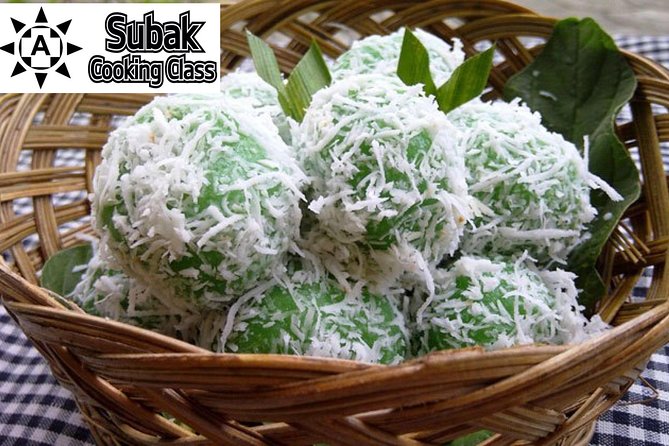
Finally, klepon gives you a dessert lesson. These boiled, round sticky-flour cakes contain palm sugar, so eating one can bring a soft texture and a burst of sweetness. It is a simple but memorable finish to a spice-heavy meal.
The result is a lot of food. Come hungry. You may be able to pack leftovers for your hotel, which is helpful because tasting nine dishes after market snacks can be a serious assignment.
What the meal is really worth at $58
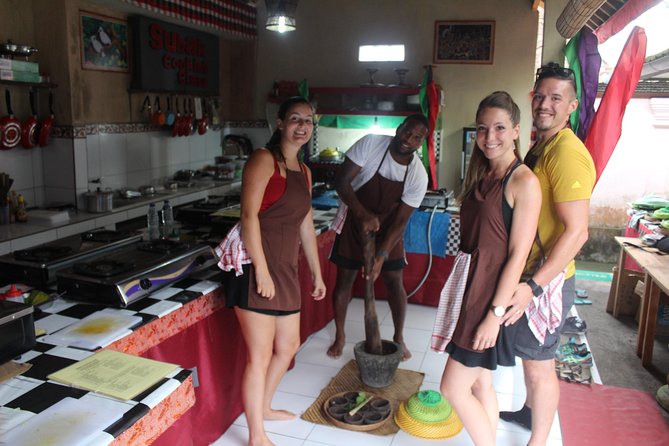
At $58, this is not the cheapest cooking lesson in Bali. The value depends on how much of the full program you use.
You are paying for about five hours, a cooking class, a guide, bottled water, food tasting, the meal, recipes to take away, kitchen equipment, and transport within the Ubud area. The morning version adds the market and rice-paddy visits, while the afternoon version adds offering-making.
If you only want to learn two Balinese dishes, a shorter class may make more sense. But if you would otherwise pay separately for a market tour, a cultural visit, and lunch, the package becomes more reasonable.
The strongest value is the variety. You leave with recipes covering soup, meat, tofu, tempe, vegetables, sambal, spice paste, and dessert. You also avoid buying cooking tools or ingredients for a one-off meal during your holiday.
The included meal is another practical benefit. You are not paying for a lesson and then buying lunch afterward. The food you make becomes the meal, and several classes have had enough left over to take back to the hotel.
Alcohol is not included. Outside-Ubud pickup brings an additional charge, so check the transfer cost before booking. The stated meeting point is Ubud Palace, although pickup is offered in the Ubud area. Confirm your exact pickup arrangement rather than assuming your hotel door is included.
What to pack and how to prepare
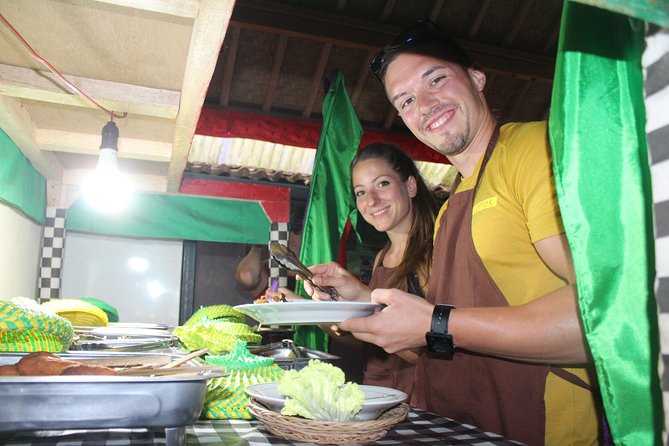
Bring your booking reservation, as the instructions specifically ask you to show it. A camera is useful for the market, rice fields, house, food preparation, and finished dishes.
Wear normal, comfortable clothing. The class involves food preparation and cooking, so you do not need formal clothes. Bring cash if you are staying outside Ubud and have agreed to pay an extra transport fee.
Choose regular or vegetarian food in advance. The vegetarian menu is substantial, but the class needs to know which version to prepare. If you need food made less spicy, ask early. The ingredients and dishes are Balinese, so some heat is part of the experience, but spice levels can be adjusted in individual portions according to one class experience.
Do not plan a heavy breakfast before the morning option. The market may include tastings, and the final meal is large.
The transport issue you should not ignore
Transport is the main practical weakness. The official meeting point is Ubud Palace, and the activity ends back there. Pickup and drop-off are offered within the Ubud area, while locations outside Ubud require an extra charge by arrangement.
The cooking school may be north of central Ubud, and one account described a drive of about 50 minutes from the pickup point. That can feel long when you expected a quick ride to a nearby kitchen. Ask where the class is located and how long the transfer should take from your hotel.
Driver quality can also affect the day. One account praised the outing but disliked the driving and an unclear toll-road cash payment. I would confirm the transport price, tolls, and pickup location before departure. Those small questions can prevent a sour note at the end of an otherwise good food day.
Who will enjoy this class most?
I would recommend it to food-focused visitors, families, couples, and friends who want to learn by doing. The broad menu works well for people who enjoy tasting many things, and the regular and vegetarian choices make it easier to include different diets.
It also suits you if you want a cultural activity that does not feel like a lecture. The market, rice paddies, local house, and offering-making option connect food to everyday Balinese life.
Families should find the variety and social format appealing, though young children may need help around hot pans and knives. The group size is limited to 14, but it is still a shared class rather than a private family booking.
I would think twice if you dislike group cooking, have difficulty standing or working at a kitchen station, or want every ingredient prepared entirely from scratch. The class is friendly and well organized, but it is designed to cover a lot in one morning or afternoon.
Should you book the Subak cooking class?
Book it if you want a full Balinese food day rather than a short recipe demonstration. The strongest reasons are the nine-dish menu, the generous meal, the practical recipes, and the chance to pair cooking with a market and rice-paddy visit.
Choose the morning option for the most complete cultural outing. Confirm the meeting point, travel time, and any outside-Ubud transport charge before booking. With that detail settled, $58 is fair value for a five-hour activity that feeds you well and gives you skills you can use after Bali.
Free cancellation is available up to 24 hours before the start time. Changes or cancellations inside that window are not accepted for a refund.
FAQ
How long does the Balinese cooking class last?
The experience lasts approximately five hours, including the tour stops and cooking session.
Where does the tour start and finish?
The listed meeting point is Ubud Palace at F7V7+72R, Jl. Raya Ubud No. 8, Ubud. The activity ends back at the meeting point.
Is pickup included?
Pickup and drop-off are included within the Ubud area. Pickup from outside Ubud requires an additional charge and should be requested in advance.
Does every class include a traditional market visit?
No. The traditional market visit is provided with the morning class only. The afternoon option includes making a Balinese offering instead.
Can I choose vegetarian food?
Yes. You can choose a regular or vegetarian menu. The vegetarian menu includes tofu, tempe, vegetables, sambal matah, base gede, klepon, and rice.
What food will I prepare?
The regular menu includes Balinese vegetable soup, chicken with coconut milk and Balinese seasoning, sweet fried tempe, chicken sate lilit, chicken pepes, lawar, sambal matah, base gede, and klepon. The vegetarian menu replaces the chicken dishes with tofu and tempe preparations.
Are recipes and lunch included?
Yes. Recipes are provided to take away, and lunch or dinner made from the cooked food is included. Bottled water, food tasting, kitchen equipment, a guide, and a local host are also included.
More Shopping in Ubud
- Bali Food Tour: Savor Street Food and Night Market Adventures
★ 5.0 · 46 reviews - Ubud Day Tour : Waterfall, Temple and Local Night Market Tour
★ 5.0 · 17 reviews - Bali Night Market Experience and Ubud Highlights tour
★ 5.0 · 16 reviews - From Ubud: Authentic Cooking Class Visit Traditional Market
★ 5.0 · 8 reviews
Just added around Ubud
- Overnight Mount Ijen Blue Fire Trekking Tour From Bali★ 4.0 · 14 reviews
- Keliki Village Tour And Rice Field Walk Including Lunch Or Dinner★ 5.0 · 3 reviews
- Ubud Tour with all includes★ 5.0 · 3 reviews
- Jungle Buggy Adventure and Ubud Tour★ 5.0 · 6 reviews
- Exclusive Ubud Jewelry Making: Craft with a Pro Silversmith!★ 5.0 · 37 reviews
- Mount Batur Jeep Tour★ 5.0 · 30 reviews
- Jungle Swing – Volcano – Water Temple – Monkey Forest and Waterfall Tour★ 5.0 · 11 reviews
- Jatiluwih in detail (1 h. e-bike tour in the rice terraces)★ 4.0 · 5 reviews
Ubud Tours, compared.



Monkey Forest, Jungle Swing, Rice Terrace, and Water Temple
Read our review →


Uluwatu Sunset, Kecak Dance, and Dinner Jimbaran Beach
Read our review →
Tanah Lot and North Bali Tour: Scenic Journey
Read our review →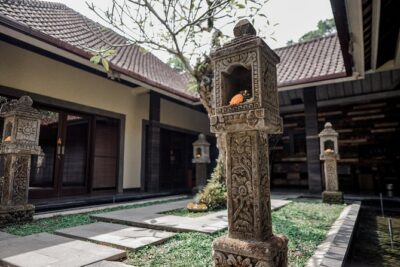
Body Massage Experience in Ubud Traditional Spa
Read our review →Browse the lists this tour appears in