
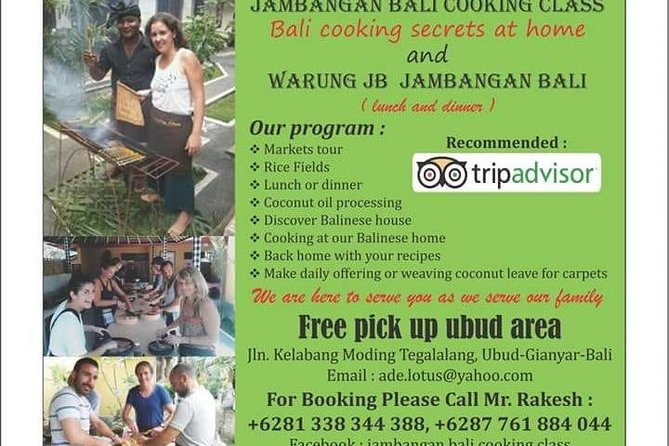
Reviewed · UBUD TOURS
Jambangan Bali Cooking Class
The most interesting part of the Jambangan Bali Cooking Class is that the kitchen is a real Balinese family home, not a restaurant classroom. You start with ingredients at a traditional market, pass rice fields, then cook and eat in a garden while learning about daily Hindu offerings and household life.
I like the market visit because it gives you a reason to ask what all those unfamiliar herbs and spices are for. I also like the family setting, where Wayan, Made, Putu, and other Balinese cooks combine recipes with music, coconut oil making, and a look at home traditions.
The main catch is timing. An evening class may not include the market because it can be closed by then. The alternative may be a coffee and tea plantation visit, but book the morning option if the market is a priority.
Key points to know before booking

- A real home kitchen: You cook in an open kitchen at a Balinese family compound, then eat what you made in the garden.
- Morning is best for the market: The early class includes shopping for fresh herbs, spices, meat, and vegetables.
- More than a food lesson: You may make a simple offering, see a household offering, process coconut oil, and play rindik bamboo music.
- A generous cooking session: You may prepare as many as eight dishes, with recipes supplied for cooking at home.
- Good value at $34: The roughly five-hour activity includes lunch and a full cultural program, not just a meal.
- Small enough to feel personal: The maximum group size is 15, though the feel can vary depending on the day’s enrollment.
Why this Ubud class feels different
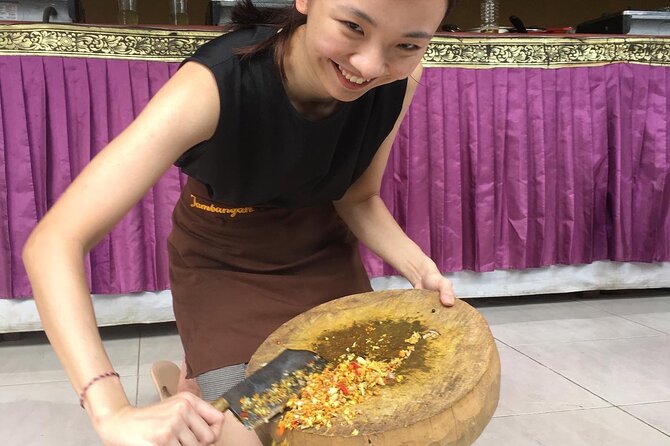
Many cooking classes teach you how to chop, stir, and eat. Jambangan adds the setting that makes those tasks meaningful. You see ingredients in the market, hear how they fit into Balinese cooking, and then use them in a family home.
That matters in Bali, where food is closely tied to family routines and Hindu practice. A simple offering is part of the lesson, not a decorative extra. You also get a glimpse of the household itself, along with traditional coconut oil processing and rindik, a bamboo instrument used for Balinese music.
The class is held in English, and the cooks are described as fluent in both the language and Balinese cuisine and culture. That makes this a useful choice if you want explanations rather than a silent demonstration. Hosts named in the experience include Wayan, Made, and Putu, though the exact instructor depends on the day.
The class also suits families. Children can take part in the hands-on cooking and music, while adults get a closer look at ordinary life around Ubud. The pace is cultural and social rather than formal. You are there to learn, but also to spend time with a local family.
More cooking classes in Ubud:
- Ubud Cooking Class Bali with Balinese Chef
★ 5.0 · 1,609 reviews - PRIVATE Authentic Balinese Cooking Class in Ubud at Putu’s Home
★ 5.0 · 644 reviews - Balinese Ubud cooking school (9 Dish Cooking and Market Tour)
★ 5.0 · 540 reviews
Start at the market, if you choose the morning class
The early session begins at a traditional market, where you help select the ingredients. This is one of the strongest parts of the outing because it shows you what Balinese cooking looks like before it reaches a plate.
You can examine fresh herbs, spices, vegetables, and cuts of meat while the cook explains their uses. That small lesson can change the way you eat in Bali. At a restaurant, you may enjoy a complex sauce without knowing what created it. At the market, you can begin to connect the aroma, texture, and appearance of an ingredient with the finished dish.
The market also gives the class a practical edge. You are not simply watching someone cook from a prepared shopping basket. The ingredients are selected as part of the day’s activity, and you get a better sense of how local cooks shop.
The market visit is not assured for the evening class. One evening group instead visited a small plantation and sampled several coffees and teas, including luwak coffee. That can be an enjoyable substitute, but it is not the same experience. If fresh produce and market life are high on your list, choose the morning class.
Rice fields add context before the cooking
After the market, the route includes a look at rice farmers doing their daily work and a visit to rice paddies. This is a short but useful link between the food on your plate and the work behind it.
Rice is not just another side dish in Bali. Seeing the paddies helps you understand why rice farming remains such a visible part of the countryside around Ubud. The experience does not promise a long walk or a detailed agricultural tour, so think of this as a brief cultural stop on the way to the house.
That brief stop helps keep the cooking class from feeling sealed off from its surroundings. You see where part of the meal begins, then go to the home where it will be prepared.
Enter a family home and an open-air kitchen
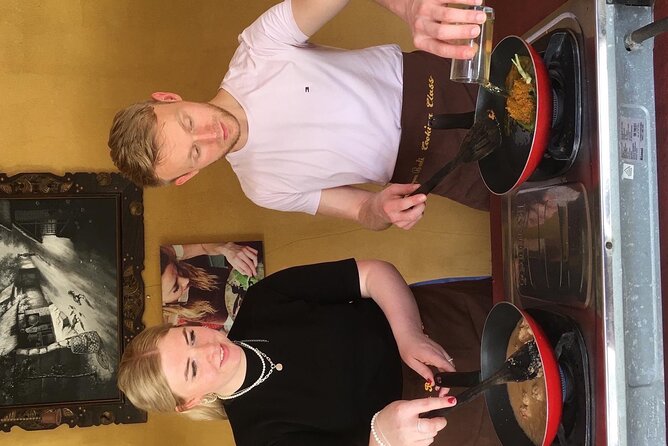
At the house, you get a look at a traditional Balinese family setting before cooking begins. The hosts explain the home and family life, then bring you to the open kitchen where the class takes place.
An open kitchen changes the mood. You are close to the action, and the cooking feels shared rather than staged. The cooks can explain each step while you work, and you can see how the household setting shapes the meal.
The cooking itself is hands-on. The recipes are made by you, with the instructor guiding the process. Several accounts describe preparing eight dishes, which is a substantial amount for a five-hour class. It also means you should expect a busy session, not a single recipe followed by a long lunch.
The exact menu is not specified in the available details, so you should not book this expecting a particular dish. The useful point is that you receive the recipes afterward, giving you a fair chance to repeat the food at home.
One especially practical feature is the attention to substitutions. A guest with a chicken allergy was accommodated, and the cook explained alternatives when certain ingredients were not available. You should still disclose dietary needs when booking, but this suggests the class can adjust some ingredients.
More hands-on workshops in Ubud:
- Ubud Silver Class Jewelry making in bali
★ 5.0 · 978 reviews - Balinese Farm Cooking Class by Pemulan Bali
★ 5.0 · 410 reviews - Balinese Authentic Cooking Class in Ubud
★ 5.0 · 239 reviews - PRIVATE Balinese Cooking Class in Ubud with Dewa with Transfers
★ 5.0 · 213 reviews
Eat lunch in the garden
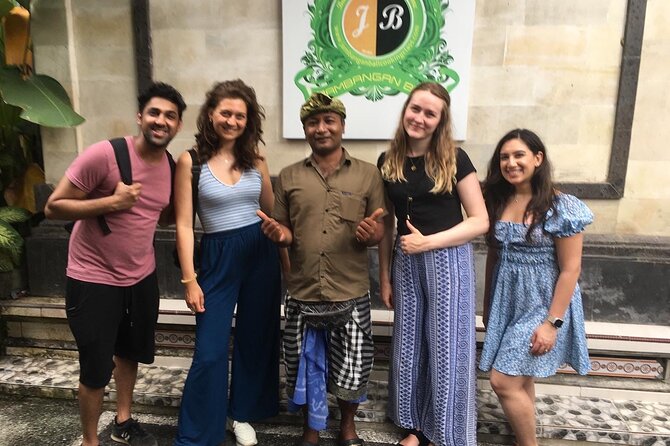
Lunch is included, and you eat the food you prepared in the garden. This is a satisfying end to the work because you can taste the results while the steps are still fresh in your mind.
The meal is not simply a fixed restaurant lunch. You have handled the ingredients, followed the preparation, and watched the dishes come together. That gives you a better sense of balance in Balinese food, including how herbs, spices, vegetables, and meat work together.
The price is $34, which makes sense when you consider the length of the activity and what is included. For about five hours, you get market or plantation time, a rice-field stop, instruction, ingredients, cultural demonstrations, the cooking session, and lunch. Alcohol is not included, though that should not matter to most people booking a daytime food class.
The value is strongest if you want several experiences in one. If you only want a quick cooking lesson, this may feel long. If you want food, family life, and cultural activities in the same outing, the price is modest for Ubud.
Make an offering and see daily Hindu practice
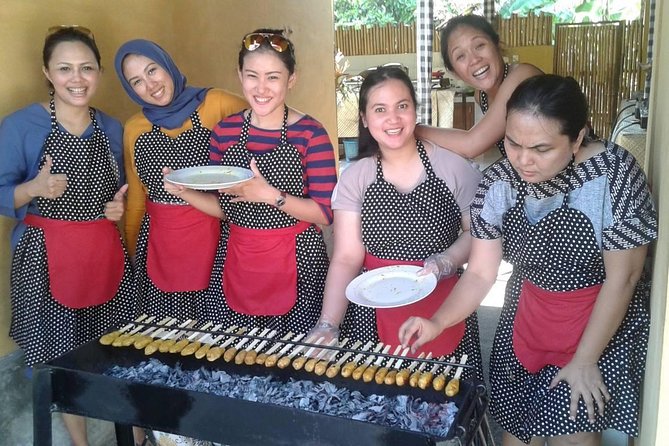
The offering lesson gives the class a cultural layer that food alone cannot provide. You learn how to make a simple offering and can witness a household’s daily offering practice.
The activity does not present this as a grand temple ceremony. That is precisely its value. You see a small part of daily religious life in a home, where offerings are woven into ordinary routines. Be respectful, follow the family’s instructions, and treat this part of the class as observation rather than entertainment.
This is also a good reason to choose Jambangan over a standard restaurant meal. A restaurant can serve excellent Balinese dishes, but it cannot show you how food, family, and household customs connect.
Try rindik and coconut oil making
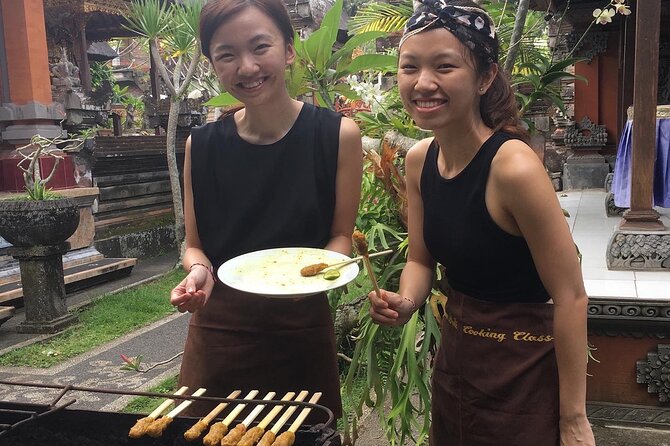
The additional activities keep the day from becoming a long stretch of kitchen work. You can see traditional coconut oil processing and play rindik, a Balinese musical instrument made from bamboo.
The music lesson is likely to be informal. One account describes a small lesson, which sounds fitting for the home setting. You do not need musical experience. The point is to try the instrument and understand that local culture includes sound and craft as well as food.
Coconut oil processing is another useful detail because it shows how a familiar household product can be made through traditional methods. The experience does not specify how long this demonstration lasts, so treat it as a short part of the broader program rather than a separate workshop.
Together, these activities give the day a pleasant variety. You cook, eat, listen, watch, and take part in simple household traditions.
Morning or afternoon: choose carefully
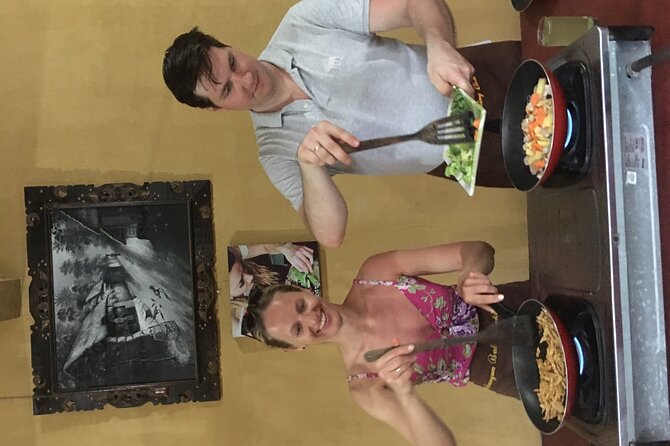
The timing choice matters more than the lunch or dinner label suggests. A morning class is the safer pick if you want the traditional market and rice-field sequence. You also get lunch after cooking, which fits naturally with the early start.
An afternoon or evening class may still include the home cooking and cultural activities, but the market may be unavailable. In that case, you might visit a coffee plantation and sample coffee and tea instead. That substitution was offered during one afternoon class, but it is not clearly promised as a standard feature, so confirm what applies to your departure time.
The tour lasts approximately five hours. That is enough time for several stops and a full meal, but you should keep the rest of your schedule flexible. This is not a quick activity to squeeze between a temple visit and a spa appointment.
Meeting point, transport, and group size
The listed meeting point is Warung JB Jambangan Bali at Jl. Kelabang Moding No. 713, Kelabang Moding, Tegallalang, Ubud, Gianyar, Bali 80571. The activity ends back at the meeting point.
The experience is near public transportation. Some bookings have included hotel pickup, but pickup is not clearly listed as a standard inclusion, so do not rely on it unless it is confirmed for your reservation. Check the meeting instructions carefully before setting out.
The maximum group size is 15 people. That is not a private class, but it is still limited enough for the instructor to guide the cooking. The home setting may feel more personal than a large commercial school, though the exact atmosphere will depend on how many people join your session.
A mobile ticket is available, which is handy if you are arranging several Ubud activities from your phone.
What makes the hosts part of the experience
The cooking is only half the reason to book. The hosts are central to the day, and the best moments come from the informal contact around the food.
Wayan is singled out for clear explanations and a good sense of humor. Made has taught classes with a cousin, and Putu has also hosted groups. You may not meet all of them, but the experience is built around Balinese cooks who can connect recipes with family customs and local life.
Several parts of the day can feel like being welcomed into a home rather than attending a polished demonstration. That is a major strength if you want a personal cultural exchange. It also means the experience may have a little less predictability than a hotel cooking school. The menu, instructor, and afternoon substitute can vary.
I would choose this class for a friendly, open attitude. You will get more from it if you ask questions, try the music, and take part in the household activities instead of focusing only on the final meal.
Who should book Jambangan Bali Cooking Class?
This is a strong match for:
- Food lovers who want to understand ingredients, not just eat finished dishes
- Families looking for a hands-on activity in Ubud
- Couples who prefer a local home to a formal cooking studio
- First-time visitors who want food combined with Balinese customs
- Cooks who want recipes they can use after returning home
- Anyone seeking good value from a half-day activity
It may be less suitable if you want a private class, a fixed menu, a short lesson, or a guaranteed evening market visit. The activity is also weather dependent. If poor weather causes cancellation, you are offered another date or a full refund.
Free cancellation is available up to 24 hours before the start time. Cancellations or changes made inside that window are not refunded or accepted, so keep your plans settled before the cutoff.
Should you book it?
I would book Jambangan Bali Cooking Class if you want your Balinese food experience to include people, place, and routine. The market, rice paddies, family home, offering lesson, coconut oil processing, rindik music, and garden lunch make it much broader than a standard recipe class.
Choose the morning session for the best chance of seeing the market. At $34, the five-hour program is particularly good value when you want several cultural stops along with lunch. Skip it only if you need a tightly scheduled, restaurant-style class with a guaranteed menu and no changes between morning and evening.
FAQ
How long does the Jambangan Bali Cooking Class last?
The activity lasts approximately five hours.
Where does the class start and end?
It starts at Warung JB Jambangan Bali, Jl. Kelabang Moding No. 713, Tegallalang, Ubud, Gianyar, Bali 80571, Indonesia. The activity ends back at the meeting point.
Is lunch included?
Yes. Lunch is included, and you eat the food prepared during the class in the garden.
Does the class include a market visit?
The morning class begins with a traditional market visit to select herbs, spices, meat, and vegetables. An evening class may not include the market because it can be closed. A plantation visit with coffee and tea samples may be offered instead.
Is the cooking class taught in English?
Yes. The classes are conducted in English by Balinese cooks who are fluent in Balinese cuisine and culture.
What is the cancellation policy?
You can cancel up to 24 hours before the start time for a full refund. Changes or cancellations made less than 24 hours before the start time are not accepted or refunded. If poor weather cancels the activity, you are offered a different date or a full refund.
Just added around Ubud
- Overnight Mount Ijen Blue Fire Trekking Tour From Bali★ 4.0 · 14 reviews
- Keliki Village Tour And Rice Field Walk Including Lunch Or Dinner★ 5.0 · 3 reviews
- Ubud Tour with all includes★ 5.0 · 3 reviews
- Jungle Buggy Adventure and Ubud Tour★ 5.0 · 6 reviews
- Exclusive Ubud Jewelry Making: Craft with a Pro Silversmith!★ 5.0 · 37 reviews
- Mount Batur Jeep Tour★ 5.0 · 30 reviews
- Jungle Swing – Volcano – Water Temple – Monkey Forest and Waterfall Tour★ 5.0 · 11 reviews
- Jatiluwih in detail (1 h. e-bike tour in the rice terraces)★ 4.0 · 5 reviews
Ubud Tours, compared.


Monkey Forest, Jungle Swing, Rice Terrace, and Water Temple
Read our review →


Uluwatu Sunset, Kecak Dance, and Dinner Jimbaran Beach
Read our review →
Tanah Lot and North Bali Tour: Scenic Journey
Read our review →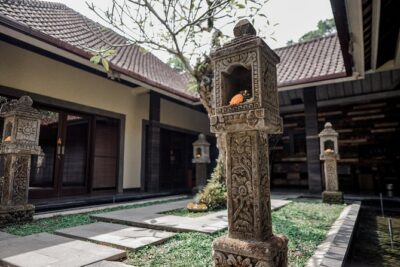
Body Massage Experience in Ubud Traditional Spa
Read our review →Browse the lists this tour appears in