
Reviewed · UBUD TOURS
Bali Ubud Paon Cooking Class
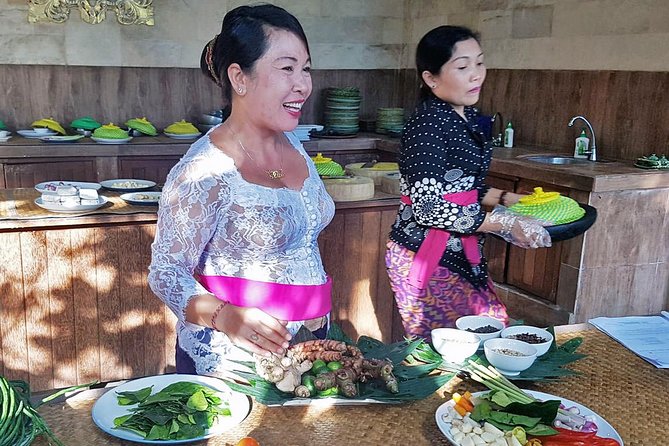
Balinese cooking makes more sense when you see the ingredients before they reach the plate. At Paon Bali, you visit an Ubud traditional market on the morning session, then travel to a Balinese home associated with Wayan’s cooking school to prepare a full meal with a professional team.
I like the hands-on format, which gives you more than a demonstration, and I like the way the class connects market produce, spices, cooking methods, and lunch at one table. The forest views and friendly instructors add plenty of charm.
The main consideration is timing. The five-hour morning class includes the market visit, while the afternoon option skips it. Hotel transfers cover the Ubud area only, and the booking is non-refundable, so choose your date carefully.
Key Points at a Glance
- Morning market visit: See local produce and spices before cooking, a useful introduction to ingredients you may not recognize.
- Cooking in a Balinese home: The class takes place at Wayan’s home, giving the meal a more personal setting than a standard restaurant kitchen.
- Several dishes in one session: Prepare food such as banana-leaf fish and minced chicken satay, then sit down for lunch.
- Small-group instruction: Groups are capped at 15 people, with support staff helping keep the cooking moving.
- Ubud hotel transfers: Pickup and return are included within the Ubud area, but out-of-area transport costs extra.
- Useful take-home extras: You receive a cooking certificate, and recipes may be sent by WhatsApp if you want them digitally.
Why This Ubud Cooking Class Works So Well
A cooking class can be a pleasant way to fill half a day, but the better ones explain why the food tastes the way it does. Paon Bali does this by linking the market to the kitchen.
You begin with ingredients in their raw form, then learn how they are cleaned, chopped, mixed, seasoned, and cooked. That connection matters. At home, you are more likely to remember what a spice does when you have seen it at the market and used it moments later.
The class runs for about five hours and includes lunch. That is long enough to prepare several dishes without feeling like a rushed demonstration, but short enough to fit comfortably into an Ubud itinerary.
The experience has a 4.9 rating from 117 reviews and a 96 percent recommendation rate. Those figures point to a consistently strong experience, especially for people who want food instruction with a social and cultural element.
More cooking classes in Ubud:
- Ubud Cooking Class Bali with Balinese Chef
★ 5.0 · 1,609 reviews - PRIVATE Authentic Balinese Cooking Class in Ubud at Putu’s Home
★ 5.0 · 644 reviews - Balinese Ubud cooking school (9 Dish Cooking and Market Tour)
★ 5.0 · 540 reviews
Start at the Ubud Traditional Market
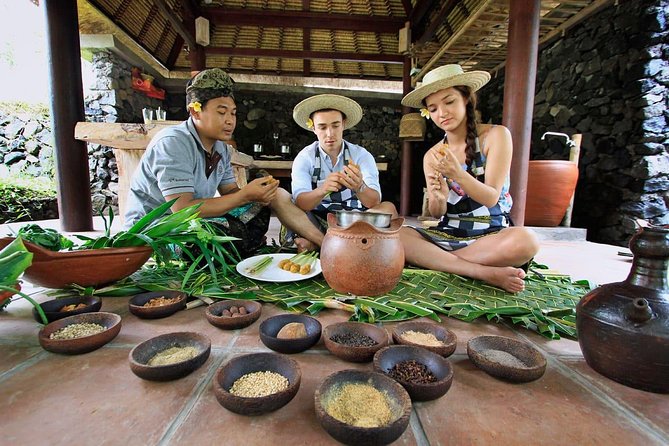
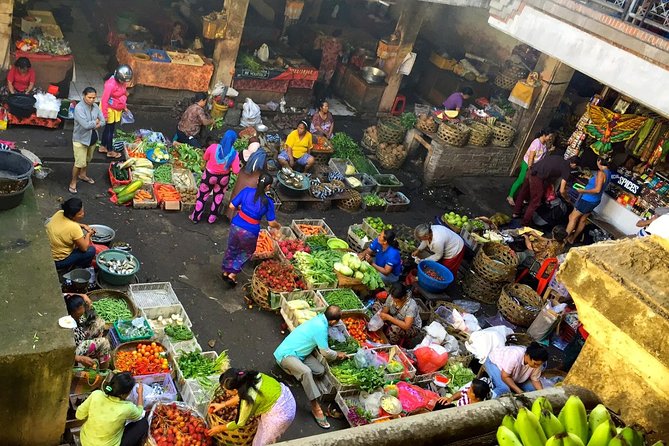
The morning session begins with a visit to Ubud Traditional Art Market. Here, the focus is not simply shopping. You get an introduction to the produce, fruit, herbs, and spices used in Indonesian cooking.
This is the most distinctive part of the morning schedule. A cooking class that begins in a classroom can teach technique, but the market gives you a better sense of the ingredients themselves. Some produce may be unfamiliar, and you may see spices that are difficult to find outside Indonesia.
A market guide explains how local ingredients are used. That can help you understand the difference between an ingredient being present in a dish and an ingredient shaping its flavor. If you enjoy food shopping, photography, or learning through place, I would choose the morning session specifically for this stop.
One practical tip is to allow your attention to wander a little. The market visit is not just a fast stop before the cooking. Look at the produce, ask about the spices, and note the ingredients you may want to buy for your own kitchen. One person used the opportunity to purchase spices that are hard to find in the United States.
The market is also where the class feels most connected to daily life in Bali. You are not only hearing about Balinese cuisine. You are seeing the setting where ingredients are bought and handled.
Continue to Paon Bali’s Home Kitchen
After the market, transportation takes you to Paon Bali Cooking Class. Afternoon participants go directly from their Ubud hotel to the cooking location and do not visit the market.
The cooking area is set up for instruction at Wayan’s home. That setting gives the class a personal quality. You are learning in a traditional Balinese house rather than in a polished cooking studio designed only for tourists.
The surroundings are part of the appeal. The cooking area has views toward the forest, and the setting gives you a pleasant break from Ubud’s roads and traffic. I would not book this class only for the scenery, but it helps turn the meal into a relaxed half-day outing.
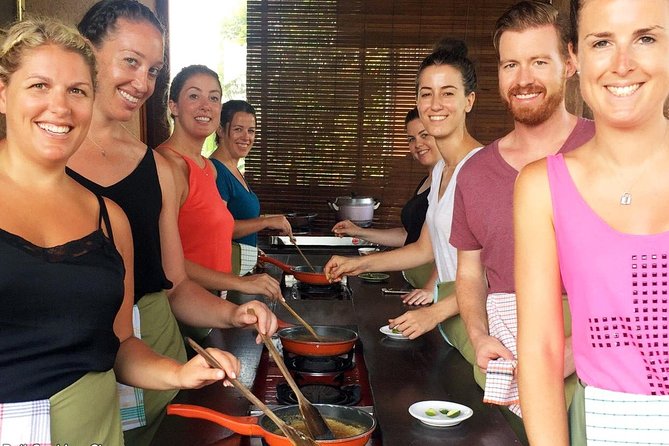
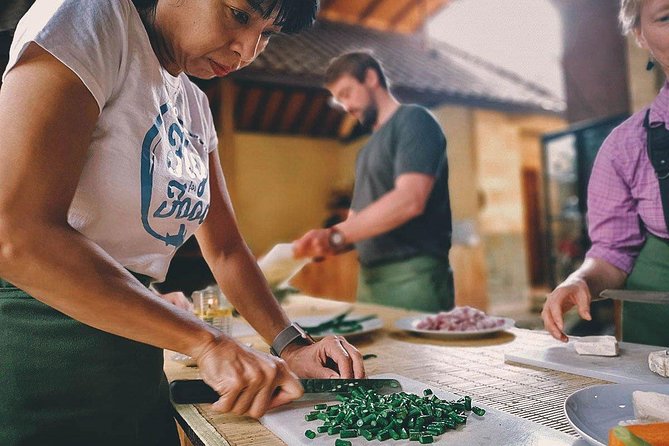
The class is organized for participation. Instructors explain the ingredients and steps, then give you a chance to help prepare the food. Support staff keep the process orderly, which is useful when several dishes are being made at once.
The maximum group size is 15 people. That is not a private lesson, but it is small enough for a shared class with room for questions and practical help. The group may include people from different countries, which adds a social side without changing the main focus on food.
Learn the Dishes, Not Just the Recipe Names
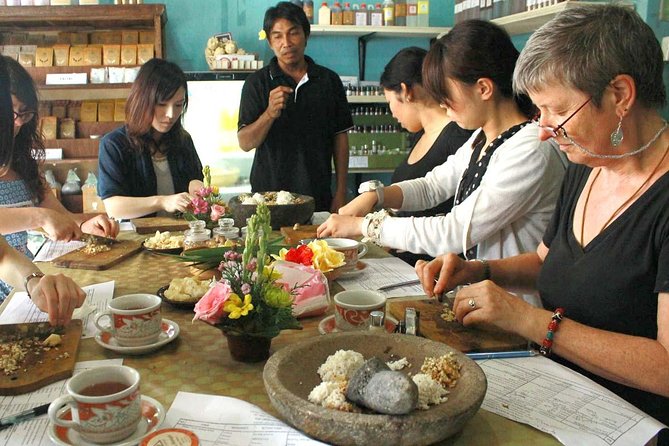
The menu includes dishes such as banana-leaf fish and minced chicken satay. These are the kinds of recipes that show off Balinese cooking methods, rather than simply offering a generic Indonesian lunch.
Banana-leaf fish lets you see how wrapping affects cooking and presentation. Minced chicken satay gives you a different lesson in seasoning, shaping, and grilling. The full menu includes multiple dishes, so the class covers more than one technique and texture.
The exact menu may depend on the class session, but the supplied details confirm that you will prepare several authentic Indonesian dishes. The goal is not to watch a chef do everything while you stand at the side. You take part in the preparation.
This makes the class a good match for home cooks. You do not need to be an expert. The instructions are designed to be easy to follow, and the staff provide help as you work. If you are a complete beginner, you can still take part. If you already cook often, you may get more from the explanations of ingredients and the chance to compare methods with other people in the group.
The class also addresses a common problem with cooking activities: recipes can sound simple until you try them. Here, the steps are explained as you work, so you can see how the process fits together. Recipes are included, and you may request them through WhatsApp, which is helpful when you return home and want to recreate lunch.
More hands-on workshops in Ubud:
- Ubud Silver Class Jewelry making in bali
★ 5.0 · 978 reviews - Balinese Farm Cooking Class by Pemulan Bali
★ 5.0 · 410 reviews - Balinese Authentic Cooking Class in Ubud
★ 5.0 · 239 reviews - PRIVATE Balinese Cooking Class in Ubud with Dewa with Transfers
★ 5.0 · 213 reviews
Sit Down for the Meal You Prepared
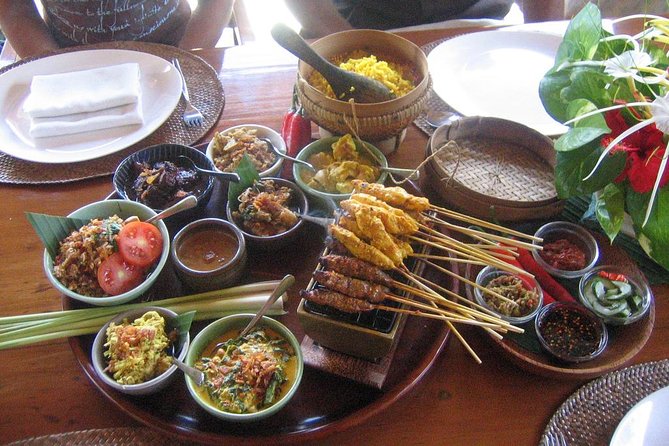
Lunch is included, and it is the reward for the work you have just done. You eat the dishes prepared during the class, which makes the meal feel more satisfying than a separate restaurant lunch.
I like this part because it closes the loop. You have seen the market ingredients, learned the preparation, and tasted the finished food. You also have a better chance of remembering the flavors because you helped create them.
The food receives the strongest praise from this class. The dishes are described as delicious, and the cooking is repeatedly valued for being authentic, clear, and easy to follow. The meal is not just an add-on to the lesson. It is one of the main reasons to choose the activity.
The shared lunch also gives you time to talk with the other people in the class. Couples, families, solo participants, and mixed groups can all take part. For many people, this social meal is as enjoyable as the cooking itself.
Transfers Make the Half-Day Easier
Pickup and drop-off are included for hotels in the Ubud area. If you are staying in Ubud, select your nearest hotel when booking, and the operator can arrange the transfer from there.
This is useful because Ubud traffic and scattered accommodations can make short journeys less simple than they look on a map. Having transport included means you do not need to arrange a separate driver for the class.
The coverage is limited. Pickup outside Ubud costs extra, so check your hotel location before paying. The experience is also near public transportation, but the included hotel transfer will generally be the more convenient option if your accommodation qualifies.
The five-hour duration includes transportation, the market visit for morning participants, instruction, cooking, and lunch. Plan to keep most of the morning or afternoon free. I would avoid placing a tight appointment immediately afterward, particularly if you are relying on the included return transfer.
Morning or Afternoon: Choose Carefully
The morning session is the better choice if you want the complete food experience. It includes the market visit, followed by the cooking class and lunch.
The afternoon session is useful if your schedule does not suit an early start. It goes directly to the cooking location, so you still receive the hands-on lesson, meal, certificate, and hotel transport within Ubud. You simply miss the traditional market.
I would choose the morning class for a first visit to Bali or for anyone especially interested in ingredients and local food culture. The afternoon class makes sense for people who prefer a slower start, have another morning activity, or mainly want the cooking itself.
Do not assume the two sessions are identical. The market is available only in the morning, and that is the clearest difference between them.
The Value of Paying $44
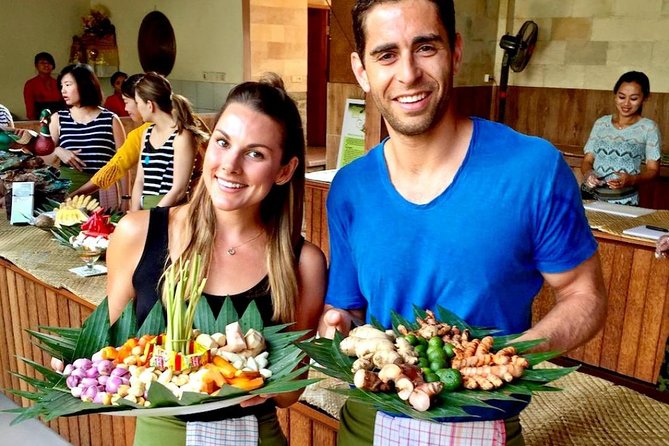
At $44 per person, this class offers more than a meal. The price includes hotel transfers within Ubud, the market visit on the morning session, cooking instruction, lunch, and a certificate.
That is good value if you would otherwise pay separately for transport, lunch, and a cultural activity. You are also paying for several hours of instruction and access to a cooking team that helps turn unfamiliar ingredients into dishes you can understand.
The value is strongest for people who will use the recipes later. If you enjoy cooking at home, the class gives you practical ideas rather than only a pleasant memory. If you dislike cooking or mainly want to eat, you may find five hours longer than necessary.
Group discounts are available, which may help families or friends keep the cost down. The group limit of 15 keeps the experience from becoming a very large workshop, though it is still a shared class rather than a private lesson.
What the Class Does Particularly Well
The staff receive especially strong praise for being warm, organized, and fun. The teaching is described as clear, with each ingredient and step explained in a way that makes participation easy.
I would also give credit to the support team. Several dishes can create confusion in a group class, but extra assistance helps the session move at a steady pace. You can take part without having to guess what you should do next.
The setting is another major strength. A traditional home with forest views gives the class a sense of place, while the market visit adds a real connection to local ingredients.
The food is the final strong point. You prepare a proper meal, not one token dish, and sit down to enjoy it together. That combination of instruction, setting, and lunch explains the high satisfaction score.
What to Consider Before Booking
The class is not refundable and cannot be changed after booking. If your plans are uncertain, this is an important drawback. Choose the date only when you are confident you can attend.
The market visit is limited to the morning session. If that stop matters to you, do not book the afternoon option by mistake.
Transport outside Ubud costs extra. The advertised hotel transfer is not a Bali-wide service, so confirm that your accommodation is within the covered area.
Finally, this is a small-group class, not a private culinary lesson. The maximum is 15 people. That creates a friendly social setting, but people seeking one-to-one instruction should keep the group format in mind.
Who Should Book This Experience?
I recommend Paon Bali most strongly to:
- Couples who want a shared activity beyond sightseeing
- Families with older children or adult children
- Home cooks interested in recreating Balinese dishes
- People visiting Bali for the first time who want a food-based cultural activity
- Solo participants who enjoy meeting people during organized activities
- Anyone who wants Ubud hotel pickup included
I would be less likely to suggest it to someone with very limited time in Ubud, someone who dislikes group activities, or anyone who wants a private chef lesson.
Should You Book Paon Bali Cooking Class?
Yes, if you want to learn as well as eat. The morning market visit, home setting, practical instruction, and included lunch make this a well-rounded Ubud activity rather than a basic cooking demonstration.
Choose the morning session for the fullest experience. Choose the afternoon only if the market is not important or your schedule demands it. At $44, the class is a sensible buy for food lovers and home cooks, provided your hotel is in Ubud and your plans are firm enough to accept the non-refundable booking rule.
FAQ
Where does the Paon Bali Cooking Class take place?
The cooking class takes place at Paon Bali Cooking Class, associated with Wayan’s home in the Ubud area.
How long does the experience last?
The class lasts approximately five hours, including the market visit for the morning session, cooking, lunch, and included Ubud transfers.
Is hotel pickup included?
Yes. Hotel pickup and drop-off are included within the Ubud area only.
Can I join if I am staying outside Ubud?
You can join, but pickup and drop-off outside Ubud require an additional charge.
Does every session include a market visit?
No. The traditional market visit is included only with the morning session. The afternoon session goes directly to the cooking class.
What food will I prepare?
The class includes dishes such as banana-leaf fish and minced chicken satay, along with other authentic Indonesian dishes.
Is lunch included?
Yes. Lunch made during the cooking class is included.
Will I receive recipes?
Recipes are included with the class. The recipes may also be sent through WhatsApp if you want a digital copy.
Is the booking refundable?
No. The experience is non-refundable and cannot be changed for any reason after booking.
Just added around Ubud
- Overnight Mount Ijen Blue Fire Trekking Tour From Bali★ 4.0 · 14 reviews
- Keliki Village Tour And Rice Field Walk Including Lunch Or Dinner★ 5.0 · 3 reviews
- Jungle Buggy Adventure and Ubud Tour★ 5.0 · 6 reviews
- Ubud Tour with all includes★ 5.0 · 3 reviews
- Exclusive Ubud Jewelry Making: Craft with a Pro Silversmith!★ 5.0 · 37 reviews
- Mount Batur Jeep Tour★ 5.0 · 30 reviews
- Jungle Swing – Volcano – Water Temple – Monkey Forest and Waterfall Tour★ 5.0 · 11 reviews
- Jatiluwih in detail (1 h. e-bike tour in the rice terraces)★ 4.0 · 5 reviews
Ubud Tours, compared.



Monkey Forest, Jungle Swing, Rice Terrace, and Water Temple
Read our review →


Uluwatu Sunset, Kecak Dance, and Dinner Jimbaran Beach
Read our review →
Tanah Lot and North Bali Tour: Scenic Journey
Read our review →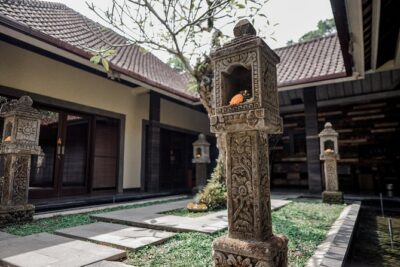
Body Massage Experience in Ubud Traditional Spa
Read our review →Browse the lists this tour appears in