
Reviewed · UBUD TOURS
From Ubud: Authentic Bali Farm Cooking School & Organic Farm
The best part of this Ubud cooking class is the setting: you cook on an 8,000-square-meter organic farm in Taro Village, then eat what you made. Morning sessions begin at a traditional market, where unfamiliar fruit, spices, and local foods turn a standard class into a useful introduction to Balinese life.
I like two things in particular. First, you pick vegetables from the garden instead of simply receiving a prepared basket. Second, the class makes a full meal of six or more dishes, including dessert, so you leave with both a good lunch and recipes you can use at home.
The main consideration is time. At roughly five and a half hours, this is a full half-day, and some of the work involves a lot of chopping onions and chilies. Also, the market visit is part of the morning experience only, so check your session before booking.
Key Points to Know Before You Book
- Morning market visit: See local produce and taste unfamiliar fruit before heading to the farm.
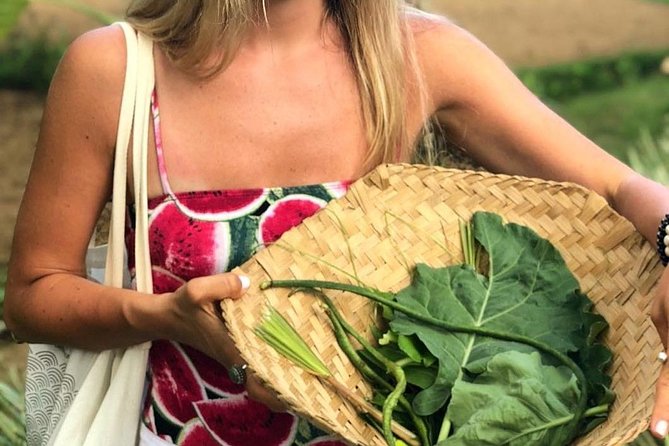
- Farm-to-table cooking: Pick fresh vegetables from the organic garden and use them in your meal.
- Six or more dishes: Prepare appetizers, main courses, and dessert, then eat the food you cook.
- Taro Village setting: The farm sits north of Ubud in a quiet rural area, surrounded by gardens and greenery.
- Useful take-home recipes: Receive a printed and PDF recipe book with substitutions, tips, and links to technique videos.
- Practical Ubud meeting point: The listed starting point is Ubud Central Parking, with a shuttle transfer available from there.
A cooking class can mean many things in Bali. Sometimes it is a polished demonstration where you watch someone else do the work. Here, the point is participation. You visit a market if you choose the morning session, collect ingredients from an organic farm, prepare the food yourself, and sit down to eat the finished meal.
That sequence gives the day a clear shape. You see the ingredients in their local setting, learn how they are grown, and then find out how they work in Balinese cooking. It is more useful than a restaurant meal if you want to understand what is on your plate.
At $38 per person, the experience also includes lunch, drinks such as coffee or tea, bottled water, an apron, utensils, transport in an air-conditioned vehicle, and the recipe book. The price is reasonable for a five-and-a-half-hour activity, especially if you value instruction and a meal rather than a quick cooking demonstration.
Starting at Ubud Central Parking
The published meeting point is Ubud Central Parking on Jalan Suweta. This matters because Ubud traffic can turn a short drive into a slow one, and the central meeting point gives you a clear place to begin.
A shuttle transfer is available from Ubud Central Parking. Some arrangements may also offer pickup from accommodation, but you should confirm that before assuming it is included. One important practical detail is that the activity ends back at the meeting point, not at the farm.
The ride takes you north of Ubud toward Taro Village. The trip is part of the change in mood: you leave the busy center and head into a more rural part of Bali. Bring water, wear clothes you do not mind cooking in, and avoid arriving after a large breakfast. You will eat a great deal during the class.
The vehicle is air-conditioned, which is welcome in Bali’s heat. One point worth checking is vehicle condition. At least one booking party found the bus less clean than expected, so do not assume the transport will have the same polished feel as a private car.
More cooking classes in Ubud:
- Ubud Cooking Class Bali with Balinese Chef
★ 5.0 · 1,609 reviews - PRIVATE Authentic Balinese Cooking Class in Ubud at Putu’s Home
★ 5.0 · 644 reviews - Balinese Ubud cooking school (9 Dish Cooking and Market Tour)
★ 5.0 · 540 reviews
The Morning Market in Bali
The market tour is available with the morning session. It is one of the strongest reasons to choose the earlier start.
You can expect to see produce, spices, fruit, and other foods used in Balinese kitchens. The value is not simply visual. Your guide explains what the ingredients are and how they are used, and you may have the chance to taste fruit you have never encountered before.
This short market stop helps you understand the food before you cook it. A pile of chilies or an unfamiliar root is less mysterious when you have already seen it sold and discussed in a local market.
The market is also the part of the program most affected by scheduling. Afternoon sessions do not include it, and a communication mix-up has caused some people to expect a market visit that was not included in their departure time. If the market is important to you, book the morning option and confirm the details before setting out.
The market can be busy and sensory, with strong smells, uneven walking surfaces, and plenty to look at. It is not a quiet food lesson. That is precisely why it adds something real, but it may not suit anyone who wants a relaxed, uninterrupted class from start to finish.
Entering the Organic Farm in Taro Village
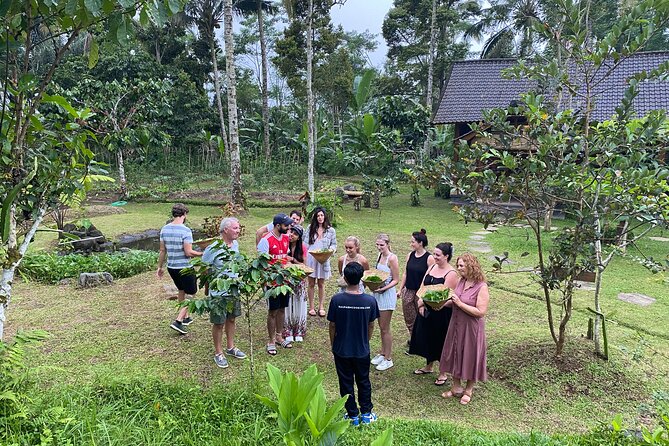
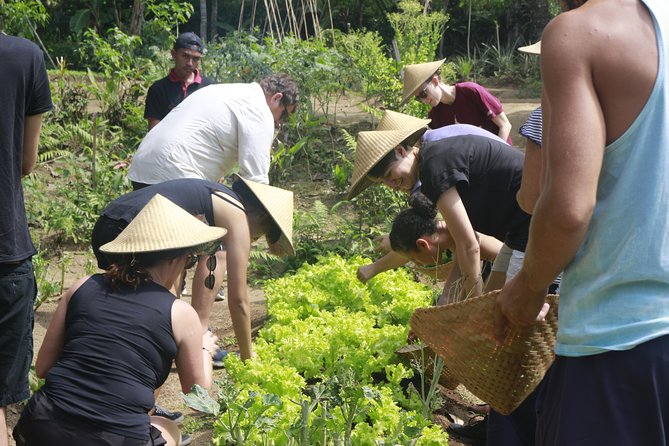
The farm is the setting that gives this class its character. The grounds cover about 8,000 square meters and include a garden where you collect ingredients for the meal.
The grounds are described as clean, well kept, and peaceful. You cook in a shady, comfortable area rather than in a cramped indoor kitchen. The contrast between the careful gardens and the hands-on cooking makes the farm feel like part of the lesson, not a decorative backdrop.
You also learn about organic growing and sustainable farming practices. The lesson is basic rather than a formal agricultural course, but it helps connect the food to the soil and the local setting.
Picking your own vegetables is a small task with a large effect. You pay more attention to the ingredients once you have found and handled them. It also gives you a better sense of how a farm-to-table meal is assembled.
The farm is described as being in the countryside and surrounded by tropical greenery. You should expect a rural setting rather than a luxury resort. That means warmth, insects, and outdoor conditions are possible, so light clothing and comfortable shoes make sense.
Preparing Six Balinese Dishes
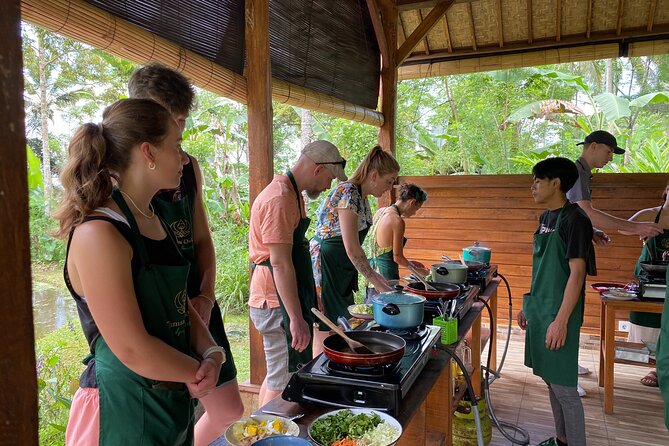
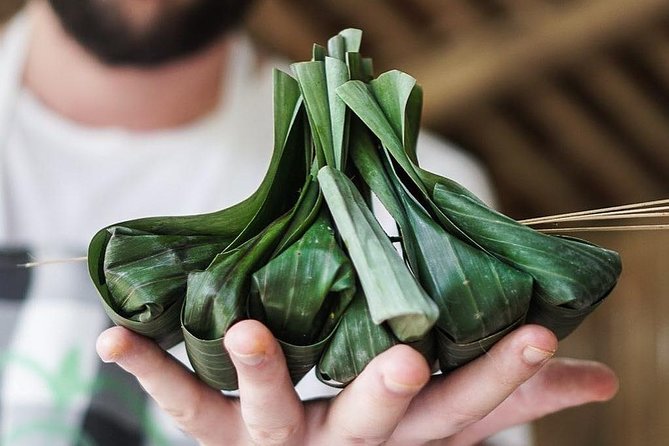
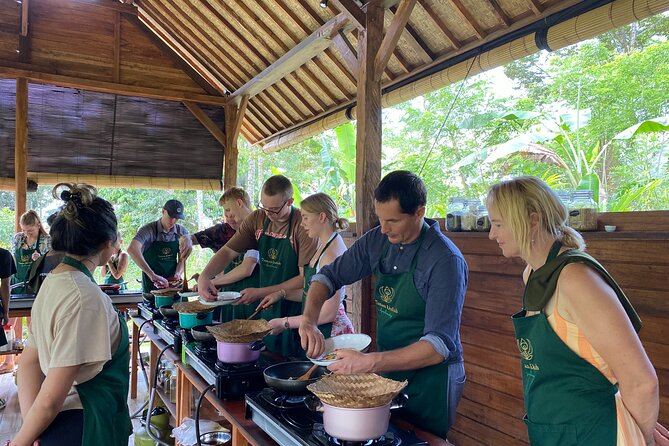
The class includes six or more dishes, with appetizers, main courses, and dessert. You do not simply prepare one signature recipe and stop. The menu gives you a broader look at Balinese cooking and lets you compare different flavors and techniques in one sitting.
The instructors lead the process step by step in English. The teaching style is friendly, patient, and humorous, with plenty of help if you are new to cooking. You should not need advanced kitchen skills to take part.
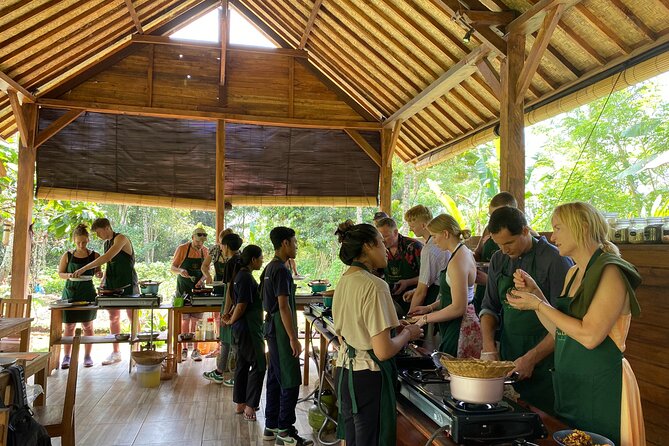
The work is divided among the group. You may chop, mix, season, or prepare other parts of the dishes. A group of up to 20 people is possible, so the amount of individual work can vary with the size of your session.
That group limit is worth considering. A larger class can be sociable and makes it easy to meet people from different countries, but it may offer less one-to-one attention than a tiny class. The instructors are reported to keep the process organized and supportive, though.
One practical criticism concerns the amount of chopping. If you enjoy knife work, this is part of the fun. If you are mainly interested in learning how Balinese ingredients are combined, repeated chopping of onions and chilies may feel like filler, especially later in the session.
The good news is that the recipes are designed for home use. The instruction focuses on methods you can repeat, not on ingredients that are impossible to find outside Bali. The recipe book includes ingredient substitutes and cooking tips, which makes it more useful than a souvenir menu.
More farm visits around Ubud:
- Balinese Farm Cooking Class by Pemulan Bali
★ 5.0 · 410 reviews - Balinese Cooking Class at Organic Farm
★ 5.0 · 51 reviews - Seaweed Farming Activity and Sightseeing at Diamond Beach
★ 4.5 · 3 reviews
Eating the Food You Cook
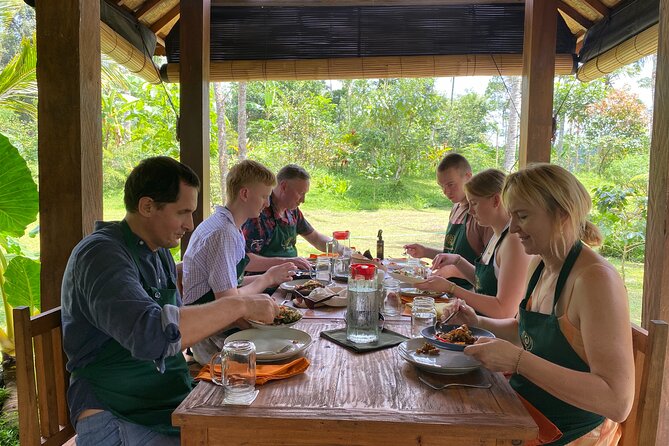
Lunch is included, and it consists of the food prepared during the class. You eat in the farm’s shady dining area, working through the dishes you have made together.
This is where the class pays off. Food usually tastes better when you have picked the vegetables, prepared the seasoning, and watched the cooking take shape. You also get to compare your results with those of the rest of the group.
The portions are substantial enough that you should arrive hungry. One of the most practical tips for this activity is to eat lightly beforehand. The class may include early refreshments, followed by appetizers, main dishes, dessert, and the meal itself.
Coffee or tea and bottled water are included. Alcohol and soda are available to buy, but they are not part of the listed price.
The recipes have received especially strong praise for being tasty and manageable. That combination matters. A class can serve an excellent meal that is too complicated to repeat, or it can teach simple dishes that feel flat. This experience aims for food that is enjoyable on the day and practical later.
What the Instructors Add
The instructors are central to the experience. They provide clear English instruction, explain the ingredients, answer questions, and keep the pace moving.
The teaching style is described as attentive and fun rather than formal. That works well for a mixed group with different levels of cooking ability. You can ask for help without feeling that you are slowing everyone down.
Dietary needs can be accommodated. One family received help with a child’s nut allergy, but you should still provide allergy information when booking and repeat it to the cooking team at the start. The supplied information does not promise that the kitchen is allergen-free, so careful communication remains important.
The staff also help create the social side of the class. You cook beside people from different countries, share tasks, and eat together. If you are traveling alone, this is a natural way to meet people without having to force conversation.
There is no list of individual instructor names provided, so you should expect to meet the farm’s cooking team rather than a named celebrity chef. The emphasis is on local instruction, hospitality, and practical skills.
How the Value Works at $38
The $38 price covers more than the cooking lesson itself. You receive transport in an air-conditioned vehicle, the market visit on morning departures, a farm tour, garden picking, cooking equipment, an apron, drinks, lunch, and recipes in printed and PDF form.
Viewed as a simple meal, the price may seem high compared with eating at a local warung. Viewed as a half-day activity with instruction and transport, it is fair. You are paying for access to a working organic farm, a guided food experience, and a meal built around your own effort.
The recipe book improves the value. It includes substitutions, tips, and links to technique videos, so you can use it after your Bali trip. A cooking class is a better purchase when it changes how you cook at home, not just how you spend one afternoon.
The maximum group size is 20. That keeps the price within reach, but it also means the experience is not a private lesson. If you want individual attention at every step, ask about group size for your date.
Who Will Enjoy This Class Most
I would recommend this activity to you if food is one of the main ways you connect with a place. It suits beginners, couples, families, solo visitors, and people who enjoy meeting others while traveling.
It is also a good choice if you want something beyond Ubud’s cafes and temples. The trip to Taro Village, the farm setting, and the market add a countryside element without requiring a separate full-day excursion.
Families can benefit from the hands-on format, though young children may find a five-and-a-half-hour class and extended chopping tiring. Tell the operator about allergies or dietary needs in advance.
You should think twice if you dislike group activities, outdoor settings, or long cooking sessions. The class is not designed for a quick lesson. It is a full food-focused outing with several stages.
The morning version is the better choice for most people because it includes the market. The afternoon version may suit you if you want a later start and care more about the farm and cooking than the market.
Booking and Cancellation Details
Confirmation is provided when you book. You can cancel for a full refund up to 24 hours before the start time. Changes or cancellations inside that 24-hour window are not accepted for a refund.
The activity depends on good weather and a minimum number of bookings. If the operator cancels for either reason, you can choose another date or experience, or receive a full refund.
Use the mobile ticket and arrive at the stated Ubud meeting point with enough time to find the shuttle. If you are told hotel pickup is available, confirm the exact pickup arrangement so you do not miss the departure.
Should You Book the Taman Dukuh Farm Cooking School?
Yes, if you want a substantial, hands-on introduction to Balinese food rather than a short cooking demonstration. The combination of morning market, organic garden, local instruction, six or more dishes, and a shared lunch gives the experience real value.
Book the morning session if you want the market, and arrive hungry. Expect a social group, some repetitive chopping, and outdoor conditions. If those trade-offs sound acceptable, this is one of the more useful food activities you can add to an Ubud visit, especially because the recipe book helps the experience continue after you return home.
FAQ
Where does the cooking class start?
The listed meeting point is Ubud Central Parking, Jalan Suweta No. 18, Ubud, Bali. The activity ends back at the same meeting point.
How long does the experience last?
The activity lasts approximately five hours and 30 minutes.
Is the market visit included in every session?
No. The traditional market visit is included with the morning experience only. Confirm your departure time when booking if the market is important to you.
How many dishes will I prepare?
You will prepare six or more Indonesian dishes, including appetizers, main courses, and dessert.
Is lunch included?
Yes. Lunch consists of the food you prepare during the class. Coffee or tea and bottled water are also included.
Are cooking equipment and an apron provided?
Yes. Cooking utensils and an apron are included, along with an air-conditioned vehicle and bottled water.
What is the cancellation policy?
You can cancel at least 24 hours before the start time for a full refund. Cancellations or changes made less than 24 hours before the experience are not refunded or accepted.
Just added around Ubud
- Overnight Mount Ijen Blue Fire Trekking Tour From Bali★ 4.0 · 14 reviews
- Keliki Village Tour And Rice Field Walk Including Lunch Or Dinner★ 5.0 · 3 reviews
- Ubud Tour with all includes★ 5.0 · 3 reviews
- Jungle Buggy Adventure and Ubud Tour★ 5.0 · 6 reviews
- Exclusive Ubud Jewelry Making: Craft with a Pro Silversmith!★ 5.0 · 37 reviews
- Mount Batur Jeep Tour★ 5.0 · 30 reviews
- Jungle Swing – Volcano – Water Temple – Monkey Forest and Waterfall Tour★ 5.0 · 11 reviews
- Jatiluwih in detail (1 h. e-bike tour in the rice terraces)★ 4.0 · 5 reviews
Ubud Tours, compared.

Monkey Forest, Jungle Swing, Rice Terrace, and Water Temple
Read our review →


Uluwatu Sunset, Kecak Dance, and Dinner Jimbaran Beach
Read our review →
Tanah Lot and North Bali Tour: Scenic Journey
Read our review →
Body Massage Experience in Ubud Traditional Spa
Read our review →Browse the lists this tour appears in